Introduction
Not long ago, a home’s electrical system existed mostly in the background, powering lights, a refrigerator, and the occasional appliance. Gas handled the heavier lifting: water heating, cooking, sometimes clothes drying. That balance is shifting quickly, and it’s shifting in one direction. Homes across Beverly Hills and the rest of Los Angeles are becoming more electrified every year, from EV charging in the garage to induction cooktops in the kitchen to heat pump water heaters replacing gas units. Electricity isn’t just running the lights anymore. It’s running the whole house.
This shift, often referred to as electrification, has real implications for homeowners, and most of them come down to one central question: does your home’s electrical infrastructure actually have the capacity to support where things are heading? As a licensed electrician Los Angeles homeowners rely on to answer exactly that question, Volta Electric has watched electrification move from a niche interest to a mainstream expectation, and we’ve seen firsthand what happens when a home’s electrical service upgrade hasn’t kept pace with the appliances and systems homeowners want to install.
What Electrification Actually Means for a Home
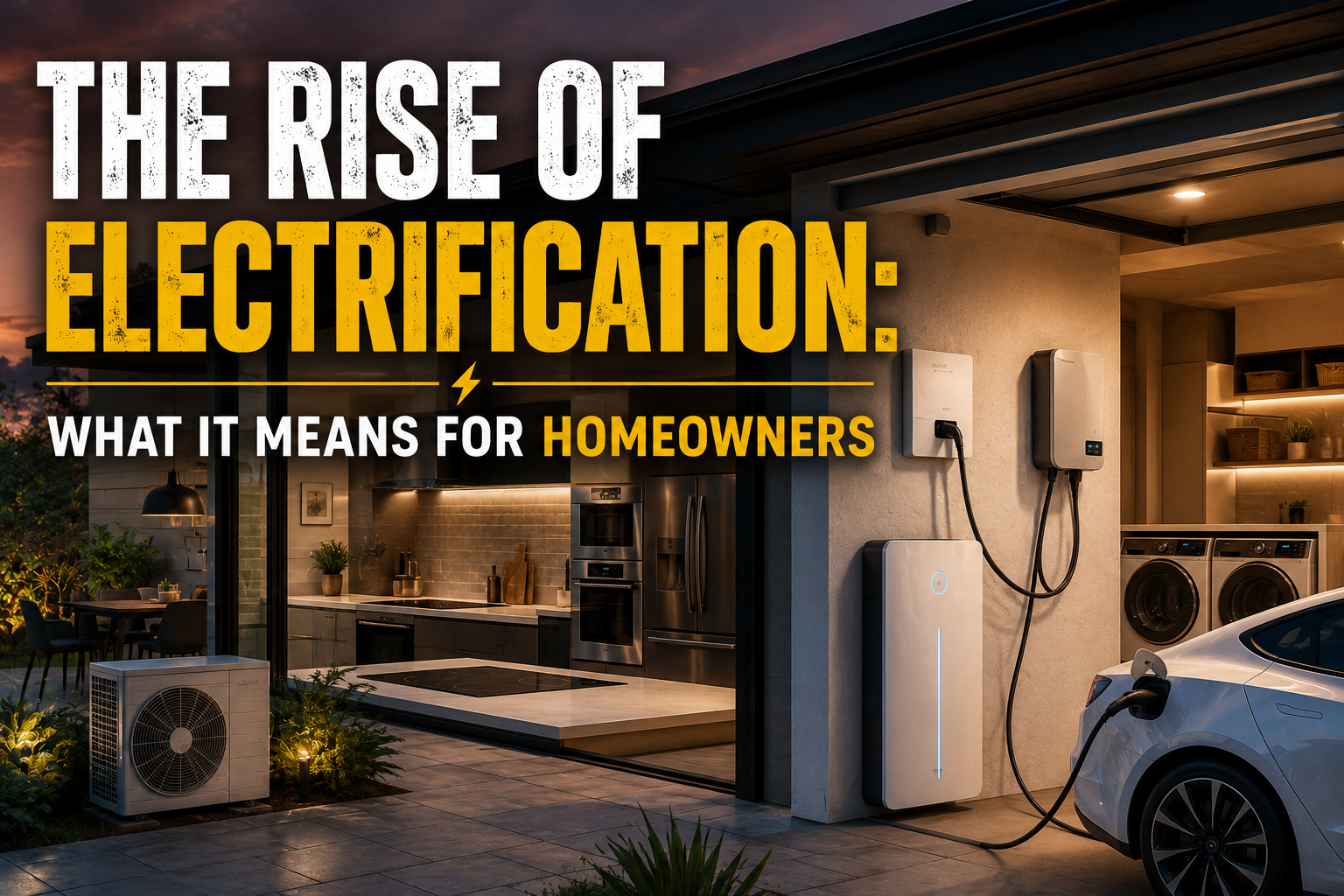
Electrification, in practical terms, means replacing gas-powered or fuel-powered systems with electric alternatives. A gas stove becomes an induction cooktop. A gas water heater becomes a heat pump water heater. A gas furnace becomes an electric heat pump for both heating and cooling. A gasoline car becomes an electric vehicle charging in the garage overnight. Individually, each of these changes seems manageable. Collectively, they represent a fundamental shift in how much electrical load a home needs to support.
Why This Shift Is Accelerating
Several forces are pushing electrification forward at the same time. Utility incentives and rebate programs increasingly favor electric appliances over gas alternatives. Building codes in California have moved steadily toward requiring or strongly encouraging electric-ready infrastructure in new construction. And homeowners themselves are increasingly drawn to electric appliances for reasons ranging from efficiency and lower long-term operating costs to environmental considerations and the improved performance of modern electric technology compared to older generations of electric appliances.
The result is that electrification isn’t a fringe trend limited to early adopters anymore. It’s becoming the default direction for how homes are built, renovated, and equipped, which means the electrical infrastructure supporting that shift needs to keep pace.
Why Older Homes Struggle to Keep Up
Most homes across Beverly Hills were built at a time when electrical demand looked completely different than it does today. A home wired decades ago for a gas-dominant household simply wasn’t designed with the kind of amperage and circuit capacity that a fully electrified home requires now.
The Panel Capacity Problem
This is where an electrical service upgrade becomes essential rather than optional. A home’s electrical service, meaning the connection between the utility grid and the home’s main panel, has a fixed capacity rating, often 100 or 150 amps in older construction. Adding an EV charger, an induction range, and an electric heat pump water heater to a home with this kind of legacy service frequently exceeds what the service can safely support, even before accounting for existing household load.
Upgrading the service itself, not just the panel inside the home, sometimes requires coordination with the utility company, particularly if the upgrade requires new equipment at the point where power enters the property. This is a more involved project than a standard panel upgrade, but it’s often the necessary foundation for a home pursuing serious electrification.
The Circuit-by-Circuit Reality
Homeowners who try to electrify piecemeal, adding one appliance at a time without a broader electrical plan, often find themselves hitting capacity walls repeatedly, each time requiring another service call to figure out where the next circuit will come from.
Planning an Electrification Strategy Instead of Reacting to It
The homeowners who navigate electrification most smoothly are the ones who plan ahead rather than reacting appliance by appliance. This doesn’t mean electrifying everything at once, but it does mean understanding the full picture before starting.
Start With a Whole-Home Load Assessment
Before adding any electrified appliance, it’s worth having a licensed electrician Los Angeles trusts calculate your home’s current electrical load and compare it against your electrification goals, even ones that are still a few years out. This kind of electrical troubleshooting and planning exercise reveals whether your existing service and panel can support your full vision, or whether an electrical panel upgrade or full-service upgrade should come first.
Sequence Upgrades Around Major Renovations
If you’re planning a kitchen remodel, that’s the ideal time to address the electrical capacity needed for an induction range, even if you’re not installing one immediately. The same logic applies to a garage renovation ahead of an EV charger, or a water heater replacement ahead of switching to a heat pump model. Addressing electrical capacity during other planned work avoids the cost of opening walls or upgrading service a second time.
Prioritize Based on Actual Usage
Not every electrification opportunity delivers equal value for every household. A family that drives frequently and covers significant mileage benefits enormously from EV charging infrastructure, while a household that rarely uses their gas range might prioritize other upgrades first. Thinking through which electrified systems actually match your lifestyle helps prioritize spending more effectively than trying to electrify everything simultaneously.
Common Problems Homeowners Encounter During Electrification
- Discovering Capacity Limits Mid-Project: One of the most frustrating scenarios we encounter is a homeowner who’s already purchased an induction range or an EV, only to discover during installation that the existing panel or service can’t support it without an upgrade. This is avoidable with upfront planning, but it remains one of the more common calls we receive, usually with some urgency attached since the appliance is already sitting in the garage or kitchen.
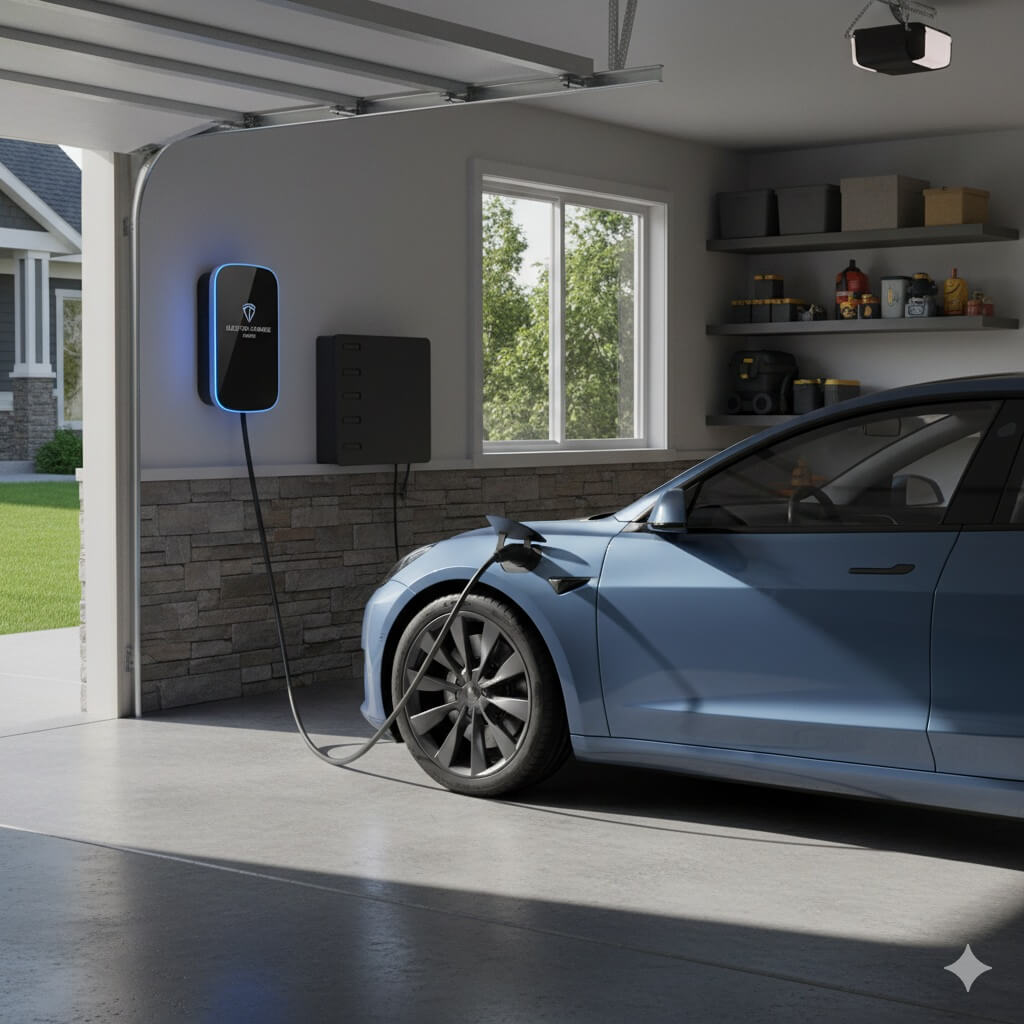
- Underestimating EV Charging Needs: Homeowners sometimes install a lower-capacity charging setup to save on upfront cost, only to find it doesn’t charge quickly enough for their actual driving patterns. Revisiting this decision later, after the initial EV charger installation, often costs more than simply sizing the circuit correctly the first time based on realistic usage.
- Overlooking the Water Heater and HVAC Connection: Electrification conversations often focus heavily on EV charging and kitchen appliances, while water heating and HVAC systems, which represent some of the largest energy loads in a home, get less attention. A heat pump water heater or a heat pump HVAC system draws considerably differently than the gas system it replaces, and factoring this into your overall electrical planning avoids surprises later.
- Assuming the Panel Alone Solves Everything: Some homeowners upgrade their panel and assume that solves any future capacity question. In reality, a panel upgrade addresses distribution capacity inside the home, but if the electrical service itself, meaning the connection from the utility, remains undersized, a panel upgrade alone won’t fully resolve the constraint. This distinction matters and is worth clarifying with your electrician before committing to a specific upgrade path.
Benefits of Getting Ahead of Electrification
Homeowners who address their electrical capacity proactively, rather than reactively, tend to see several consistent advantages. They avoid the frustration and delay of discovering a capacity problem mid-installation, since the underlying infrastructure is already in place when the appliance arrives. They often qualify for utility rebates and incentive programs that specifically support electrification-ready infrastructure, sometimes covering a meaningful portion of the upgrade cost. And they position their home more favorably for resale, since electrification readiness is increasingly something buyers actively look for, particularly in a market like Beverly Hills where buyers expect modern infrastructure as a baseline.
There’s also a resilience benefit worth mentioning. Homes that pair electrification with battery backup and energy storage systems gain genuine independence from grid disruptions, storing power for use during outages rather than depending entirely on continuous utility supply.
Cost and Investment Considerations
The cost of preparing a home for electrification varies significantly depending on the starting point. A home with adequate existing service capacity might only need targeted circuit additions for specific new appliances, a relatively modest investment. A home with undersized legacy service, common in older Beverly Hills properties, may need a full electrical service upgrade involving both the panel and the utility connection, representing a more significant investment but one that unlocks the home’s entire electrification potential at once rather than piecemeal.
EV charger installation costs depend on distance from the panel and existing capacity, while heat pump water heater and HVAC electrical requirements vary based on the specific equipment chosen. Many utility companies and local programs offer rebates specifically for electrification-related upgrades, which is worth researching before finalizing your project scope, since these incentives can meaningfully offset the overall cost.
Expert Recommendations
Get a whole-home load assessment before committing to a specific electrification timeline, even if you’re only planning one appliance change in the near term. This gives you a realistic picture of what your current infrastructure supports and what future additions will require. If you’re already planning a renovation for any reason, use that opportunity to address electrical capacity for future electrification goals, since it’s far more cost-effective to handle this work while walls are already open.
Research available rebates and incentive programs before finalizing your project, since electrification-specific incentives change periodically and can significantly affect your overall cost. And work with a residential electrician or commercial electrician who understands electrification holistically, rather than treating each appliance as an isolated project, since the connections between these systems matter more than most homeowners initially realize.
Local Relevance for Beverly Hills
Beverly Hills sits at an interesting intersection when it comes to electrification. The market includes both older luxury estates with legacy gas-dominant infrastructure and newer construction built with electrification in mind from the start. Homeowners in older properties often have the most to gain from a proactive electrical service upgrade, since the gap between their current infrastructure and a fully electrified home tends to be larger than in more recently built properties.
This dynamic plays out across the broader region as well. An electrician Westlake Village homeowners call on for hillside properties often navigates unique utility connection challenges tied to terrain. A panel upgrade Pasadena project for an older craftsman home frequently uncovers legacy service limitations, while EV charger installation Santa Monica work near the coast increasingly comes bundled with broader electrification conversations. An electrician Glendale community relies on, along with the electrician Torrance business owners depend on for commercial electrification projects, and electrical repair Long Beach work following any service disruption, all reflect the same underlying trend: electricity is doing more work in homes and businesses than it used to, and the infrastructure needs to match.
Future Trends and Industry Insights
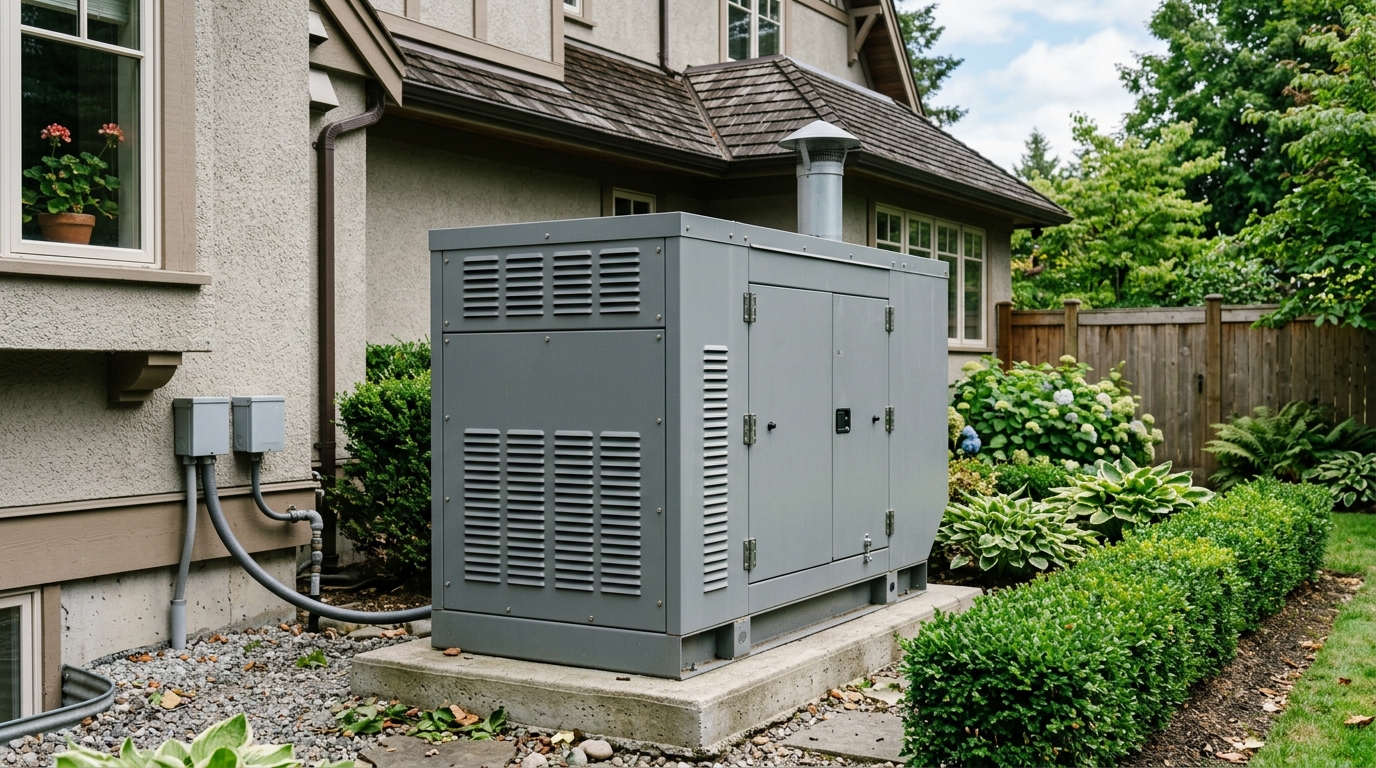
Electrification is only accelerating, and several related trends are worth watching closely. Battery backup and energy storage systems, particularly those built around lithium batteries, are becoming a natural companion to electrification, allowing homes to store solar production or off-peak utility power for use whenever it’s needed, rather than depending entirely on real-time grid supply. Solar inverters and hybrid solar inverters are increasingly designed specifically to integrate with these storage systems and with electrified home loads like EV charging.
Vehicle-to-home technology is also emerging as a meaningful extension of electrification, where an EV’s battery can supply power back into the home during an outage. This adds yet another reason to ensure your home’s service and panel capacity are planned with future flexibility in mind, not just today’s appliance list. Even outdoor and landscape electrification, through solar street lights and solar water pumps, is becoming part of the broader conversation as homeowners look to reduce dependence on fuel-based systems across every part of their property, not just inside the house.
Frequently Asked Questions
What does electrification mean for my home specifically?
It means gradually shifting appliances and systems that traditionally ran on gas, like water heating, cooking, and HVAC, over to electric alternatives, along with adding electric vehicle charging capability if you drive an EV.
Do I need an electrical service upgrade to electrify my home?
It depends on your home’s existing service capacity and how much you plan to electrify. A whole-home load assessment is the best way to determine whether your current service supports your goals or needs an upgrade first.
What’s the difference between a panel upgrade and a service upgrade?
A panel upgrade increases the distribution capacity inside your home, while a service upgrade increases the capacity of the connection between your home and the utility grid. Some electrification goals require both.
Can I electrify my home gradually, or do I need to do it all at once?
Gradual electrification is common and often makes sense financially, but it works best when guided by an upfront load assessment so each addition fits into a coherent overall plan rather than creating capacity surprises along the way.
Are there rebates available for electrification upgrades?
Many utility companies and local programs offer rebates for electrification-related work, including panel upgrades, EV charger installation, and heat pump equipment. Availability and amounts vary, so it’s worth researching current programs before finalizing your project.
Will electrification increase my electric bill significantly?
It shifts costs from gas to electric, but many electrified appliances, particularly heat pumps, operate more efficiently than the systems they replace, which can offset some or all of the shift depending on your specific usage and utility rates.
Does electrification affect home resale value?
Increasingly, yes. Buyers are placing more value on electrification-ready infrastructure, including adequate panel capacity and EV charging, particularly in markets like Beverly Hills where buyers expect modern systems already in place.
How do I know if my home’s electrical service is undersized for my electrification goals?
A licensed electrician can review your utility service rating and perform a load calculation based on your current and planned appliances to determine whether your service can support your goals or needs an upgrade.
Conclusion
Homes really are becoming more dependent on electricity than ever, and that shift is only going to continue as electrification moves from an early-adopter trend to a mainstream expectation. Whether you’re planning an EV charger, an induction range, a heat pump water heater, or simply want to understand where your home stands today, the right electrical service upgrade planned proactively saves both money and frustration compared to addressing capacity limits appliance by appliance. As a trusted electrician Los Angeles homeowners across Beverly Hills rely on for electrification planning, Volta Electric helps homes get ahead of this shift rather than scrambling to catch up with it.
Ready to Plan Your Home’s Electrification?
Volta Electric provides licensed electrical service upgrades throughout Beverly Hills and greater Los Angeles, including Santa Monica, Pasadena, Glendale, Long Beach, Torrance, and Westlake Village. From whole-home load assessments and panel upgrades to EV charger installation and full electrification planning, our team helps homeowners build the electrical infrastructure their future needs. Contact Volta Electric today to schedule your electrification consultation.