Rising electricity costs have become a major concern for homeowners across Southern California. While many people focus on behavioral changes like turning off lights or adjusting thermostats, few realize that outdated electrical infrastructure could be silently draining their wallets. Strategic electrical upgrades not only reduce monthly utility expenses but also improve safety, increase property value, and prepare your home for modern energy demands.
Understanding how your home’s electrical system impacts energy consumption is the first step toward meaningful savings. From outdated electrical panels that struggle to efficiently distribute power to aluminum wiring issues that create resistance and waste energy, older homes face unique challenges that newer electrical systems simply don’t encounter.
Understanding Your Home’s Electrical Infrastructure
Before exploring specific upgrades, homeowners need to understand the core components that regulate electricity flow throughout their property. Your electrical panel serves as the command center, distributing power from the utility company to various circuits throughout your home. When this system operates inefficiently or struggles to meet modern demands, energy waste becomes inevitable.
Many Los Angeles area homes built before 1990 still operate with 100-amp service panels, which were adequate for households with fewer electronic devices and appliances. Today’s homes demand significantly more power, with multiple computers, smart home devices, electric vehicle chargers, and energy-intensive HVAC systems running simultaneously. When electrical load capacity falls short of actual usage, the system works harder, generating excess heat and consuming more electricity than necessary.
Signs Your Electrical System Is Wasting Energy
Several warning signs indicate that outdated electrical infrastructure is costing you money every month. Frequent circuit breaker trips suggest your panel lacks sufficient capacity, forcing the system to work overtime. Flickering lights often point to voltage fluctuations caused by overloaded circuits or poor connections that create resistance and waste energy as heat.
Warm electrical outlets represent another red flag. When outlets feel warm to the touch, electrical resistance is converting usable energy into wasted heat rather than powering your devices efficiently. Similarly, if your HVAC system seems to run constantly without adequately cooling or heating your home, electrical inefficiencies may be preventing optimal performance.
Homeowners with fuse boxes should pay particular attention to energy consumption patterns. These older systems lack the precision and efficiency of modern circuit breakers, often allowing small amounts of continuous energy waste that accumulates over months and years.
The Economics of Electrical Panel Upgrades

When considering major home improvements, understanding the financial implications helps homeowners make informed decisions. The electrical panel replacement cost varies based on several factors, including current panel condition, required amperage increase, permit requirements, and accessibility of existing infrastructure.
Breaking Down Panel Upgrade Costs
The 200 amp panel upgrade cost typically ranges from $2,500 to $4,500 for most residential properties in the Los Angeles area. This investment includes the panel itself, labor, permits, and inspection fees. However, several variables can affect the final price point.
Homes requiring extensive rewiring or service line upgrades from the utility connection will see higher costs. Properties with outdated electrical panels located in difficult-to-access areas like tight crawl spaces or finished basements may incur additional labor expenses. The panel upgrade permit cost in Los Angeles County generally falls between $200 and $500, depending on the jurisdiction and scope of work.
For homeowners specifically researching panel upgrade Los Angeles costs, it’s worth noting that local building codes and California electrical codes may require additional safety features or upgrades that affect overall pricing. Working with a Los Angeles electrician familiar with regional requirements ensures compliance while avoiding costly corrections later.
Calculating Long-Term Energy Savings
While the upfront electrical panel upgrade cost may seem substantial, the long-term savings often justify the investment. Upgraded electrical systems operate more efficiently, reducing the baseline energy consumption that occurs even when you’re actively trying to conserve power.
Consider a typical scenario: A homeowner with a 60-amp fuse box frequently experiences blown fuses, requiring the HVAC system to work harder to maintain comfortable temperatures after power interruptions. After completing a fuse box to breaker box upgrade to 200-amp service, the home’s electrical system distributes power more evenly and efficiently. Monthly electricity bills decrease by 15-25% due to improved efficiency and the elimination of energy waste from overtaxed circuits.
Additionally, modern electrical panels enable the installation of energy-monitoring systems that provide real-time data on consumption patterns. This visibility empowers homeowners to identify energy-hungry appliances and make informed decisions about usage, further reducing monthly costs.
Strategic Electrical Upgrades That Cut Costs

Beyond panel replacement, several targeted electrical upgrades deliver measurable reductions in energy consumption. Each improvement addresses specific inefficiencies that compound over time, silently increasing utility expenses.
Upgrading from Fuse Boxes to Modern Circuit Breakers
The transition from a fuse box to breaker box upgrade represents one of the most impactful changes for older homes. Fuse boxes lack the sophisticated power management capabilities of modern breaker panels, which can more precisely control current flow and prevent energy waste.
Older fuse boxes often operate at lower voltages and struggle to maintain consistent power delivery across all circuits. This inconsistency forces appliances to draw more current than necessary to operate properly, similar to how a car engine consumes more fuel when running roughly. Modern breaker panels provide stable, consistent voltage that allows appliances to operate at peak efficiency.
Furthermore, breaker panel upgrades enable the installation of advanced features like whole-home surge protection and arc-fault circuit interrupters (AFCIs). These safety devices also contribute to energy efficiency by preventing the small electrical leaks and parasitic draws that occur when aging electrical components begin to deteriorate.
Addressing Aluminum Wiring Issues
Homes built between 1965 and 1973 often contain aluminum wiring, which presents both safety concerns and energy efficiency problems. Aluminum wiring issues stem from the metal’s tendency to oxidize over time, creating resistance at connection points. This resistance converts electricity into heat rather than useful work, wasting energy continuously.
Homeowners concerned about aluminum wiring should consult with a licensed electrician near me who can assess whether full replacement or remediation makes sense. While complete rewiring represents a significant investment, the energy savings combined with improved safety often justify the expense, particularly when planning other home remodeling electrical upgrades.
Alternatively, copper pigtailing—connecting short copper wire segments between aluminum wires and devices—can reduce resistance and improve efficiency at a fraction of the cost of whole-home rewiring. A qualified Pasadena electrician or panel upgrade Santa Monica specialist can evaluate which approach best suits your property’s specific situation.
Optimizing Electrical Load Capacity
Understanding and optimizing electrical load capacity prevents system strain that leads to energy waste. When your panel’s capacity closely matches your home’s actual electrical demands, the system operates within its design parameters, maximizing efficiency.
Many homeowners don’t realize that oversized electrical service can actually reduce efficiency in some scenarios, while undersized service forces the system to work harder than necessary. An old electrical panel replacement provides an opportunity to right-size your electrical service based on current and anticipated future needs.
Professional electricians perform load calculations that account for all permanent appliances, lighting circuits, and potential future additions like electric vehicle charging stations or pool equipment. This data-driven approach ensures your new panel has appropriate capacity without over-building, balancing upfront costs with operational efficiency.
Smart Home Integration and Energy Management

Modern electrical panels support smart home technologies that actively monitor and reduce energy consumption. These systems transform your electrical infrastructure from a passive distribution network into an intelligent energy management platform.
Real-Time Monitoring Systems
Advanced electrical panels can integrate with monitoring systems that track energy usage by circuit, appliance, or even individual outlet. This granular visibility reveals consumption patterns that would otherwise remain hidden, enabling targeted interventions that reduce waste.
For example, monitoring might reveal that an older refrigerator consumes three times more electricity than modern Energy Star models, making replacement financially sensible even before the appliance fails. Similarly, you might discover that leaving computers and entertainment systems in standby mode costs $15-20 monthly in phantom power draw—an issue easily remedied with smart power strips.
These monitoring capabilities become particularly valuable when paired with time-of-use electricity rates, which are increasingly common in California. By identifying which high-consumption activities occur during peak pricing periods, homeowners can shift usage to off-peak hours and dramatically reduce electricity costs without significantly changing their lifestyle.
Automated Load Management
Some modern electrical systems support automated load management, which intelligently controls when certain appliances operate based on overall household demand and electricity pricing. During periods of high consumption, the system might delay running a water heater or pool pump until demand decreases, preventing peak pricing charges and reducing strain on your electrical infrastructure.
This automation becomes particularly valuable for homes approaching their electrical load capacity limits. Rather than upgrading to larger service—which incurs significant electrical service upgrade costs—strategic load management can extract additional capacity from existing infrastructure by ensuring devices never compete for power simultaneously.
Preparing for Solar and Battery Storage
California homeowners increasingly consider solar panels and battery storage systems as long-term strategies for reducing electricity costs. However, many older electrical systems lack the capacity and compatibility required for these installations, making panel upgrades a prerequisite for renewable energy adoption.
Solar-Ready Electrical Systems
Installing solar panels requires bidirectional power flow capability, allowing your home to both draw from and feed electricity back into the grid. Outdated electrical panels typically lack this functionality, necessitating upgrades before solar installation can proceed.
The 200 amp panel upgrade cost often represents necessary groundwork for solar adoption, but it shouldn’t be viewed solely as a solar expense. Even homeowners who decide against solar panels benefit from the improved efficiency and capacity that comes with modern electrical infrastructure.
Additionally, California electrical codes require specific safety features for solar installations, including rapid shutdown capabilities and dedicated solar breaker spaces. Upgrading your panel proactively ensures these requirements are met, avoiding delays when you’re ready to add renewable energy systems.
Battery Storage Integration
Whole-home battery systems that store solar energy or capitalize on time-of-use rates require sophisticated electrical integration. These systems essentially function as mini power plants, requiring electrical panels capable of seamlessly switching between grid power, solar generation, and battery discharge.
Older panels lack the control systems necessary for this three-way power management, making electrical service upgrades essential for battery storage adoption. Forward-thinking homeowners who upgrade panels now position themselves to add battery systems later without incurring duplicate electrical work costs.
Navigating Permits and Code Compliance
Electrical work requires permits and inspections to ensure safety and code compliance. While the permitting process might seem like an administrative inconvenience, it actually protects homeowners from substandard work that could create safety hazards or energy inefficiencies.
Understanding Local Requirements
The panel upgrade permit cost varies by jurisdiction, but it ensures that work meets California electrical codes and local amendments. Los Angeles, Pasadena, Santa Monica, and surrounding communities each maintain specific requirements that licensed electricians must follow.
Attempting to bypass the permitting process creates multiple problems. Beyond obvious safety concerns, unpermitted electrical work can complicate home sales, void insurance coverage, and even lead to mandatory correction at the homeowner’s expense if discovered during routine inspections or after incidents.
Working with a licensed Los Angeles electrician who regularly navigates local permitting requirements streamlines the process and ensures compliance. These professionals understand jurisdictional quirks and maintain relationships with local building departments, often expediting approvals that might otherwise face delays.
The Safety Inspection for Panel Upgrade
After completing electrical work, inspectors verify that installations meet code requirements and operate safely. This safety inspection for panel upgrade examines connections, proper sizing of components, adequate clearances, and correct installation of safety features like ground fault circuit interrupters (GFCIs) and arc fault circuit interrupters (AFCIs).
Rather than viewing inspections as obstacles, homeowners should appreciate them as quality assurance mechanisms that protect their investment. Inspectors often catch issues that even experienced electricians occasionally overlook, preventing problems that could lead to energy waste, equipment damage, or safety hazards.
Real Homeowner Scenarios: Cost Savings in Action

Understanding abstract efficiency principles helps, but concrete examples demonstrate how electrical upgrades translate into meaningful savings for real households.
Case Study: 1950s Home in Pasadena
A family living in a 1950s Pasadena home struggled with $400+ monthly electricity bills despite modest energy usage. Their 60-amp fuse box struggled to power modern appliances, forcing the HVAC system to work overtime as frequent power disruptions interrupted efficient operation.
After consulting with a Pasadena electrician, they invested $3,800 in a complete electrical panel upgrade to 200-amp service. The new system eliminated power interruptions, allowing appliances to operate at designed efficiency levels. Within six months, their average monthly bill dropped to $280—an annual savings of $1,440. At this rate, the upgrade paid for itself in less than three years, with decades of continued savings ahead.
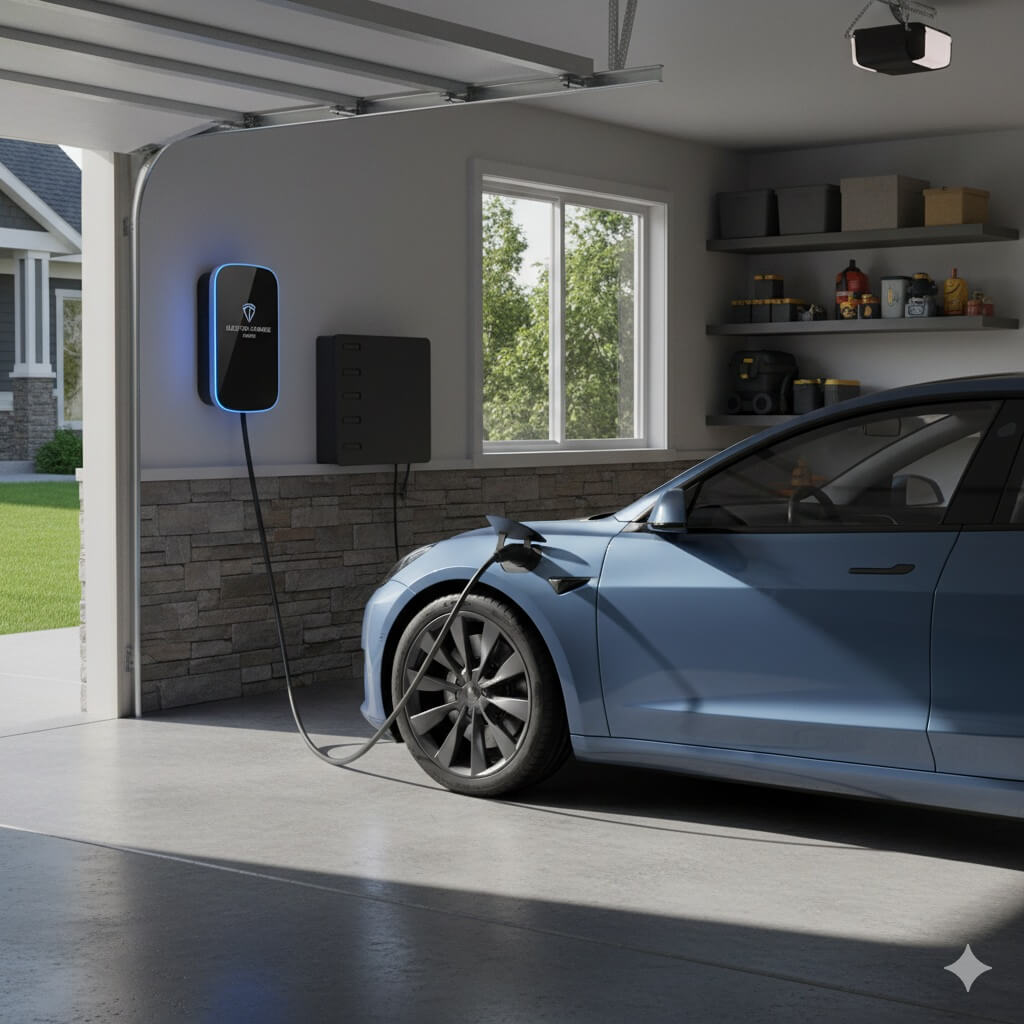
Additionally, the family could finally install a home EV charger and upgrade to a more efficient heat pump HVAC system, further reducing their carbon footprint and energy costs.
Case Study: Condo Conversion in Santa Monica
A Santa Monica condo owner faced a unique challenge: her unit’s electrical system hadn’t been updated during the building’s 1990s conversion from apartments. The outdated electrical panel struggled with modern loads, and her energy bills exceeded those of neighbors in similar units by 30-40%.
A panel upgrade Santa Monica specialist identified that her unit still operated with an old 100-amp panel using outdated breaker technology. The electrical panel replacement cost totaled $2,600, including permits and upgrades to meet current California electrical codes.
Post-upgrade monitoring revealed that the old panel had been generating significant resistance, literally heating up as it struggled to distribute power. The new panel’s efficient design eliminated this waste, reducing her monthly bills by $45-60. Beyond direct savings, the upgrade increased her property value and eliminated concerns about electrical capacity when running multiple high-draw appliances simultaneously.
Maximizing Return on Investment
Strategic planning ensures that electrical upgrades deliver maximum value relative to their cost. Rather than viewing these improvements as isolated expenses, savvy homeowners integrate them into broader home improvement strategies.
Timing Upgrades with Other Renovations
Home remodeling electrical upgrades cost significantly less when coordinated with other renovation projects. Opening walls for kitchen remodeling, for example, provides ideal opportunities to upgrade wiring, add circuits, and even relocate electrical panels if current placement is inconvenient.
This bundled approach reduces redundant labor costs, minimizes disruption, and ensures your electrical infrastructure supports both current needs and planned improvements. A licensed electrician near me can assess your renovation plans and recommend electrical upgrades that enhance both functionality and energy efficiency.
Financing and Incentive Programs
Several programs help offset the electrical service upgrade costs that might otherwise discourage homeowners from making necessary improvements. Some utility companies offer rebates for electrical upgrades that improve energy efficiency or enable renewable energy adoption.
Additionally, energy-efficient mortgages and home improvement loans often provide favorable terms for upgrades that reduce utility consumption. When evaluating whether to proceed with electrical improvements, homeowners should investigate available incentives that might reduce net costs by 10-30%.
Local electricians familiar with regional programs can often point homeowners toward relevant incentives. A knowledgeable Los Angeles electrician stays current on evolving rebate programs and can help clients navigate application processes to maximize financial benefits.
Selecting the Right Electrical Contractor
The quality of installation significantly impacts both the immediate functionality and long-term efficiency of electrical upgrades. Choosing qualified professionals ensures work meets code requirements and delivers promised energy savings.
Credentials and Experience Matter
Licensed electricians undergo extensive training and maintain current knowledge of evolving electrical codes and best practices. In California, electrical contractors must hold active licenses issued by the state Contractors State License Board, demonstrating technical competency and financial responsibility.
When evaluating contractors, homeowners should verify licensing status, ask about experience with similar projects, and request references from recent customers. Electricians specializing in residential panel upgrades understand the unique challenges older homes present and can anticipate issues that might surprise less experienced contractors.
For complex projects involving breaker panel upgrades, electrical service modifications, or integration with solar systems, working with specialists rather than general handypersons ensures optimal results. The modest premium for qualified expertise pays dividends through proper installation, code compliance, and maximized energy efficiency.
Obtaining Comprehensive Quotes
Detailed written estimates prevent surprises and enable accurate cost comparisons between contractors. Comprehensive quotes should itemize major components including the panel itself, labor, permits, inspection fees, and any necessary supplementary work like service line upgrades or meter relocation.
Be wary of quotes that seem unusually low, as they often omit necessary components or suggest that contractors might cut corners. The lowest bid rarely represents the best value, particularly for complex electrical work where quality directly impacts safety and performance.
Reputable contractors welcome questions about their quotes and can explain why specific components or approaches are necessary. This transparency helps homeowners understand what they’re purchasing and builds confidence that the investment will deliver expected benefits.
Long-Term Maintenance for Sustained Efficiency
Even properly installed electrical systems require periodic maintenance to sustain optimal efficiency. Proactive maintenance prevents small issues from evolving into costly problems while ensuring your system continues operating at peak performance.
Regular Electrical Inspections
Comprehensive electrical inspections every 3-5 years identify emerging issues before they compromise efficiency or safety. Inspections examine connection tightness, check for signs of overheating, verify proper operation of safety devices, and assess whether your electrical load capacity continues meeting household demands.
These inspections become particularly important after completing old electrical panel replacement, as they verify the new system performs as expected and catches any installation defects before warranty periods expire. Many insurance companies also offer premium discounts for homes with recent electrical inspections, potentially offsetting the inspection cost.
Monitoring for Warning Signs
Between professional inspections, homeowners should remain alert for warning signs that efficiency or safety concerns are developing. Breakers that trip more frequently than in the past might indicate increasing electrical loads that approach system capacity. Outlets or switches that feel warm suggest developing resistance that wastes energy and potentially creates fire hazards.
Modern smart electrical panels often include diagnostic features that alert homeowners to unusual patterns, such as circuits drawing excessive current or imbalanced loads across phases. Responding promptly to these warnings prevents minor issues from escalating into major problems requiring expensive corrections.
The Environmental Impact of Electrical Efficiency
Beyond financial savings, electrical upgrades contribute to environmental sustainability by reducing overall energy consumption. In California, where electricity generation increasingly relies on renewable sources, reducing demand helps stabilize the grid and decreases the need for fossil fuel backup generation during peak periods.
Reducing Your Carbon Footprint
Energy waste from inefficient electrical systems translates directly into unnecessary carbon emissions. When outdated electrical panels force appliances to draw excess current, power plants must generate additional electricity to compensate for this waste. By upgrading to efficient modern systems, homeowners reduce their carbon footprint without changing their lifestyle or sacrificing comfort.
The cumulative impact of widespread electrical efficiency improvements is substantial. If every home in Los Angeles County with outdated electrical panels upgraded to modern systems, the reduced electricity demand would equal taking tens of thousands of vehicles off the road in terms of carbon impact.
Supporting Grid Stability
California’s electrical grid faces increasing strain from climate change, growing population, and the transition to renewable energy sources. Efficient home electrical systems help stabilize the grid by reducing peak demand and minimizing the voltage fluctuations that occur when overloaded residential systems draw erratic current.
Homes with modern electrical panels and smart load management capabilities can even participate in demand response programs, where utilities offer incentives for temporarily reducing consumption during grid stress periods. These programs provide additional savings while contributing to community resilience and grid reliability.
Making the Decision: Is an Electrical Upgrade Right for You?

Determining whether electrical upgrades make sense for your specific situation requires evaluating multiple factors including your home’s current system, energy consumption patterns, future plans, and financial considerations.
Assessing Your Current System
Homeowners uncertain about their electrical system’s condition should schedule a professional assessment with a qualified electrician. This evaluation examines panel age and capacity, wiring condition, compliance with current codes, and adequacy for your household’s electrical demands.
Signs that strongly indicate upgrade necessity include fuse boxes, aluminum wiring, panels with less than 100-amp capacity, or any system installed before 1980. These older installations not only waste energy but also present safety concerns that justify prompt attention regardless of energy savings considerations.
Planning for the Future
Even if your current electrical system adequately handles present loads, considering future needs helps avoid multiple upgrade cycles. If you’re contemplating major appliance replacements, home additions, electric vehicle purchases, or solar panel installation within the next 5-10 years, upgrading your panel now provides capacity for these additions without requiring subsequent electrical service upgrades.
This forward-thinking approach minimizes long-term costs and disruption while positioning your home for modern amenities that improve comfort and continue reducing energy expenses.
Reducing your home’s electricity bill through strategic electrical upgrades represents a sound investment that delivers financial returns, improves safety, and prepares your property for future energy technologies. While the upfront costs require careful consideration, the combination of immediate efficiency gains, long-term savings, and increased property value makes these improvements financially compelling for most homeowners with older electrical infrastructure.
Starting with a professional assessment of your current system provides clarity about which upgrades offer the greatest return on investment for your specific situation. Whether you need a complete panel replacement or targeted improvements like transitioning from a fuse box to modern circuit breakers, qualified electrical professionals can design solutions that match your needs and budget.
For reliable electrical services backed by licensed experts, contact Volta Electric Inc.