Introduction
Every hour a commercial building loses power, or even a single critical circuit, translates directly into lost revenue, disrupted operations, and in some cases, damaged equipment or spoiled inventory. Small investments today can prevent major disruptions tomorrow, and nowhere is that more true than in commercial electrical systems, where a routine maintenance visit costing a few hundred dollars can prevent a failure that costs a business ten’s of thousands in lost productivity, emergency repair fees, and reputational damage with tenants or customers.
Los Angeles commercial property owners and facility managers operate buildings ranging from decades-old retail centers to newer mixed-use developments, and every one of them depends on electrical infrastructure that degrades gradually, often invisibly, until a failure forces the issue at the worst possible moment. A relationship with an experienced commercial electrician built around proactive maintenance, rather than reactive emergency calls, is one of the more reliable ways to protect a property’s operational continuity and its bottom line.
Why Commercial Electrical Systems Fail More Often Than Owners Expect
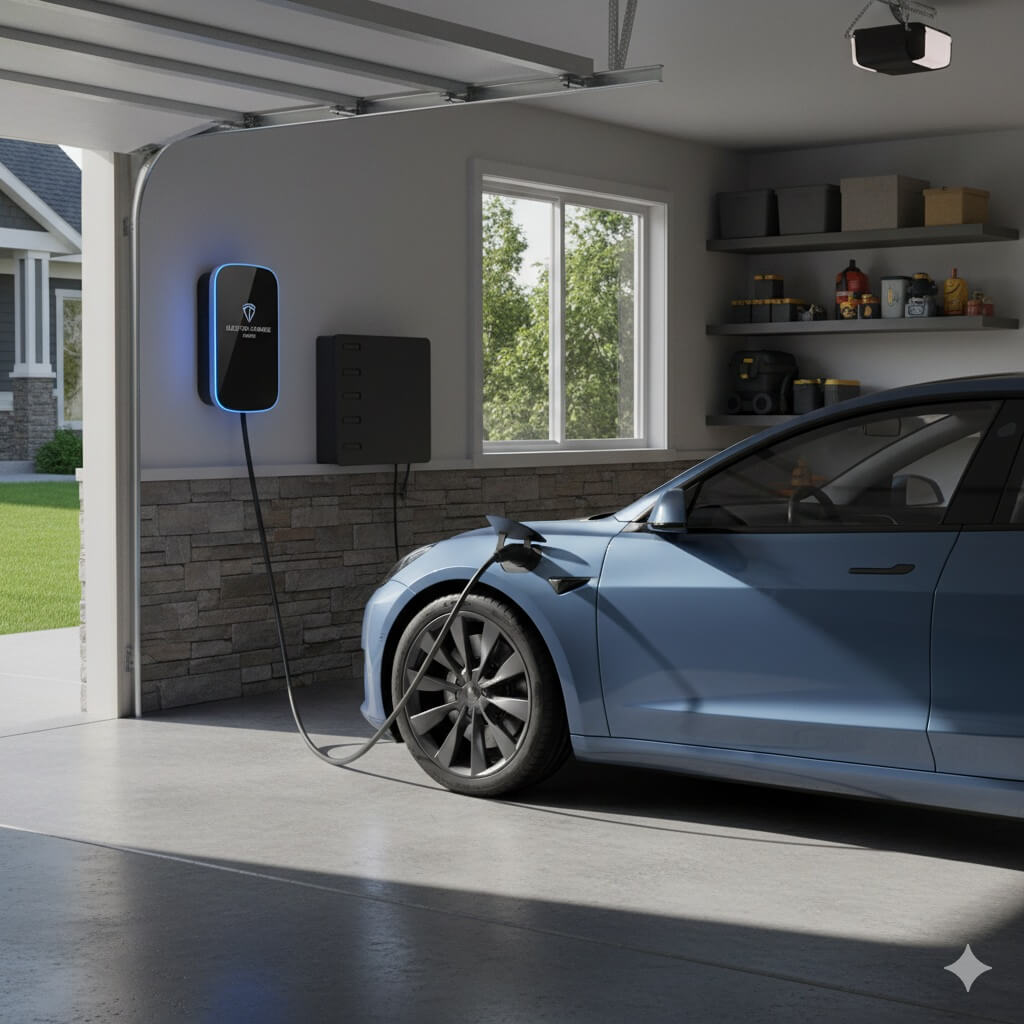
Commercial electrical systems carry substantially higher loads than residential systems, running continuously across HVAC, lighting, refrigeration, elevators, security systems, and increasingly, EV charger installation for tenant and customer parking. This constant demand accelerates wear on components that might last decades in a lighter residential application but face a much shorter effective lifespan under sustained commercial load.
Many commercial buildings in Los Angeles were also constructed or last significantly updated decades ago, meaning their electrical infrastructure predates modern load profiles entirely. A retail center built to serve tenants with modest lighting and HVAC needs in the 1980s is now being asked to support point-of-sale systems, digital signage, server closets, and far more sophisticated environmental controls, often without the electrical system ever having been comprehensively reassessed for these accumulated additions.
Deferred maintenance compounds both of these factors. Electrical components rarely fail without warning; they typically show measurable signs of degradation, including rising resistance at connections, increasing temperatures under load, and gradually declining insulation integrity, well before an actual failure occurs. Without regular inspection, these warning signs go unnoticed until the failure itself forces an emergency response.
The True Cost of Unplanned Electrical Downtime
Direct Revenue Loss
For retail tenants, restaurants, and service businesses, an unplanned power outage translates immediately into lost sales, and for some businesses, into inventory loss as well, particularly restaurants and any tenant relying on refrigeration. A commercial property owner may not directly absorb every dollar of that lost revenue, but tenant relationships, lease renewals, and a property’s overall reputation among prospective tenants all suffer when electrical reliability becomes a recurring concern.
Emergency Repair Premiums
An emergency electrician called to address a failure during business hours, especially outside standard scheduling windows, commands a premium compared to the same work planned and scheduled through routine maintenance. Emergency electrical repair services also frequently involve more extensive troubleshooting time, since the failure point is being identified reactively under time pressure rather than through a systematic inspection that already has visibility into the system’s condition.
Equipment and Data Loss
Server rooms, point-of-sale systems, security and access control infrastructure, and specialized equipment used in medical, laboratory, or manufacturing tenant spaces are all vulnerable to damage from power interruptions, surges, or the electrical instability that often precedes a full outage. The cost of replacing or recovering this equipment, and any associated data, frequently exceeds the direct cost of the electrical repair itself many times over.
Tenant and Customer Trust
Commercial property owners depend on tenant satisfaction and lease renewals, and a building with a reputation for electrical unreliability becomes a harder property to lease and retain tenants in over time. Word travels quickly among commercial tenants about which buildings experience recurring issues, and this reputational cost, while harder to quantify than a repair invoice, often represents the largest long-term financial impact of chronic electrical problems.
Core Elements of an Effective Commercial Electrical Maintenance Program
Panel and Switchgear Inspection
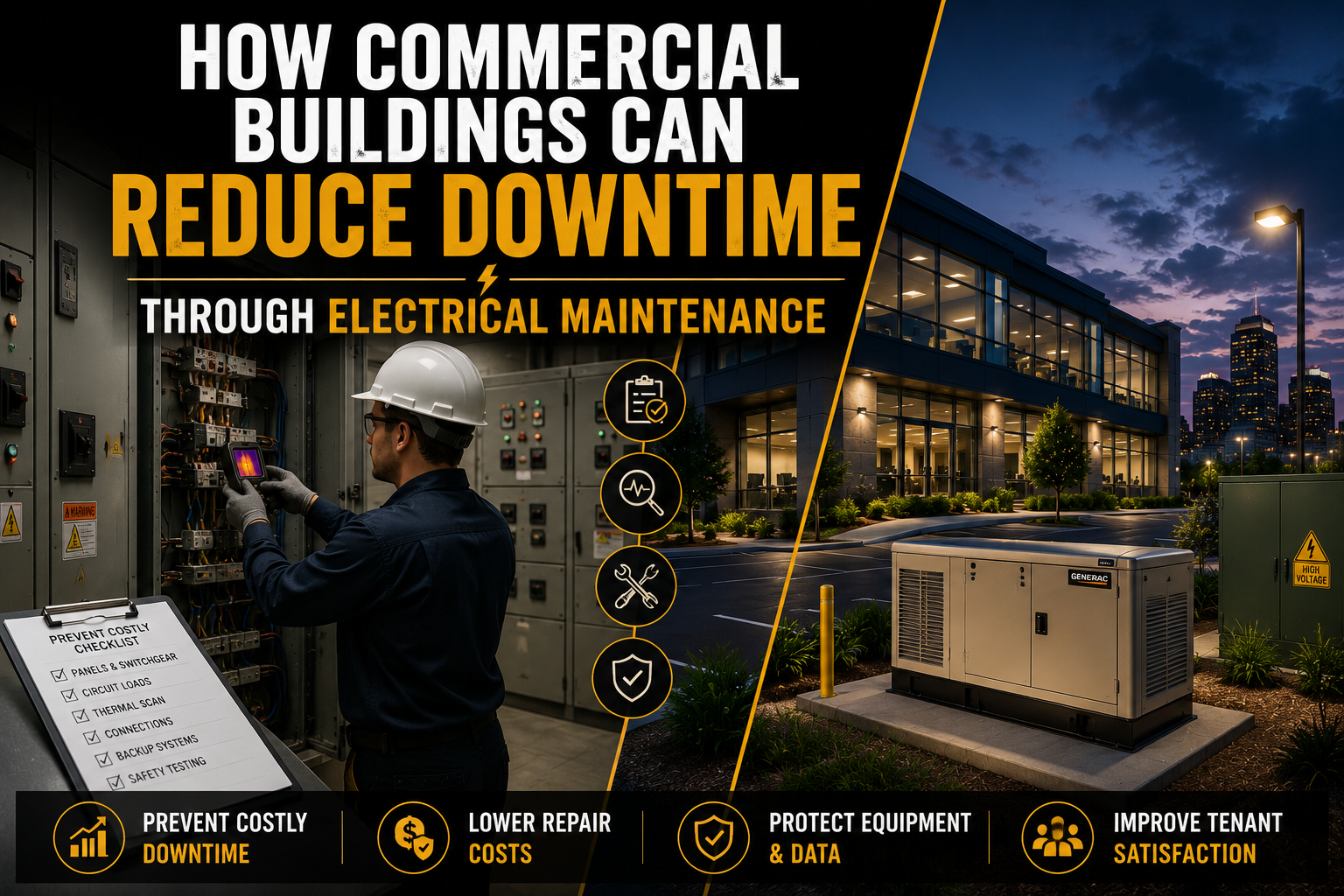
Commercial electrical panels and switchgear operate under continuous load and benefit from regular thermal imaging inspection, which identifies hot spots at connections long before they progress to failure. A commercial electrician performing this kind of electrical troubleshooting proactively can often identify a loose connection or degrading component months or years before it would otherwise cause an outage, allowing for a planned correction rather than an emergency response.
Circuit Load Assessment
As tenant spaces change over time, adding equipment, expanding operations, or shifting usage patterns, the load on individual circuits often drifts away from what the system was originally designed to handle. Periodic load assessment identifies circuits approaching their safe capacity before they become a recurring nuisance trip or, in a worse scenario, a fire risk. This is particularly relevant in mixed-use buildings where tenant improvements happen frequently without always being coordinated with a comprehensive electrical review.
Generator and Backup Power Testing
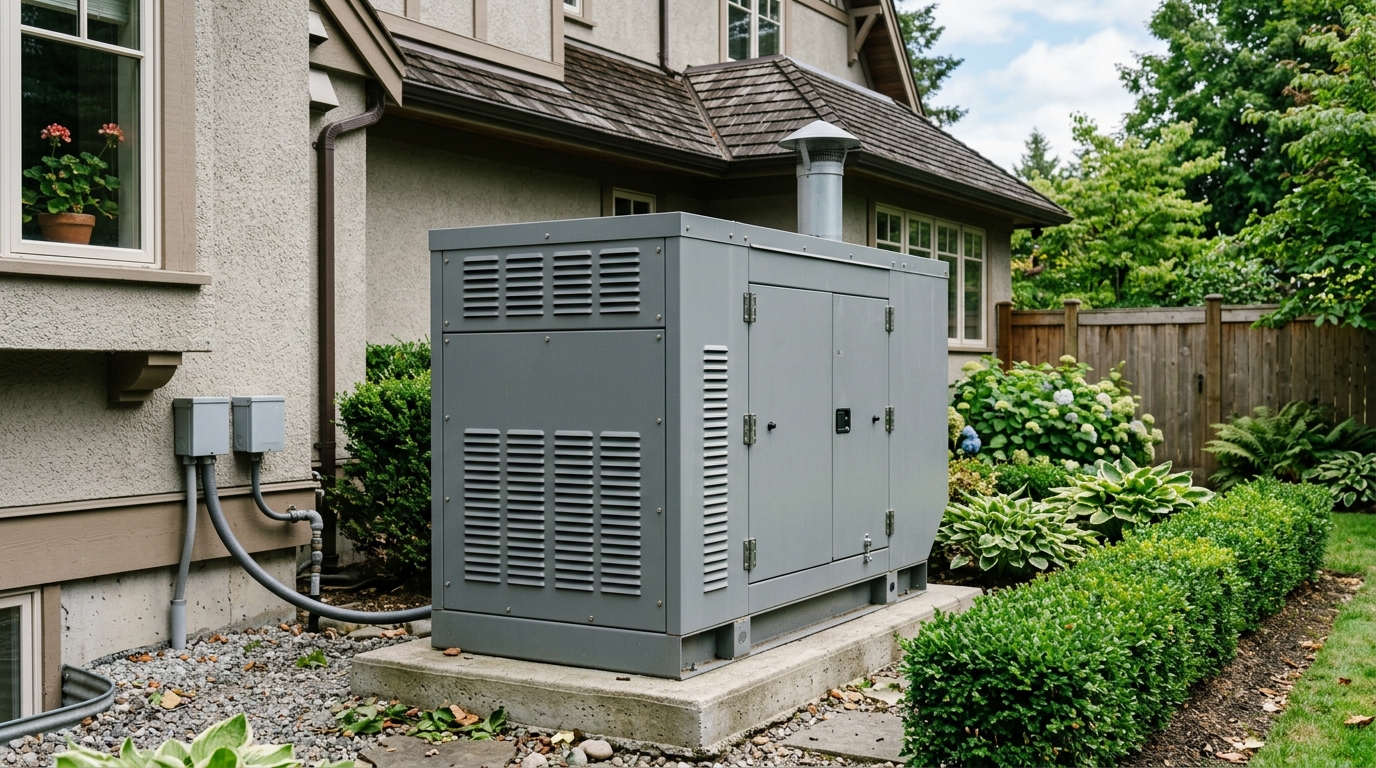
Commercial properties relying on generator installation for life-safety systems, elevators, or critical tenant operations need regular load-testing of that backup equipment, since a generator that has not been properly tested and maintained frequently fails to perform when an actual outage occurs, defeating the entire purpose of having backup power in place. Regular testing under real load conditions, not just a brief startup cycle, is essential to verifying the system will actually function during an extended outage.
GFCI and Life-Safety System Verification
Commercial buildings have GFCI outlet installation requirements in specific areas, along with emergency lighting, exit signage, and fire alarm interconnections that require periodic testing to confirm they remain functional. These systems are often subject to code-mandated inspection schedules, and staying ahead of these requirements through a maintenance program avoids the compliance gaps that can create liability exposure for a property owner.
Wiring and Insulation Condition Review
Older commercial buildings, particularly those with wiring and rewiring services never fully completed during past renovations, benefit from periodic insulation resistance testing to catch degrading wiring before it becomes an active fault. This is especially relevant in buildings with a mix of original wiring and multiple generations of tenant improvement work layered on top of it, where the overall system’s condition can vary significantly from one area of the building to another.
Benefits of Proactive Commercial Electrical Maintenance
A structured maintenance relationship with a qualified commercial electrician delivers benefits that compound over time. Reduced downtime is the most direct benefit, since identifying and correcting degrading components before failure prevents the operational disruption that reactive electrical repair services are, by definition, always responding to after the fact. This translates into fewer disrupted business days for tenants and fewer emergency calls for property management.
Cost predictability follows closely behind. Planned electrical maintenance, budgeted as a routine operating expense, is considerably more predictable than the unpredictable timing and premium pricing of emergency repairs, which makes financial planning easier for property owners managing multiple buildings or working within tight operating budgets. Extended equipment lifespan is another meaningful benefit, since electrical components maintained proactively, with connections tightened and thermal issues addressed before they progress, simply last longer than components run to failure.
Regulatory and insurance compliance also improves under a documented maintenance program. Many commercial insurance policies and local code requirements expect evidence of regular electrical system maintenance, particularly for life-safety systems, and a documented history of inspections and corrections protects the property owner in the event of a claim or an audit. Finally, tenant satisfaction and retention benefit indirectly but meaningfully, since buildings with a reputation for electrical reliability retain tenants more easily and command stronger lease terms than comparable properties with a history of disruptions.
Common Problems and Solutions
Commercial properties tend to encounter a recurring set of electrical issues, and recognizing these patterns helps property managers respond appropriately rather than treating each incident as an isolated event.
Recurring breaker trips in a specific tenant space or building area usually indicate either an overloaded circuit or a degrading breaker, and the appropriate response is a load assessment rather than simply resetting the breaker repeatedly, since repeated tripping is a symptom, not the underlying problem. Flickering lights or visible dimming during HVAC cycling often point to voltage drop issues tied to wiring gauge or loose connections somewhere in the circuit path, and this warrants prompt electrical troubleshooting rather than being dismissed as a minor annoyance.
Warm panel covers, unusual odors near electrical rooms, or audible buzzing from switchgear are urgent signs that should trigger an immediate emergency electrician response rather than waiting for a scheduled maintenance visit, since these symptoms frequently precede an active failure. On the less urgent end, gradually increasing utility costs without a corresponding change in tenant usage can sometimes indicate electrical inefficiencies, such as degrading connections generating wasted heat, that a proactive assessment can identify and correct.
Cost and Investment Considerations
Commercial electrical maintenance programs are typically structured around the size and complexity of the property, with larger buildings or those housing higher-risk tenant operations, such as medical or food service uses, generally warranting more frequent inspection intervals. Property owners should think of maintenance costs in direct comparison to the cost of a single significant unplanned outage, which frequently includes emergency repair premiums, tenant relations costs, and in some cases, direct liability exposure if a life-safety system failure contributes to an incident.
Bundling maintenance visits with other planned electrical work, such as scheduled panel upgrades, tenant improvement electrical work, or EV charger installation for a parking structure, often produces better value than treating each need as a separate service call, since the electrician is already on site and has existing familiarity with the building’s electrical history.
Multi-property owners in particular benefit from a consistent maintenance partner who develops institutional knowledge of each building’s specific electrical quirks and history over time, rather than starting from scratch with a different contractor for every issue that arises.
Expert Recommendations
Commercial property owners and facility managers should establish a documented, scheduled maintenance program rather than relying on reactive service calls as the default approach to electrical management. This program should include regular thermal imaging of panels and switchgear, periodic load assessments as tenant usage evolves, and load-tested verification of any backup generator or battery system relied upon for critical operations.
Working with a single, consistent commercial electrician across multiple maintenance cycles builds valuable institutional knowledge of a building’s specific electrical history, past repairs, and known problem areas, which considerably speeds up diagnosis when an issue does arise. Property owners should also insist on detailed documentation after every maintenance visit, including thermal imaging results, load readings, and any corrective work performed, since this documentation supports insurance compliance, informs capital planning for future electrical upgrades, and provides a clear record during due diligence if the property is ever sold.
Finally, property owners should treat any tenant improvement project as an opportunity to reassess the broader building’s electrical capacity, rather than approving new tenant electrical loads in isolation without considering their cumulative effect on shared building infrastructure.
Local Relevance for Los Angeles
Commercial properties across Los Angeles face a particularly wide range of electrical maintenance needs given the city’s mix of older commercial corridors and newer mixed-use development. Older retail and office buildings, especially those along commercial corridors developed several decades ago, frequently carry electrical infrastructure that has not been comprehensively reassessed despite multiple rounds of tenant turnover and improvement work, making proactive maintenance particularly valuable for these properties.
This pattern extends throughout the broader region as well. Pasadena and Glendale, with a mix of older commercial buildings and newer development, see similarly varied maintenance needs depending on a given property’s specific history. Santa Monica’s commercial properties, many serving retail and hospitality tenants sensitive to any operational disruption, place a particularly high premium on reliable electrical infrastructure and increasingly request commercial EV charger installation for customer and employee parking as part of broader property improvements. Torrance and Long Beach commercial corridors, with substantial industrial and light commercial use, often have higher baseline electrical loads that benefit from more frequent maintenance intervals, while Westlake Village’s newer commercial development generally faces different challenges centered more on capacity planning for growth than on legacy infrastructure concerns.
Across all of these markets, the underlying principle holds consistently: commercial property owners who invest in proactive electrical maintenance protect their tenants’ operations, their own financial position, and their property’s long-term value far more effectively than those who wait for a failure to prompt action.
Future Trends and Industry Insights
Commercial electrical demands continue to grow as buildings incorporate EV charger installation for tenant and customer parking, more sophisticated building automation systems, and increasingly, on-site energy resilience infrastructure. Properties incorporating Solar Inverters or Hybrid Solar Inverters alongside Energy Storage Systems are finding that proactive electrical maintenance becomes even more important as these systems add complexity to the building’s overall electrical profile, requiring maintenance programs that account for the interaction between the utility connection, on-site generation, and battery storage systems working together.
Properties with larger outdoor footprints, including parking structures and surrounding grounds, are also increasingly incorporating Solar Street Lights and, for properties with landscaping needs, Solar Water Pumps, both of which benefit from being included in a building’s broader electrical maintenance schedule rather than managed as entirely separate systems disconnected from the main maintenance program.
Predictive maintenance technology is also becoming more accessible for commercial applications, with sensor-based monitoring allowing facility managers to track electrical system health continuously rather than relying solely on periodic inspection visits. Properties adopting this kind of continuous monitoring are likely to see meaningfully fewer unplanned outages over the coming years compared to those relying exclusively on traditional scheduled maintenance intervals.
Frequently Asked Questions
How often should a commercial building schedule electrical maintenance?
This depends on the building’s size, age, and tenant mix, but most commercial properties benefit from at least annual comprehensive inspection, with higher-risk or higher-load properties often warranting more frequent visits.
What is the difference between electrical maintenance and electrical repair services?
Maintenance is proactive, aimed at identifying and correcting issues before they cause a failure, while repair services are typically reactive, addressing a problem that has already caused a disruption or outage.
Can electrical maintenance really prevent unplanned downtime?
Yes, in most cases. The majority of electrical failures show measurable warning signs, such as rising connection temperatures or degrading insulation, well before an actual outage occurs, and regular inspection catches these signs early.
How does thermal imaging help with commercial electrical maintenance?
Thermal imaging identifies hot spots at electrical connections that indicate a developing problem, often long before the issue would otherwise be noticeable or cause a failure, allowing for a planned correction.
Should backup generators be tested even if they have never failed?
Yes. Generators that are not regularly load-tested frequently fail to perform correctly during an actual outage, even if they have started successfully during a brief test, which is why full load testing is essential.
How does tenant improvement work affect a building’s electrical maintenance needs?
Tenant improvements often add new electrical loads that were not part of the building’s original design, making it important to reassess overall capacity and circuit distribution whenever significant tenant changes occur.
What should be included in electrical maintenance documentation?
Thorough documentation should include thermal imaging results, load assessment data, any corrective work performed, and dates of inspection, since this record supports insurance compliance and future capital planning.
Is commercial electrical maintenance worth the cost for smaller properties?
Yes, since even smaller commercial properties face the same risk of unplanned downtime, emergency repair premiums, and tenant disruption, and a proportionally scaled maintenance program can still meaningfully reduce these risks.
Conclusion
Small investments today can prevent major disruptions tomorrow, and this principle applies directly to commercial electrical infrastructure, where the cost of proactive maintenance is consistently smaller than the cost of the unplanned downtime, emergency repairs, and tenant disruption that deferred maintenance eventually produces. A qualified commercial electrician, working within a structured, documented maintenance program, gives Los Angeles property owners the visibility they need to catch degrading components before they fail, protecting both operational continuity and long-term property value.
Work With Volta Electric to Protect Your Property
If you manage a commercial property anywhere in the Los Angeles area and want to reduce your exposure to unplanned electrical downtime, Volta Electric can design a maintenance program tailored to your building’s specific age, tenant mix, and operational needs. Our licensed commercial electricians provide thorough inspection, documentation, and prompt corrective work to keep your electrical infrastructure reliable year-round. Contact Volta Electric today to schedule a commercial electrical assessment and start building a proactive maintenance plan for your property.