Power outages can disrupt far more than lighting. In Westlake Village, an extended outage can affect HVAC systems, refrigerators, internet connectivity, security equipment, pool equipment, medical devices, and EV charging.
For homeowners considering whole-home generator installation in Westlake Village, key questions include how much power the property needs, which generator type is appropriate, where it can be installed, what fuel source is available, and what permits or approvals are required.
Southern California Edison (SCE) may also temporarily shut off power during dangerous wildfire conditions through its Public Safety Power Shutoff (PSPS) program. SCE says it uses PSPS events in high-fire-risk areas when weather and fire conditions create an elevated wildfire threat.
Why Backup Power Can Matter in Westlake Village
Westlake Village has a mix of developed neighborhoods, hillsides, open-space areas, and surrounding wildland terrain, making wildfire preparedness an important consideration.
The City of Westlake Village’s safety planning documents describe portions of the community as being exposed to severe fire conditions associated with high temperatures, low humidity, high winds, and flammable vegetation.
SCE’s current wildfire program also identifies High Fire Risk Areas and explains that circuits serving or crossing these areas may be subject to PSPS events. SCE evaluates conditions such as weather and wildfire risk when deciding whether power should be temporarily de-energized.
That does not mean every Westlake Village home will experience a PSPS event, or that a generator is necessary for every household. It does mean that homeowners who need reliable electricity during extended outages may want to consider a permanent backup-power system.
What Is a Whole-Home Generator?
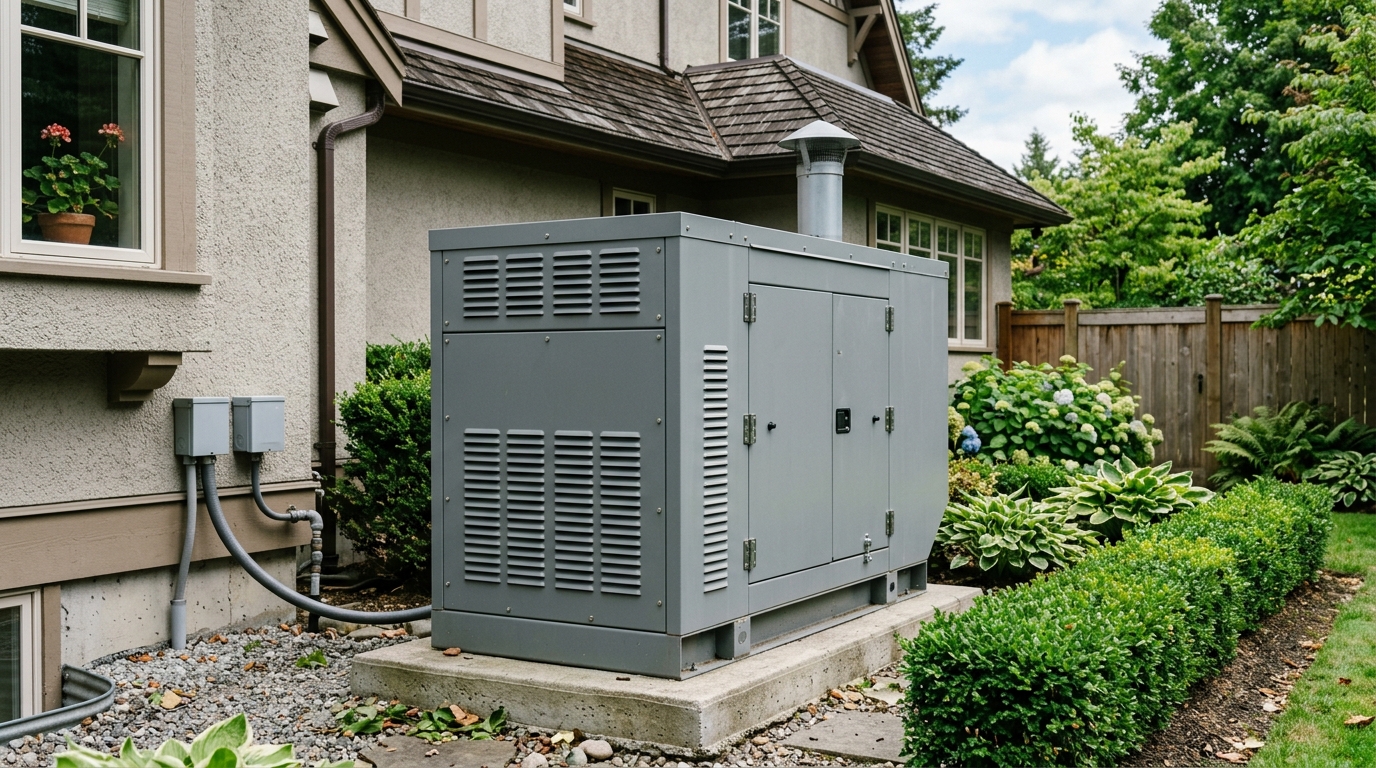
A whole-home generator is a permanently installed standby generator designed and sized to supply a home’s electrical system during a utility outage.
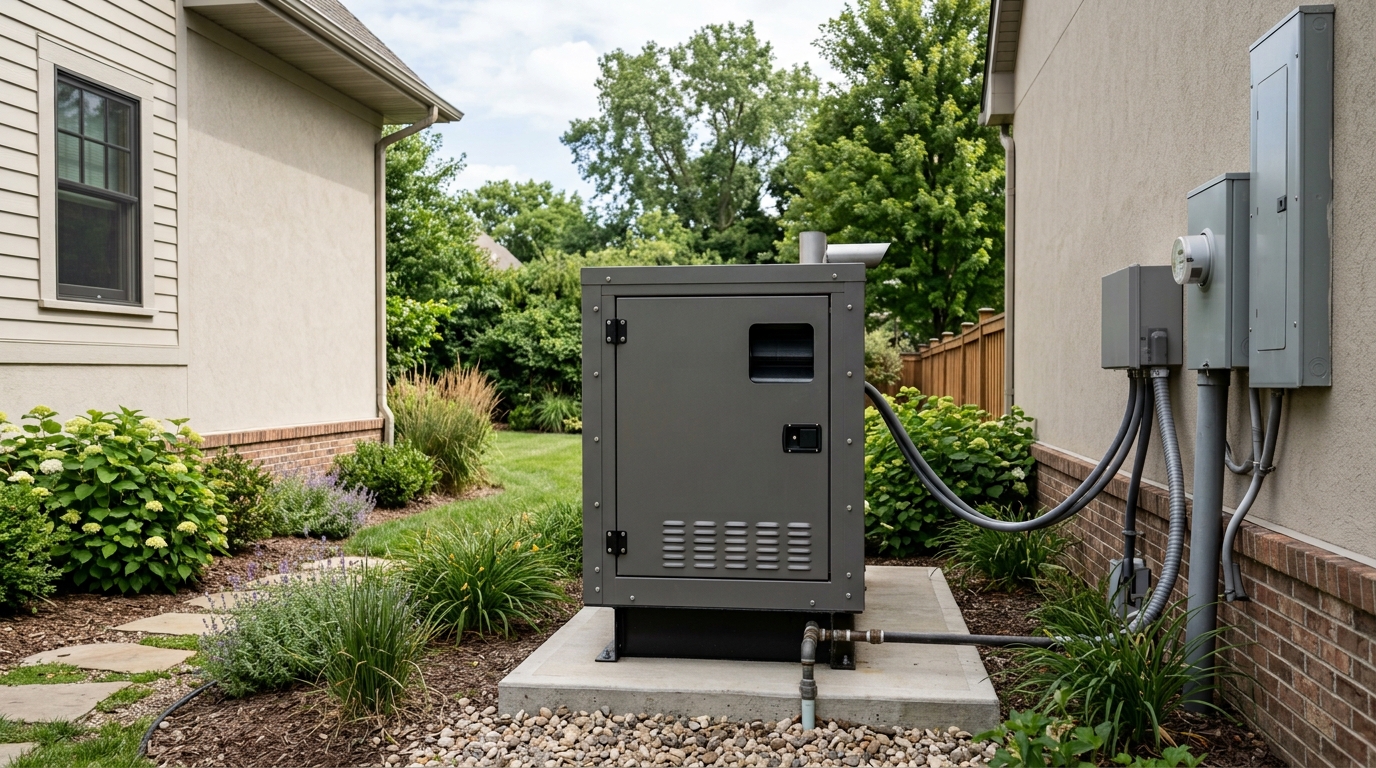
The system typically includes a generator, transfer equipment, electrical connections, fuel connections, and the required site installation.
When utility power is interrupted, an automatic transfer switch can detect the loss of normal power, start the generator, and transfer the home’s approved electrical loads to the backup source. Exact startup and transfer times vary by equipment and system configuration, so homeowners should not rely on a universal “X-second” claim when comparing systems.
A whole-home system can be designed to support a large portion or potentially all of a home’s electrical loads, but the generator must be correctly sized for the property’s actual demand.
Portable Generator vs. Standby Generator
Understanding the difference is important before deciding what type of backup power makes sense.
Portable Generators
Portable generators can provide temporary power for selected appliances or circuits. They generally require the homeowner to position, start, monitor, and refuel the equipment.
They also require strict safety precautions.
The U.S. Consumer Product Safety Commission recommends operating portable generators outside and at least 20 feet from the home, with exhaust directed away from windows, doors, and other openings. Generators should never be operated inside a house, garage, basement, shed, or similar enclosed space—even when doors or windows are open.
Standby Generators
A standby generator is permanently installed outside the property and connected to the home’s electrical system through approved transfer equipment.
The major convenience is automatic operation. Instead of manually moving a generator and connecting individual appliances, the standby system is designed to respond automatically when utility power is lost.
Standby systems can be configured for essential-circuit backup or broader whole-home coverage, depending on generator capacity and the home’s electrical service.
How Much Generator Capacity Does a Westlake Village Home Need?
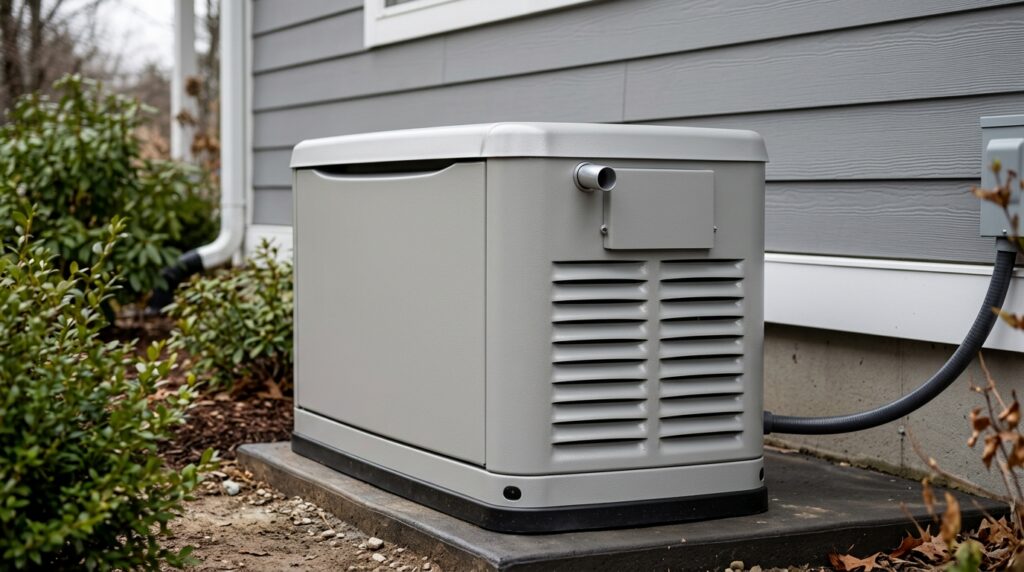
There is no accurate generator size based purely on square footage.
Two homes of the same size can have dramatically different electrical requirements. One might have gas appliances and a single HVAC system, while another could have multiple air-conditioning units, pool equipment, EV chargers, electric water heating, and other high-demand equipment.
A professional generator assessment should consider:
- HVAC equipment and startup loads
- Refrigerators and freezers
- Kitchen appliances
- Pool and spa equipment
- EV chargers
- Water pumps where applicable
- Medical equipment
- Security and networking equipment
- Lighting and receptacle circuits
- Existing electrical-service capacity
The goal is to determine the loads the generator must actually support.
For some homes, selective backup of essential circuits may be appropriate. For others, a larger generator with load management or full-service backup may make sense.
The right generator is the one that matches the home’s electrical load—not simply its square footage.
Natural Gas or Propane?
Standby generators commonly operate on natural gas or liquid propane. The appropriate choice depends on the property and the available fuel infrastructure.
Natural Gas
For a property that already has natural-gas service, a standby generator may be connected to the gas system through an appropriately sized fuel line.
The generator’s fuel demand must be evaluated along with the existing gas system. Larger installations may require additional work to ensure the equipment receives the required fuel supply.
Natural gas is convenient because homeowners do not need to maintain an on-site propane tank.
However, homeowners should not assume that natural-gas service is guaranteed under every emergency condition. Fuel infrastructure and utility conditions should be discussed during system planning.
Liquid Propane
Propane stores the fuel onsite, making it an option for properties without suitable natural-gas service.
The limitation is capacity. Generator runtime depends on tank size, generator consumption, and electrical load. A larger generator running at a higher load will consume more fuel.
For propane installations, tank location, capacity, fuel-line routing, and applicable code requirements should all be considered during the site assessment.
Generator Hookups in Westlake Village: What About Permits?
This is one area where the original article needed correction.
The incorporated City of Westlake Village is in Los Angeles County. The broader Westlake Village community extends across the Los Angeles-Ventura County line, with the Ventura County portion located in the City of Thousand Oaks.
For properties within the City of Westlake Village, the City states that it contracts with Los Angeles County for building and safety services. Building permits and plan review are therefore handled through the County’s system rather than through a separate city building department.
The City also adopted the 2025 California building, electrical, plumbing, mechanical, residential, and related codes through a 2026 ordinance, with local amendments.
Because the exact permit requirements can depend on the generator, electrical service, gas work, site conditions, and project scope, the installer should confirm the requirements before construction begins.
Where Can a Standby Generator Be Installed?

Generator placement requires more planning than simply finding an open section of the side yard.
The installation must account for manufacturer clearance requirements, exhaust direction, access for maintenance, electrical and fuel-line routing, property conditions, and applicable building, electrical, mechanical, and fire requirements.
Westlake Village properties can have different lot configurations, landscaping, slopes, pools, accessory structures, and other site constraints. A proper site assessment should therefore determine the generator location before equipment is ordered.
HOA or architectural requirements may also apply to properties located within a homeowners association. Those requirements can address factors such as visibility, screening, equipment placement, and noise. Homeowners should check their governing documents and obtain any required approval rather than assuming that every HOA follows the same rules.
How Much Does Generator Installation Cost in Westlake Village?
There is no single installation price that accurately applies to every home.
The final cost can be influenced by:
Generator capacity: Larger generators generally require larger supporting electrical and fuel infrastructure.
Transfer equipment: The transfer-switch configuration depends on the electrical service and the desired backup coverage.
Electrical panel work: An older or unsuitable electrical panel may need modification or replacement.
Fuel-line requirements: Gas-line size and routing can affect the project scope.
Generator location: Longer conduit or fuel runs, difficult access, grading, or site preparation can increase installation work.
Permitting and inspections: Required approvals and inspection requirements depend on the project.
HOA review: Architectural approval can affect the project schedule when applicable.
A site-specific, itemized estimate is considerably more useful than a generic online price range.
The Generator Installation Process
A professional generator installation typically follows several stages.
1. Site and Electrical Assessment
The electrician evaluates the electrical panel, available service capacity, generator location, fuel source, and the home’s important electrical loads.
2. Load Calculation
The system is sized according to the electrical loads the generator is expected to support, including important motor-starting requirements.
3. Generator and Transfer Equipment Selection
The appropriate generator capacity and transfer equipment are selected based on the results of the assessment.
4. Permitting
The required permit applications and project documentation are prepared and submitted to the appropriate authority.
5. Site Preparation
The generator receives an appropriate base or pad and is positioned according to the equipment requirements and approved installation plan.
6. Electrical and Fuel Connections
The generator is connected to the home’s electrical system through the transfer equipment, while natural-gas or propane connections are completed as required.
7. Testing and Inspection
The completed system is tested to verify operation, transfer functionality, and electrical performance, followed by the required inspection process.
8. Homeowner Walkthrough
The homeowner should receive information about system operation, testing, maintenance, and manufacturer requirements.
Volta Electric provides generator hookups as part of its Westlake Village residential and commercial electrical services.
Generator Safety and Maintenance
A standby generator is a long-term mechanical and electrical system, so installation is only the beginning.
Regular maintenance can include manufacturer-specified inspections, engine oil and filter service, battery checks, and operational testing. The exact maintenance schedule varies by generator manufacturer and model.
Portable generator safety is equally important. CPSC warns that carbon monoxide from portable generators can be fatal and recommends operating them outdoors at least 20 feet from the home with exhaust directed away from the building.
For permanent installations, homeowners should follow the generator manufacturer’s maintenance schedule and have servicing performed by appropriately qualified professionals.
Is a Whole-Home Generator Right for Your Westlake Village Home?
A whole-home generator isn’t automatically the best solution for every property.
It may be worth considering when a household needs backup power for multiple HVAC systems, refrigeration, home offices, security systems, pool equipment, medical equipment, or other significant electrical loads.
An essential-circuit standby system can make more sense for homeowners who primarily want refrigeration, lighting, selected outlets, communications, or other priority loads.
Battery energy storage is another option. A battery system can provide backup electricity without a combustion engine and may be particularly useful when combined with solar. The appropriate solution depends on the home’s loads, desired outage duration, solar configuration, available space, and budget.
Why Choose Volta Electric for Generator Hookups?
Volta Electric Inc. provides residential and commercial electrical services in Westlake Village, including generator installation. Its website lists California C-10 electrical contractor license #1100197 and a Westlake Village business address.
For a generator project, the important part isn’t simply installing the equipment. The system needs to be appropriately sized, safely connected, properly integrated with the home’s electrical service, and installed according to applicable requirements.
A professional assessment gives homeowners a clearer understanding of the generator capacity, transfer equipment, fuel configuration, installation location, and project scope their particular property requires.
Frequently Asked Questions
How much does a whole-home generator cost in Westlake Village?
The cost depends on generator size, electrical work, transfer equipment, fuel-line requirements, site conditions, permitting, and other project-specific factors. A property assessment is needed for an accurate estimate.
What size generator does my Westlake Village home need?
Generator capacity should be determined through an electrical load assessment. Square footage alone is not sufficient because HVAC systems, pool equipment, EV chargers, appliances, and other loads can substantially change the required capacity.
Does Westlake Village require a generator permit?
Generator projects can require permitting depending on their scope. The City of Westlake Village contracts with Los Angeles County for building and safety services, so homeowners within the incorporated city should verify the applicable requirements through the City/County permitting process.
How fast does a standby generator restore power?
Automatic standby systems can detect a utility outage and begin the startup and transfer sequence automatically. Exact timing depends on the generator, transfer switch, configuration, and manufacturer specifications.
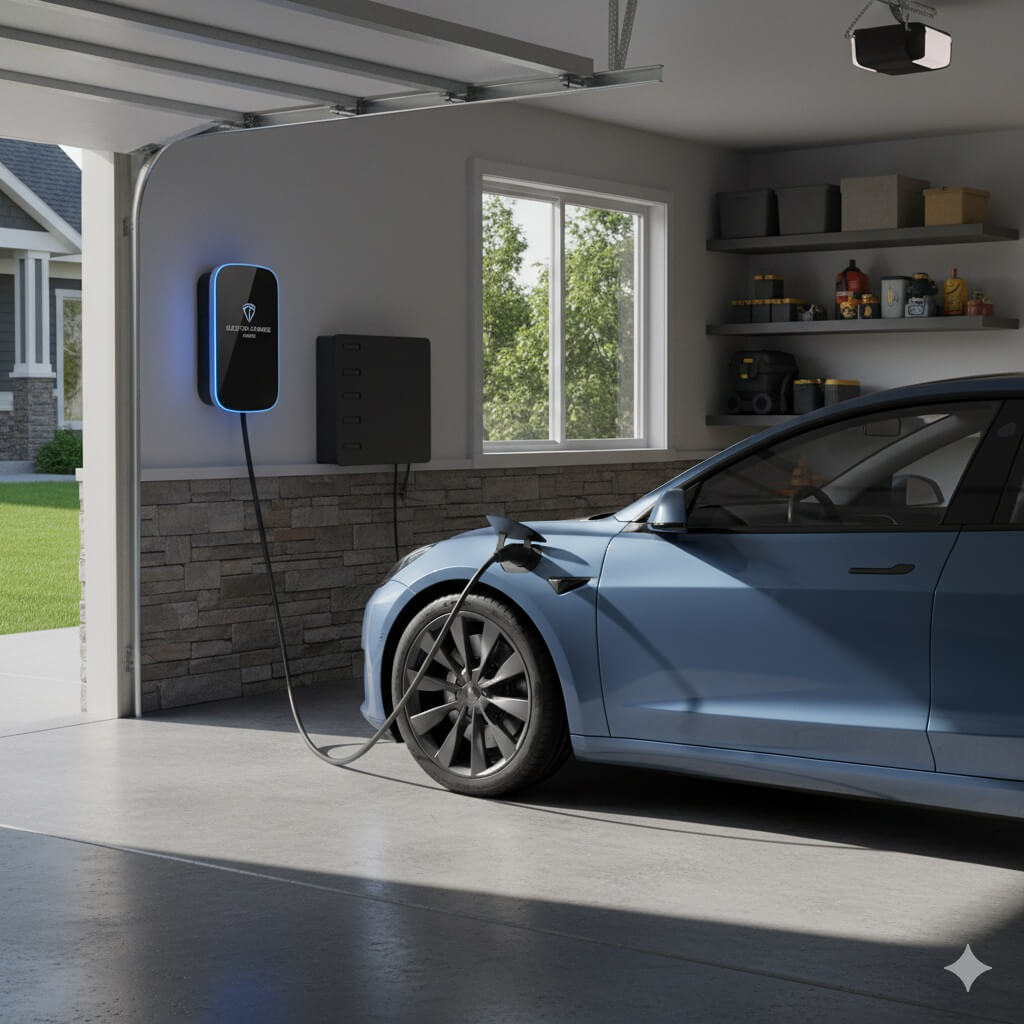
Can a generator power an EV charger?
It can be possible, but EV charging can represent a significant electrical load. The charger needs to be included in the generator load assessment to determine whether the generator can support it or whether load management is needed.
Will my HOA approve a generator?
HOA requirements vary. Many communities may require architectural review or conditions related to placement, screening, and noise. Homeowners should obtain approval where required before installation.
Get a Generator Installation Estimate in Westlake Village
Reliable backup power begins with the right system design.
Volta Electric Inc. provides generator installation in Westlake Village, CA, along with electrical panel upgrades, EV charger installation, troubleshooting, and other residential and commercial electrical services. Its team can evaluate the property’s electrical requirements and help determine the appropriate generator configuration.