Introduction
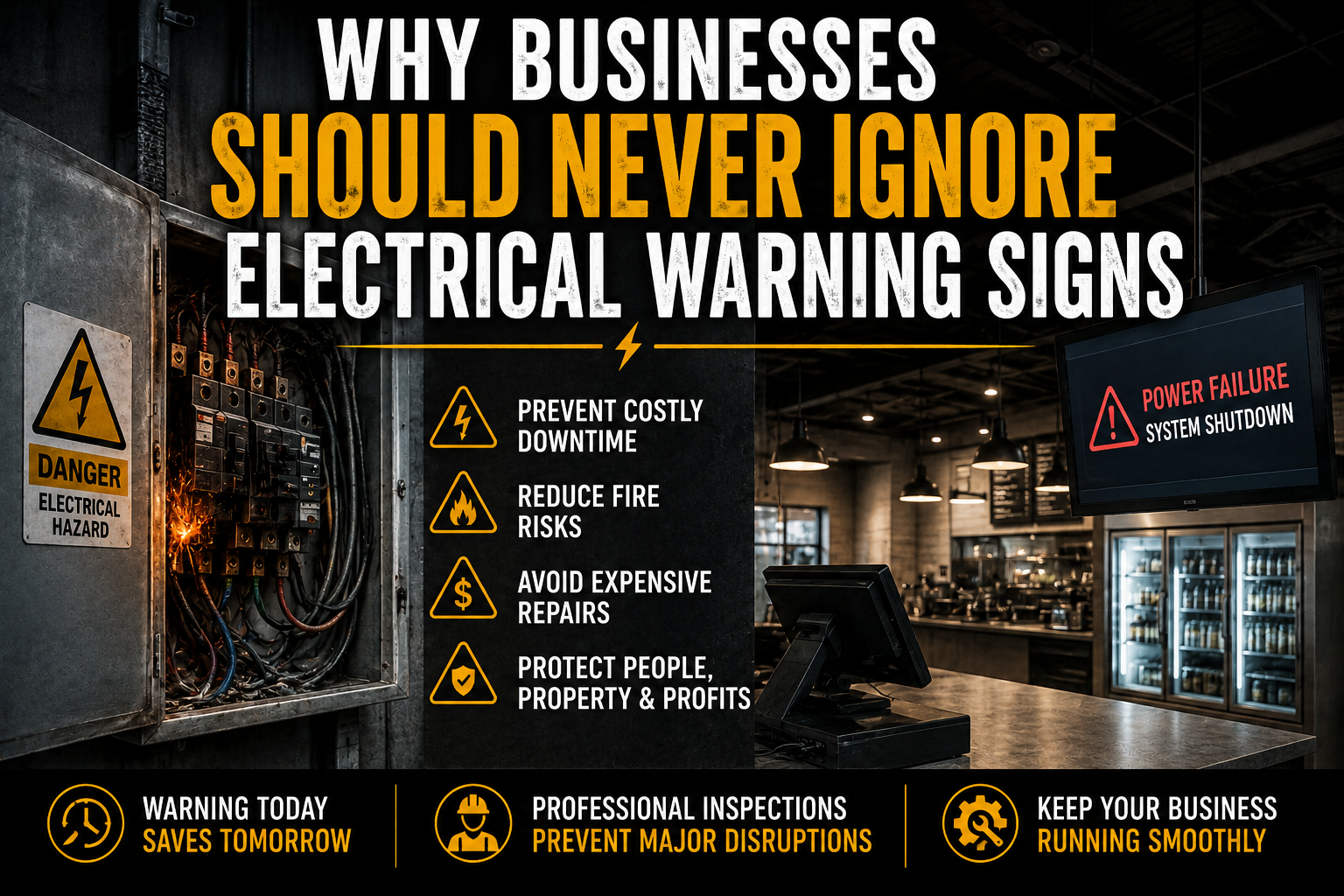
A residential homeowner who ignores a flickering light for a few weeks is taking a risk, but it’s usually a contained one. A business that ignores the same warning sign is often risking something much bigger: lost revenue, damaged inventory, unhappy customers, or a full shutdown at the worst possible moment. Commercial electrical systems carry higher stakes almost by definition, since they support point-of-sale systems, refrigeration, security systems, production equipment, and everything else a business depends on to function during operating hours.
As a commercial electrician Los Angeles businesses call on when something isn’t right, Volta Electric has walked into more than a few properties where a warning sign that had been dismissed for months finally became an emergency, usually during a busy weekend or a critical delivery window. This article walks through the warning signs no business owner should ignore, why commercial electrical services matter more than many owners realize until something fails, and how a proactive approach protects both operations and the bottom line.
Why Commercial Electrical Systems Fail Differently Than Residential Ones
Commercial properties typically carry heavier and more continuous electrical loads than residential homes. Refrigeration units run around the clock. Production equipment draws power in bursts that stress circuits differently than steady household use. HVAC systems designed for large spaces cycle more frequently and pull significantly more current. This constant demand means commercial electrical systems experience wear at a different pace, and it means the consequences of a failure tend to be more immediate and more expensive.
There’s also a scale difference in how commercial electrical infrastructure is typically configured. Many commercial properties run on three-phase power, use larger panels with significantly more capacity than residential service, and often include multiple sub-panels distributed across different areas of a building. This complexity means that diagnosing a problem correctly requires experience specific to commercial systems, not just general electrical knowledge. An electrical contractor Los Angeles businesses trust for commercial work brings a different set of expertise than one focused primarily on residential service, and that distinction matters when something goes wrong.
The Warning Signs Businesses Should Never Dismiss
Flickering or Dimming Lights
In a commercial setting, flickering lights aren’t just an annoyance for customers or employees. They’re often the earliest visible sign of an overloaded circuit, a failing connection, or a panel operating beyond its comfortable capacity. Because commercial spaces often run more equipment simultaneously than a home does, this warning sign can escalate more quickly into an actual outage.
Breakers That Trip Repeatedly
A breaker that trips once might be an isolated event. A breaker that trips repeatedly is telling you something specific: the circuit is carrying more load than it was designed for, or there’s a fault somewhere along that circuit that needs proper electrical troubleshooting to identify. In a business environment, repeated trips often coincide with peak operating hours, which means the equipment failing is exactly the equipment you need most at that moment.
Warm Outlets, Switches, or Panel Covers
Heat where there shouldn’t be heat is one of the more serious warning signs in any electrical system, and it’s especially important in commercial settings where equipment often runs unattended overnight or during off-hours. A warm panel cover or a hot outlet indicates a connection issue generating heat, and left unaddressed, this is exactly the kind of issue that leads to electrical fires.
Burning Smells or Visible Discoloration
Any burning smell near an outlet, panel, or piece of equipment deserves immediate attention, not a wait-and-see approach. The same goes for visible discoloration around outlets or switch plates. These are not subtle warning signs meant to be monitored over time. They indicate active heat damage that requires prompt electrical repair services.
Buzzing or Humming Sounds
Unusual sounds coming from a panel, a piece of equipment, or a section of wall are worth investigating rather than dismissing as background noise. Buzzing often indicates a loose connection or a failing component, and in a commercial setting with more electrical equipment running simultaneously, these sounds can be harder to notice against ambient noise, which makes periodic professional inspection more important than relying on staff to catch them by ear.
Equipment That Underperforms Without Explanation
When refrigeration units run less efficiently, production equipment loses power under load, or HVAC systems struggle to maintain temperature without any obvious mechanical explanation, the electrical supply feeding that equipment is worth investigating. Voltage inconsistencies can cause equipment to underperform in ways that get misdiagnosed as mechanical issues when the actual root cause is upstream in the electrical system.
Inconsistent Power Across Different Areas of the Building
If certain sections of a commercial property experience power issues more than others, this often points to a specific sub-panel or circuit run rather than a building-wide problem. Identifying this pattern early, rather than treating each incident as isolated, helps a commercial electrician diagnose the actual source rather than chasing symptoms across the property.
Why Businesses Delay Addressing These Signs, and Why That’s a Costly Mistake
Business owners often delay electrical service for reasons that feel reasonable in the moment. Scheduling downtime is disruptive, especially for businesses that operate continuously or rely heavily on foot traffic during specific hours. There’s also a natural tendency to assume a minor symptom will resolve itself, particularly if the equipment continues functioning despite the warning sign.
The problem is that electrical issues rarely improve on their own. A loose connection generating heat today will generate more heat next month as the connection continues to degrade under repeated thermal cycling. A circuit tripping occasionally under normal load will trip more frequently as the underlying fault worsens. Every month a warning sign goes unaddressed, the eventual repair tends to become more extensive, more expensive, and more likely to occur during an inconvenient and costly moment rather than a scheduled one.
The Real Cost of Reactive Repairs
An emergency electrical failure during business hours carries costs well beyond the repair itself. Lost sales during a shutdown, spoiled inventory if refrigeration fails, damaged customer trust if the issue happens in front of clients, and potential equipment damage from a sudden power fault all compound the actual repair cost. A proactive approach to electrical maintenance, informed by taking warning signs seriously the first time they appear, consistently costs less than the reactive alternative.
Common Commercial Electrical Problems and Their Solutions
- Overloaded Panels From Business Growth: As businesses grow, they add equipment, point-of-sale systems, additional refrigeration, expanded lighting, and more, often without revisiting whether the original panel was sized for that growth. An electrical panel upgrade or, in some cases, a full electrical panel replacement, resolves this by matching the property’s capacity to its actual current demand rather than the demand it had when the building was originally wired.
- Aging Wiring in Older Commercial Buildings: Commercial buildings, particularly older ones in established areas, sometimes carry the same aluminum wiring or outdated insulation risks that affect older residential properties. Wiring and rewiring services for commercial spaces address this risk directly, and given the scale of equipment typically running in a commercial setting, resolving outdated wiring often carries even higher stakes than in a residential context.
- Insufficient Outlets and Circuits for Modern Equipment: Businesses that have added point-of-sale systems, security cameras, charging stations for equipment, and other modern electrical demands often find their original electrical outlet installation simply didn’t anticipate this level of need. Expanding outlet and circuit availability strategically, rather than running extension cords or power strips as a permanent workaround, resolves both a safety concern and a practical inconvenience.
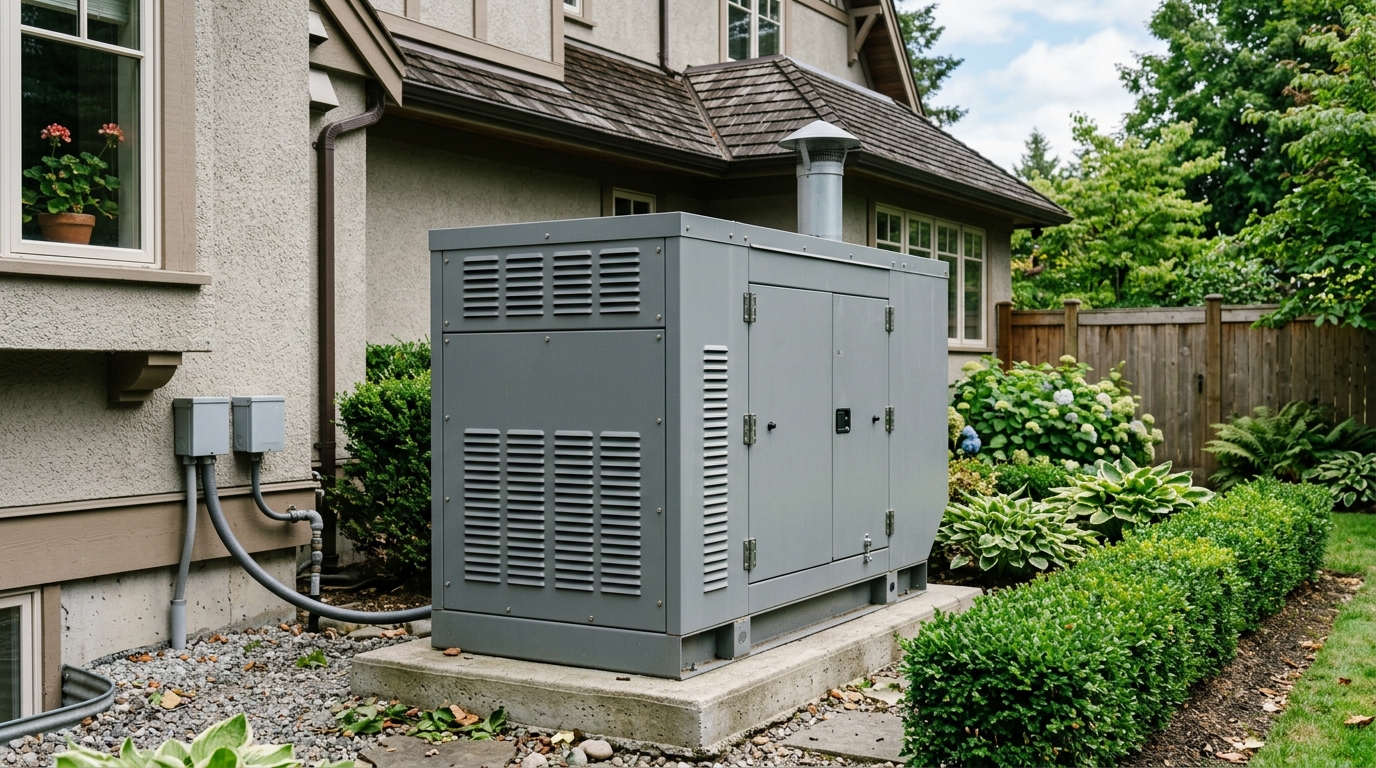
- Lack of Backup Power for Critical Operations: Businesses that depend on continuous power, whether for refrigeration, medical equipment, security systems, or production processes, are increasingly investing in generator installation to protect against outages, particularly during California’s Public Safety Power Shutoff events. A properly sized generator with automatic transfer switching keeps critical systems running without requiring staff to manually intervene during an outage.
Benefits of Proactive Commercial Electrical Service
Businesses that address electrical warning signs promptly, and that schedule regular maintenance rather than waiting for problems to appear, see consistent advantages. Operational continuity improves significantly, since fewer unexpected failures means fewer disruptions to revenue-generating activity. Equipment lifespan often extends as well, since consistent, properly maintained electrical supply reduces the kind of voltage inconsistency that shortens the life of sensitive equipment.
Insurance and liability considerations improve too. A documented history of proactive electrical maintenance can matter significantly in the event of an insurance claim, particularly if an electrical incident ever causes property damage or business interruption. And perhaps most importantly for many business owners, addressing warning signs early protects the customer and employee experience, since nothing undermines confidence in a business faster than visible signs of neglect, whether that’s flickering lights in a retail space or a sudden power failure during a client meeting.
Cost and Investment Considerations
The cost of commercial electrical work varies substantially based on the scale of the property and the scope of the issue, but the general principle holds true across nearly every scenario: addressing a warning sign early costs meaningfully less than addressing the eventual failure it was warning about. A commercial electrician performing routine troubleshooting on a flickering circuit represents a modest cost. The same underlying issue, left unaddressed until it causes an equipment failure or an emergency shutdown, typically costs significantly more once you factor in the repair, the lost operational time, and any resulting equipment or inventory damage.
Larger investments, such as a full commercial panel upgrade or a building-wide rewiring project, represent a more significant cost but often deliver a strong return through reduced downtime, lower long-term maintenance needs, and improved capacity for future growth. Generator installation costs scale with the size of the unit needed to support critical operations, but for businesses where an outage translates directly into lost revenue, this investment frequently pays for itself the first time it prevents a costly shutdown.
Expert Recommendations
Treat any of the warning signs covered in this article as worth an immediate call, not something to monitor for a few weeks first. In a commercial setting, the cost of waiting almost always exceeds the cost of addressing the issue promptly. Schedule regular electrical maintenance rather than waiting for a visible problem, particularly for businesses with refrigeration, production equipment, or any operation where downtime directly affects revenue.
Work with a commercial electrician who understands your specific industry’s electrical demands, since a retail space, a restaurant with heavy refrigeration needs, and a light manufacturing facility all have meaningfully different electrical priorities. And if your business depends on continuous power for any critical function, evaluate whether generator installation makes sense as a protective investment rather than waiting until an outage forces the question.
Local Relevance for Beverly Hills and Los Angeles Businesses
Beverly Hills businesses, particularly in the retail and hospitality sectors that define much of the local commercial landscape, face specific electrical demands tied to high customer expectations and the visible impact of any operational disruption. A retail space with flickering lights or a restaurant with an unexpected refrigeration failure faces reputational costs that go beyond the immediate financial impact, which makes proactive commercial electrical services especially valuable in this market.
This holds true across the broader region as well. Electrician Westlake Village businesses call on for retail and office properties often addresses similar warning signs to those covered here, just adapted to that area’s specific building stock. A panel upgrade Pasadena project for a growing business, EV charger installation Santa Monica work for properties adding charging infrastructure for customers and employees, an electrician Glendale businesses rely on for ongoing maintenance, electrical repair Long Beach properties need after equipment failures, and the electrician Torrance commercial community depends on for warehouse and light industrial work all reflect the same underlying truth: electrical warning signs in a business context carry higher operational stakes than in a typical residential setting, and they deserve a faster, more proactive response.
Future Trends and Industry Insights
Commercial electrical infrastructure is evolving alongside broader trends in energy management and resilience. More businesses are pairing backup generators with battery backup and energy storage systems, allowing for a layered approach to power resilience that draws first from stored energy before falling back to a generator during extended outages. Solar inverters and hybrid solar inverters are increasingly common additions for commercial properties looking to reduce operating costs and improve energy independence, particularly for businesses with significant daytime energy use that aligns well with solar production.
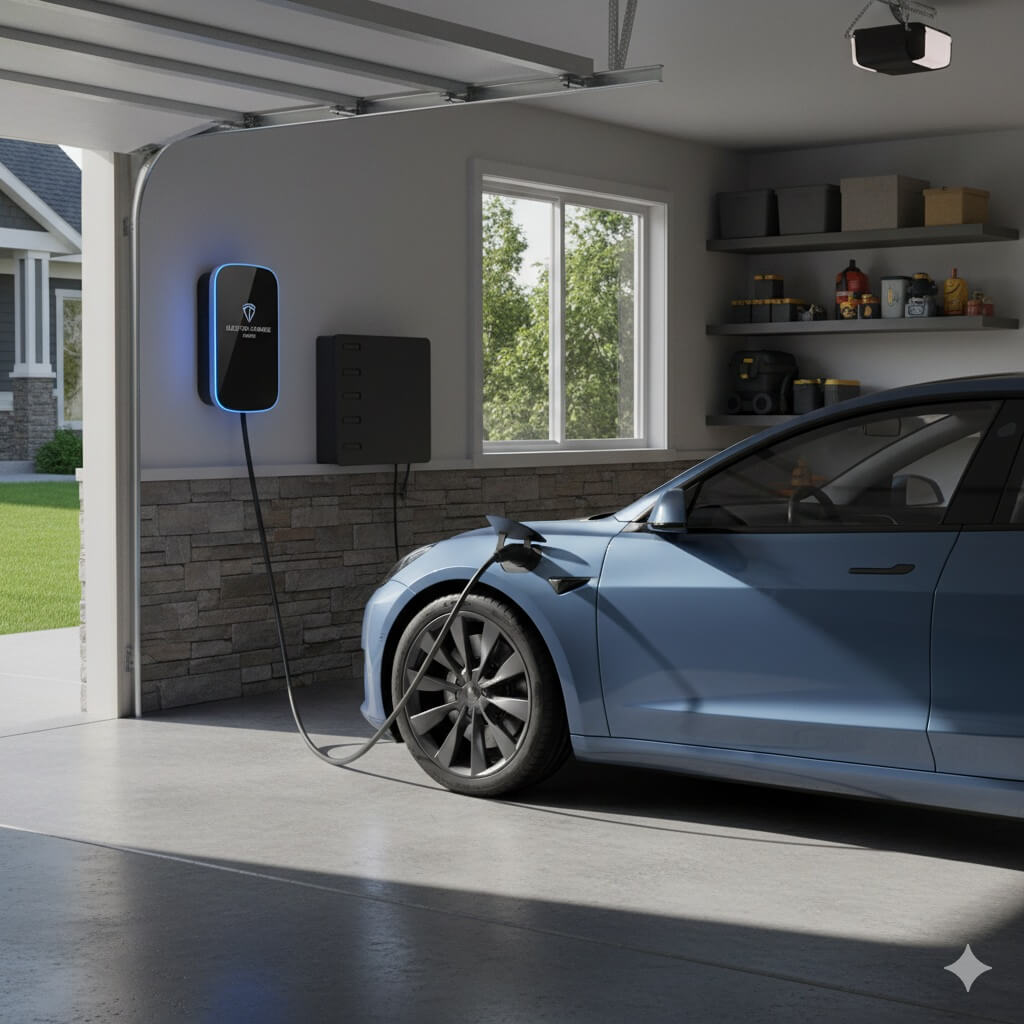
Commercial EV charger installation continues to expand as well, driven by customer and employee expectations, particularly in areas like Beverly Hills where EV adoption runs high. Businesses installing charging infrastructure now are positioning themselves ahead of a demand curve that shows no signs of slowing. Smart panel technology with circuit-level monitoring is also gaining traction in commercial applications, giving business owners real-time visibility into which systems are consuming the most power and where early warning signs might be developing before they become visible through traditional inspection alone.
Frequently Asked Questions
What’s the most common electrical warning sign businesses ignore?
Flickering lights and occasional breaker trips are the two most commonly dismissed warning signs, largely because equipment continues functioning despite them. Both often indicate a developing issue that worsens over time if left unaddressed.
How quickly should a business respond to a burning smell near electrical equipment?
Immediately. A burning smell indicates active heat damage and should be treated as an urgent issue requiring prompt professional attention, not something to monitor over time.
Why do commercial electrical systems fail differently than residential ones?
Commercial systems typically carry heavier, more continuous loads, often involve three-phase power and multiple sub-panels, and support equipment where failure has a more immediate operational and financial impact compared to a typical home.
Is it worth investing in a backup generator for a small business?
For businesses where downtime directly impacts revenue, such as those with refrigeration, medical equipment, or continuous production processes, a properly sized generator often pays for itself the first time it prevents a costly outage-related shutdown.
How often should a commercial property have its electrical system inspected?
Most commercial properties benefit from at least an annual electrical inspection, with more frequent checks warranted for businesses with heavy equipment loads or a history of electrical issues.
Can outdated commercial wiring affect insurance coverage?
It can. Insurers increasingly ask about electrical system age and maintenance history, and unresolved known issues can complicate claims if an electrical incident causes damage.
What should a business do if breakers trip repeatedly during business hours?
Treat this as a sign that a circuit is overloaded or has a developing fault, and schedule a professional evaluation rather than simply resetting the breaker repeatedly, since the underlying issue typically worsens without intervention.
Does adding new equipment to a commercial space usually require an electrical upgrade?
Often, yes, particularly if the new equipment has significant power demands or if the property has added multiple pieces of equipment over time without revisiting the original electrical capacity.
Conclusion
Electrical failures really can impact revenue and operations, and the businesses that fare best are the ones that treat warning signs as immediate priorities rather than background noise to monitor. Flickering lights, repeated breaker trips, warm outlets, and unusual sounds are not minor inconveniences in a commercial setting. They’re early signals of a problem that will almost certainly grow more expensive and more disruptive the longer it goes unaddressed. As a trusted commercial electrician Los Angeles businesses depend on, Volta Electric helps companies across Beverly Hills and the surrounding region respond to these signs before they become operational emergencies.
Protect Your Business with Professional Electrical Services
Volta Electric provides licensed commercial electrical services throughout Beverly Hills and greater Los Angeles, including Santa Monica, Pasadena, Glendale, Long Beach, Torrance, and Westlake Village. From emergency troubleshooting and panel upgrades to generator hookups and commercial EV charger installation, our team helps businesses stay operational and protected. Contact Volta Electric today to schedule a commercial electrical assessment.