Santa Monica is known for distinctive older homes, including Craftsman, Spanish Colonial Revival, and other architectural styles that contribute to the city’s character. Some properties are also recognized through Santa Monica’s historic-preservation programs and Historic Resources Inventory.
These homes can offer exceptional character, but an older house does not always have an electrical system designed for the way people use electricity today. A property that once supported basic lighting and a few appliances may now need to accommodate air conditioning, induction cooking, home offices, entertainment systems, smart-home equipment, heat pumps, solar equipment, or an electric vehicle charger.
Modernizing an older electrical system is therefore about more than adding outlets. The goal is to evaluate the existing wiring, service capacity, grounding and bonding, protective devices, and equipment condition, then determine which upgrades are actually appropriate for the home.
For properties with historic significance, the work also needs to be planned carefully so that necessary electrical improvements do not unnecessarily damage important architectural features.
California’s current statewide building standards are contained in the 2025 California Building Standards Code, Title 24, which became effective January 1, 2026. Electrical work must also comply with applicable local requirements and permit processes.
Electrical Challenges in Older Santa Monica Homes
The age of a home alone does not determine whether its electrical system is unsafe. Two homes built in the same decade can have very different electrical histories because one may have undergone multiple renovations while the other has retained much of its original infrastructure.
An electrical assessment is the best starting point. A qualified electrician can evaluate the service, panel, branch circuits, receptacles, switches, grounding, visible wiring, and other components to identify deficiencies and determine which improvements are justified.
Common Issues Worth Investigating
Older homes may have:
- Outdated fuse panels or older breaker equipment
- Limited service capacity
- Branch circuits that were not designed for today’s electrical loads
- Ungrounded or improperly grounded receptacles
- Older wiring methods, including knob-and-tube wiring in some properties
- Aluminum branch-circuit wiring in homes from certain construction periods
- Deteriorated wiring insulation or connections
- Insufficient GFCI protection in locations where it is required
- Lack of appropriate AFCI protection for circuits covered by current requirements
- Too few dedicated circuits for modern appliances
- Aging outdoor electrical equipment exposed to the coastal environment
Aluminum branch-circuit wiring deserves particular attention. The U.S. Consumer Product Safety Commission has documented fire hazards associated with deteriorating connections in certain residential aluminum wiring systems, particularly connections involving switches, receptacles, and other devices. Aluminum wiring should not automatically be treated as a reason to replace every wire in the home; it should be professionally evaluated and repaired or replaced using an appropriate method.
Likewise, knob-and-tube wiring should be evaluated based on its condition, the alterations made to the system over time, the presence or absence of grounding, and the requirements of the proposed work. An inspection is more useful than assuming that every older wiring method requires the same solution.
Why Electrical Upgrades Matter in an Older Home

Electrical modernization can improve several aspects of a property.
Safety
A properly evaluated electrical system can help identify overheating connections, damaged wiring, inadequate protection, improper modifications, and other hazards before they become serious problems.
GFCI protection helps protect people from severe electric shock, while AFCI technology provides additional protection against certain electrical arcing conditions associated with fires.
Electrical Capacity
Today’s homes can place substantially greater demands on electrical systems than homes did decades ago.
A panel should not be upgraded simply because it is old, however. The appropriate service and equipment size should be determined from the home’s electrical requirements and applicable code requirements. A 200-amp electrical panel may be appropriate for one house while another property may require a different configuration.
Reliability
An appropriately designed electrical system can reduce problems such as nuisance breaker trips, voltage-related issues, insufficient circuits, and overloaded equipment.
Energy Efficiency
Electrical upgrades can also support more efficient lighting and modern equipment. ENERGY STAR notes that LED lighting can use up to 90% less energy than incandescent lighting.
Future Projects
Planning electrical capacity at the same time as a remodel can make future installations easier. Depending on the property, homeowners may be considering an EV charger, heat pump, new kitchen appliances, solar equipment, a generator, or additional living space.
Electrical Panel Upgrades: Start With a Load Evaluation
The electrical panel is one of the most visible parts of a home’s electrical distribution system, but replacing the panel is not automatically the right solution for every older house.
A qualified electrician should first evaluate the existing service and the home’s anticipated electrical loads.

Signs a Panel Deserves Attention
Potential warning signs include:
- Repeatedly tripping breakers
- Heat, discoloration, or damage around electrical equipment
- Flickering lights associated with significant electrical loads
- Outdated fuse equipment
- Insufficient space for necessary circuits
- Existing equipment that is damaged, obsolete, or unsuitable for planned upgrades
- An upcoming project that materially increases electrical demand
A panel replacement may also be necessary when other electrical work reveals deficiencies in the existing service equipment.
Is a 200-Amp Upgrade Always Necessary?
No.
A common mistake in online electrical content is to claim that every modern home needs 200 amps. Electrical service requirements depend on factors such as the size of the dwelling, installed equipment, appliances, heating and cooling systems, EV charging, and other calculated loads.
A professional load calculation can determine whether the existing service is adequate, whether a panel replacement is appropriate, or whether an electrical panel upgrade is needed.
That distinction matters for historic homes because unnecessary electrical work can add cost and may require more invasive construction than the property actually needs.
Rewiring and Wiring for Older Santa Monica Homes

Rewiring can range from replacing a small number of damaged circuits to undertaking a substantial portion of the home’s electrical system.
The correct scope depends on what an inspection reveals.
Aluminum Wiring
Some homes constructed during the late 1960s and early 1970s contain aluminum branch-circuit wiring. CPSC investigations found that certain aluminum wiring connections can develop increased resistance and overheat, creating a fire hazard.
That does not mean every aluminum-wired home requires immediate whole-house rewiring.
Instead, homeowners should have the wiring and connections evaluated by a qualified professional. Depending on the installation, condition, and applicable requirements, an electrician may recommend an approved repair method, replacement of affected wiring, or more extensive rewiring.
Knob-and-Tube Wiring
Some particularly old homes may contain knob-and-tube wiring. Because these systems were installed under historical electrical practices, their condition and compatibility with later modifications need to be evaluated individually.
A professional inspection can determine whether the existing wiring is serviceable, whether alterations have created problems, and what needs to change before adding new circuits or equipment.
Whole-Home Rewiring
Whole-home rewiring may be appropriate when the existing electrical infrastructure is extensively outdated, deteriorated, improperly modified, or unable to safely support planned improvements.
For a historic property, the electrician should coordinate the work carefully with other trades to limit unnecessary damage to walls, ceilings, trim, plaster, and other original features.
Preserving Historic Character During Electrical Work
Modern electrical work does not have to mean sacrificing the character of an older home.
Santa Monica maintains historic-preservation resources, including a Historic Resources Inventory and information about designated landmarks and historic districts. Whether a particular property is subject to additional review depends on its individual status and the proposed work.
Before beginning a significant renovation, homeowners should determine whether the property is listed in the City’s Historic Resources Inventory or otherwise subject to historic-preservation requirements.
Strategies for Less-Invasive Electrical Upgrades
Depending on the building and project, an electrician may be able to:
- Use existing chases or accessible areas for new wiring
- Route wiring through attics, crawl spaces, or other appropriate pathways
- Coordinate electrical work with planned remodeling
- Minimize unnecessary openings in finished surfaces
- Select fixtures that complement the home’s architectural style
- Preserve original trim, ceilings, built-ins, and other significant details
Not every installation can be completed without opening walls or ceilings. The most appropriate approach depends on the construction of the property and the scope of the electrical work.
Lighting Upgrades for Historic Homes

Lighting is an opportunity to modernize a home without changing its architectural identity.
LED Lighting
LED technology can significantly reduce lighting energy consumption and typically offers a much longer service life than incandescent lighting.
For an older Santa Monica home, lighting improvements might include carefully selected decorative fixtures, efficient replacement lamps, dimming controls, task lighting, or strategically placed accent lighting.
Recessed Lighting
Recessed fixtures can work well in some rooms, but they should not automatically be installed throughout a historic home. Cutting into original plaster ceilings or decorative architectural elements may not be appropriate.
In some spaces, surface-mounted fixtures, decorative pendants, sconces, or other less-invasive solutions may provide better results.
Exterior and Landscape Lighting
Outdoor lighting can improve visibility and help highlight landscape and architectural features. Fixtures and wiring should be selected and installed for the environmental conditions in which they will operate.
EV Charger Installation in Older Santa Monica Homes

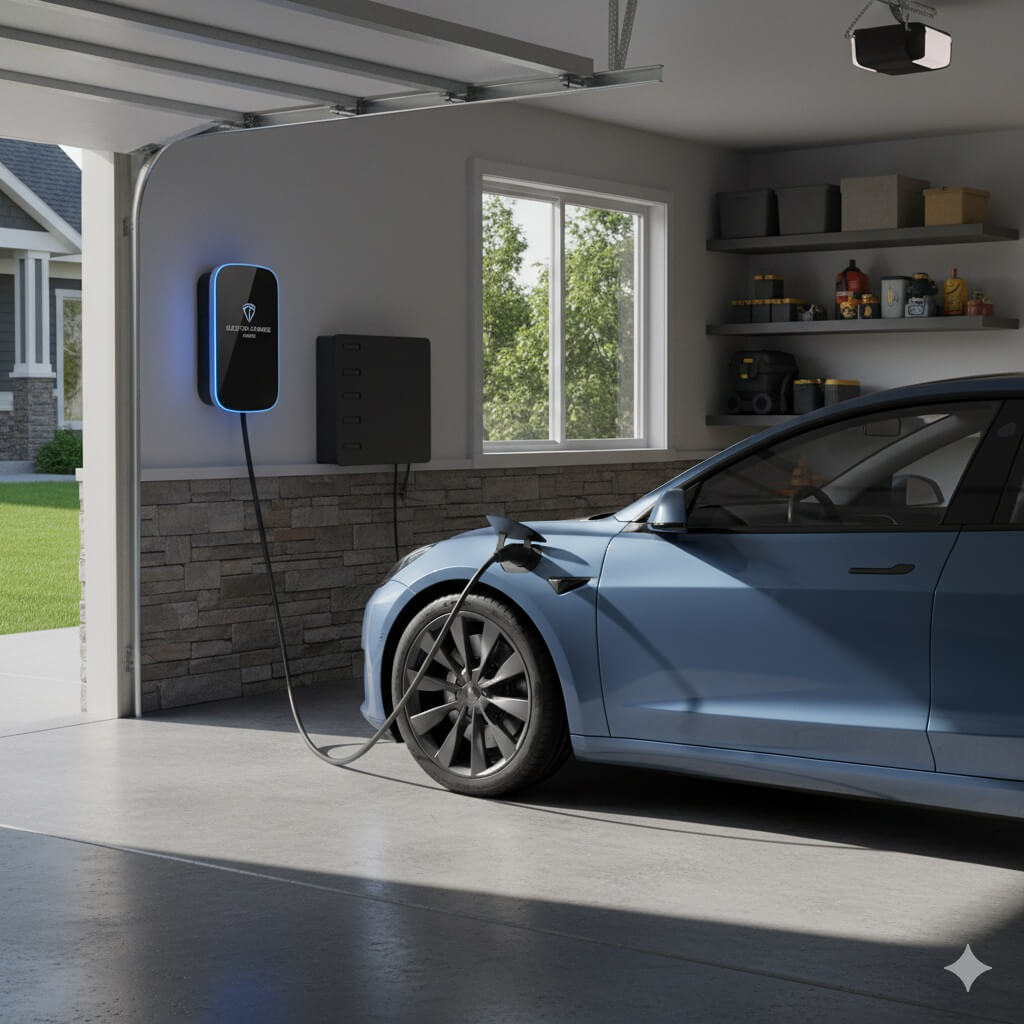
EV charging is increasingly relevant for homeowners who want the convenience of charging at home. However, installing an EV charger does not automatically require an electrical panel upgrade.
The correct approach is to evaluate the home’s existing service, available capacity, charging equipment, circuit requirements, and installation location.
Santa Monica specifically provides an EV Charger Permit Application, and the City states that associated upgrades to an existing electrical system require a separate building permit.
Level 2 Home Charging
Many homeowners consider Level 2 charging because it can provide substantially faster charging than a standard household outlet.
Before installation, an electrician can determine whether the existing electrical service and panel can accommodate the charger or whether another solution is more appropriate.
Depending on the circumstances, the project could involve:
- A new dedicated circuit
- Panel modifications
- A service upgrade
- Load-management equipment
- Conduit installation
- Additional wiring
- Other electrical improvements
The most important point is to evaluate the actual electrical load rather than assume that a panel replacement is necessary.
Santa Monica also maintains information about EV installation resources and available incentives.
GFCI, AFCI, Smoke Alarm and Carbon Monoxide Protection
Electrical safety improvements are particularly important when renovating an older home.
GFCI Protection
Ground-fault circuit-interrupter protection is designed to reduce the risk of severe electric shock by disconnecting power when a ground-fault condition is detected.
GFCI protection is commonly associated with areas such as kitchens, bathrooms, garages, outdoor locations, and other locations covered by applicable electrical requirements.
The exact installation requirements depend on the circuit, location, equipment, and applicable code edition.
AFCI Protection
Arc-fault circuit interrupters provide additional protection against certain dangerous arcing conditions in electrical wiring. CPSC identifies AFCIs as a means of providing enhanced protection from fires resulting from unsafe arcing and sparking.
Whether AFCI protection is required or recommended depends on the particular circuit and the electrical work being performed.
Smoke Alarms
Smoke alarms are another important part of a home’s safety system.
The U.S. Fire Administration recommends smoke alarms inside and outside sleeping areas and on every level of a home, and recommends interconnection where appropriate. Hardwired smoke alarms generally have a backup battery, which is important because simply connecting an alarm to household power does not eliminate the need for backup power.
Hardwired smoke alarms should be installed by qualified professionals, particularly when electrical wiring must be added or modified.
Carbon monoxide alarms should also be installed where required or recommended by applicable safety requirements.
Troubleshooting Electrical Problems in Older Homes
Some electrical problems should never be ignored.
Contact a qualified electrician promptly when you notice:
- Burning odors
- Buzzing or crackling sounds
- Warm or discolored outlets or switches
- Sparks or visible arcing
- Repeated breaker trips
- Flickering lights
- Outlets that stop working
- Damaged electrical wiring
- An unexplained loss of power to part of the house
CPSC specifically identifies warning signs such as warm faceplates, flickering lights, burning odors, and sparking or arcing as reasons to have certain older aluminum-wired systems professionally examined.
Homeowners should not attempt to diagnose or repair concealed electrical wiring themselves.
Permits and Code Compliance in Santa Monica
Electrical work should be planned around the applicable California and local requirements.
California’s 2025 Title 24 became effective January 1, 2026, and includes the current California Electrical Code as Part 3.
Santa Monica provides building-permit and plan-review resources, including information for electrical-related projects and EV charger installations.
Permit requirements can vary according to the nature and scope of the work. A professional contractor can help identify which permits and inspections apply to a particular project.
For a property with historic status, homeowners should also check applicable planning and preservation requirements before making alterations that could affect protected features.
How to Choose an Electrician for an Older Santa Monica Home

Historic-home electrical projects require more thought than simply replacing a modern fixture.
When comparing contractors, homeowners should look for an electrical contractor properly licensed for the work and familiar with residential upgrades, troubleshooting, rewiring, panel work, and permitting.
California’s Contractors State License Board provides an online license-verification tool that homeowners can use to check a contractor’s license information.
It is also helpful to ask the electrician:
What did you find during the electrical assessment?
A good contractor should be able to explain the observed condition of the system rather than simply recommend the most expensive possible upgrade.
Which improvements are necessary now, and which are optional?
This helps separate code or safety issues from convenience upgrades.
Will the proposed work affect historic architectural features?
The contractor should explain where wiring, boxes, fixtures, and other equipment will be installed and how the work will be coordinated with existing finishes.
What permits and inspections are required?
This is particularly important when upgrading panels, installing EV chargers, undertaking extensive rewiring, or modifying a property with historic considerations.
Electrical Services for Santa Monica Older Homes
For homeowners planning improvements to an older property, Volta Electric publishes services including:
- Electrical panel upgrades
- Wiring and rewiring
- EV charger installation
- Outlet and GFCI repair and installation
- Lighting installation
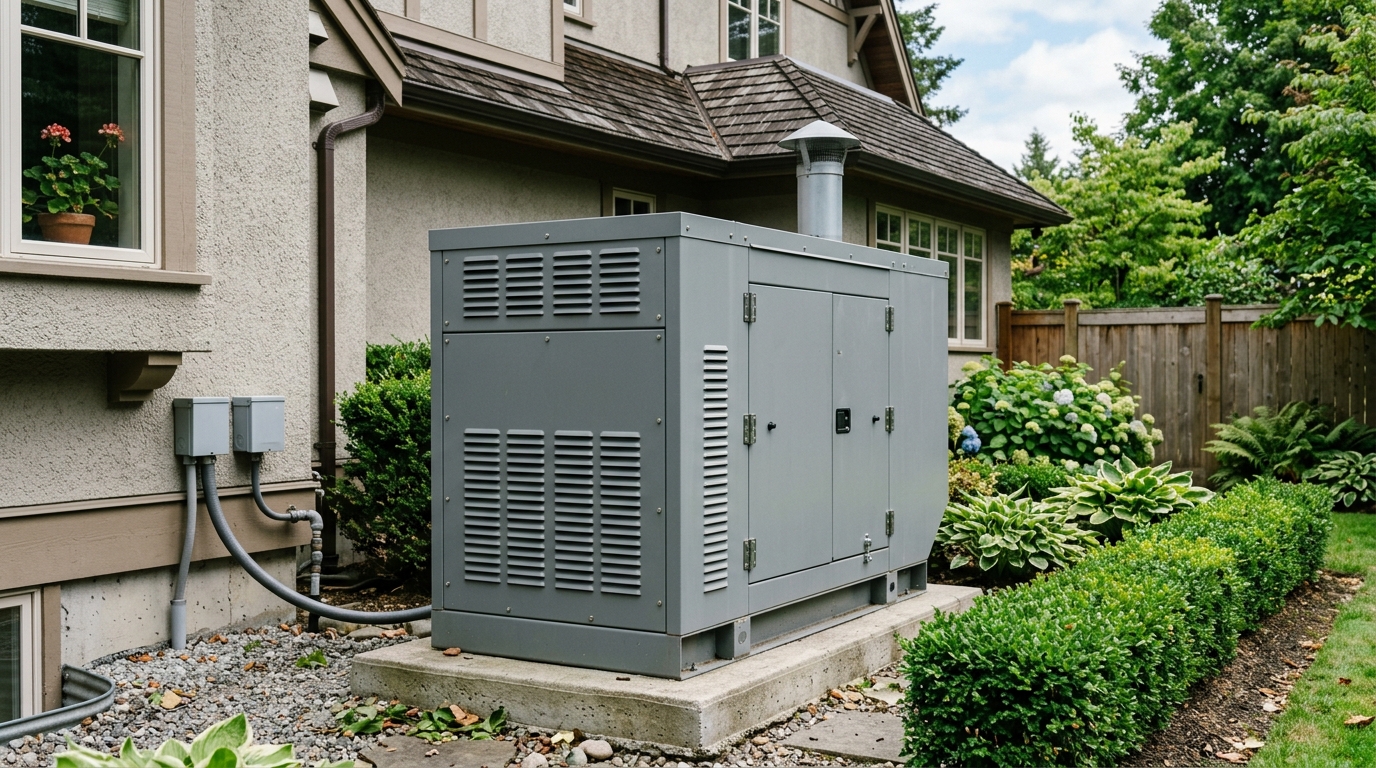
- Generator installation
- Smoke and carbon monoxide detector services
- Electrical troubleshooting
- Ceiling fan installation and repair
Volta Electric’s website identifies the company as a California licensed electrical contractor and lists license number 1100197. Its published service information specifically includes panel upgrades, EV charger installation, troubleshooting, lighting, generator installation, and wiring and rewiring.
Frequently Asked Questions
How do I know whether an older Santa Monica home needs rewiring?
Warning signs can include damaged or deteriorated wiring, repeated electrical problems, outdated wiring methods, overheating connections, or an electrical system that cannot safely support planned improvements. An electrical inspection is the appropriate way to determine whether partial repairs or more extensive rewiring is necessary.
Does an older home automatically need a 200-amp electrical panel?
No. The appropriate electrical service size depends on the home’s calculated electrical loads and the requirements applicable to the project. A qualified electrician can determine whether the existing service is adequate or whether an upgrade is warranted.
Is aluminum wiring always a reason to rewire a house?
No. Certain aluminum branch-circuit wiring systems can present connection-related hazards, but the appropriate corrective action depends on the wiring, connections, condition, and installation. CPSC recommends professional evaluation and identifies several possible repair approaches rather than treating every aluminum-wired property identically.
Does installing an EV charger require a panel upgrade?
Not necessarily. The existing electrical service may have sufficient capacity, or the installation may be possible with other electrical modifications or load-management measures. An electrician should evaluate the home’s existing system before determining what work is necessary.
Can electrical upgrades be completed without damaging historic features?
Sometimes. Electricians can often use existing accessible spaces and carefully planned wiring routes to reduce disruption, but the feasibility depends on the home’s construction and the scope of the project. Properties with historic status may also have additional preservation considerations.
Does a permit need to be obtained for electrical work in Santa Monica?
Permit requirements depend on the project. Santa Monica provides specific building-permit resources, including an EV Charger Permit Application, and homeowners should confirm the requirements that apply to their particular project.
How often should an older home’s electrical system be inspected?
There is no single inspection interval that applies to every older home. An evaluation is particularly worthwhile before a major renovation, when adding high-demand equipment, after purchasing an older property, or whenever the homeowner notices signs of electrical problems.
Modern Electrical Performance Without Losing Historic Character
Older Santa Monica homes do not have to choose between architectural character and modern electrical functionality.
A thoughtful upgrade can address genuine safety and capacity concerns while respecting the way the home was originally built. In some properties, that may mean repairing individual circuits and adding appropriate protection. In others, it may mean a panel upgrade, partial or whole-home rewiring, new lighting, an EV charging circuit, or several improvements completed as part of a larger renovation.
The key is to begin with an assessment rather than assumptions.
For homeowners considering electrical work in a historic or older Santa Monica property, the right electrician can evaluate the existing system, explain the available options, identify applicable permitting requirements, and develop an upgrade strategy appropriate for the property.