The internet is filled with DIY tutorials making electrical work look deceptively simple. Change a light fixture in five minutes! Install a ceiling fan with basic tools! Add an outlet yourself and save hundreds! But here’s what those videos often don’t mention: electrical work is one of the most dangerous DIY projects you can attempt, and mistakes can result in fires, serious injuries, code violations, and insurance claim denials.
At Volta Electric, we’ve seen the aftermath of DIY electrical projects gone wrong across Los Angeles. We’ve also helped countless homeowners understand which electrical tasks are safe for DIY and which absolutely require a licensed electrician. This guide will help you make informed decisions that protect your safety, your home, and your wallet.
Whether you’re considering a simple switch replacement or planning a major project like home ev charger installation, understanding when to DIY and when to call a professional could literally save your life.
The Reality of DIY Electrical Work
Let’s start with an important truth: some electrical tasks are appropriate for knowledgeable homeowners with the right tools and safety practices. But the line between safe DIY and dangerous territory is much narrower than many people realize.
The Risks Are Real
According to the Electrical Safety Foundation International (ESFI), electrical failures or malfunctions are involved in an estimated 51,000 home fires annually in the United States, causing nearly 500 deaths, 1,400 injuries, and $1.3 billion in property damage. Many of these incidents stem from improper electrical work—including well-intentioned DIY projects.
In cities like Houston, Phoenix, Miami, and across the country, emergency rooms treat thousands of electrical injury cases each year. Electrocution can cause cardiac arrest, severe burns, neurological damage, and death. Even “low-voltage” 120-volt household current can be fatal under the right (or wrong) conditions.
Legal and Insurance Implications
Beyond safety concerns, DIY electrical work has serious legal implications:
- Most jurisdictions require permits for electrical work, which typically require a licensed electrician
- Unpermitted work can prevent home sales or reduce property values
- Insurance companies may deny fire claims if unpermitted electrical work contributed to the loss
- In some states, performing electrical work without a license is a criminal offense
- Building code violations can result in fines and mandatory corrections
Homeowners in San Francisco, Seattle, Boston, and other cities with strict enforcement learn these lessons the hard way when they try to sell their homes or file insurance claims.
Safe DIY Electrical Tasks
Not all electrical work requires a licensed electrician. Here are tasks that most knowledgeable homeowners can safely handle:
Replacing Light Bulbs
This is basic maintenance anyone can do. Just ensure power is off before handling broken bulbs.
Replacing Electrical Outlet and Switch Covers
Simply removing screws and replacing decorative covers involves no electrical work and requires no special knowledge.
Replacing Light Fixtures (Simple, Direct Swaps)
If you’re replacing a light fixture with a similar model using existing wiring and mounting hardware, this is generally safe for DIY—provided you:
- Turn off power at the breaker (not just the switch)
- Test wires with a voltage tester to confirm power is off
- Follow manufacturer instructions precisely
- Understand basic wire connections (black to black, white to white, ground to ground)
- Don’t make any changes to the electrical box or wiring
Replacing Standard Outlets or Switches (Like-for-Like)
Swapping a worn outlet or switch for an identical replacement is relatively straightforward if you’re comfortable working with electricity and follow proper safety procedures. However, upgrading to different types (like adding GFCI or smart switches) moves into professional territory.
Installing Smart Home Devices
Many smart thermostats, video doorbells, and similar devices are designed for DIY installation with detailed instructions. However, if installation requires new circuits or significant wiring modifications, call a professional.
Resetting Tripped Circuit Breakers
This is basic troubleshooting. However, if breakers trip repeatedly, you have a serious problem requiring professional diagnosis.
Testing Outlets with Simple Testers
Using a plug-in outlet tester to check for proper wiring is safe and actually recommended for homeowners.
When You MUST Hire a Licensed Electrician
The following electrical tasks should always be performed by licensed professionals like those at Volta Electric:
Anything Involving Your Electrical Panel
Your electrical panel is the heart of your home’s electrical system. Working inside the panel exposes you to potentially lethal current and requires expertise to do safely. Never attempt to:
- Install or replace circuit breakers
- Add circuits to your panel
- Upgrade your electrical panel (60-amp to 200-amp, etc.)
- Modify panel wiring or connections
- Install or remove the main breaker
Electrical panel work is never DIY-appropriate, whether you’re in Los Angeles, New York, Chicago, or anywhere else.
Installing New Circuits or Wiring
Running new electrical circuits through walls, ceilings, or underground requires:
- Knowledge of electrical codes and load calculations
- Proper wire sizing for the amperage and distance
- Correct installation of junction boxes and connections
- Understanding of grounding and bonding requirements
- Expertise in fire stopping and maintaining structural integrity
This complexity is why projects like home ev charger installation always require licensed electricians. The ev charger installation cost includes professional expertise that ensures safety and code compliance.
Any Work Requiring Permits
Most jurisdictions across Houston, Phoenix, Dallas, Atlanta, and throughout the United States require permits for:
- New circuit installation
- Service panel upgrades
- Adding outlets or fixtures to new locations
- EV charger installation
- Major appliance circuits (electric dryers, ranges, HVAC)
- Any structural modifications involving electrical systems
Permits typically require licensed electrician work and subsequent inspections. Attempting these projects as DIY can result in failed inspections, fines, and mandatory corrections by licensed professionals—ultimately costing far more than hiring a professional initially.
Electrical Work in Wet Locations
Bathrooms, kitchens, outdoor areas, and other locations exposed to moisture require specialized knowledge:
- Proper GFCI protection installation
- Waterproof boxes and covers
- Correct wire types for wet locations
- Adequate clearances from water sources
Mistakes in wet locations significantly increase electrocution risk and fire hazards.
Upgrading Outlets or Switches to Different Types
While swapping like-for-like might be DIY-appropriate, upgrading to:
- GFCI outlets (required in bathrooms, kitchens, outdoors)
- AFCI protection
- 240-volt outlets for major appliances
- USB outlets requiring different wiring
- Three-way or four-way switch configurations
These upgrades require professional knowledge to implement safely and correctly.
Working with 240-Volt Circuits
Electric dryers, ranges, water heaters, HVAC systems, and EV chargers operate on 240-volt circuits carrying much more dangerous current than standard 120-volt circuits. This work is never appropriate for DIY.
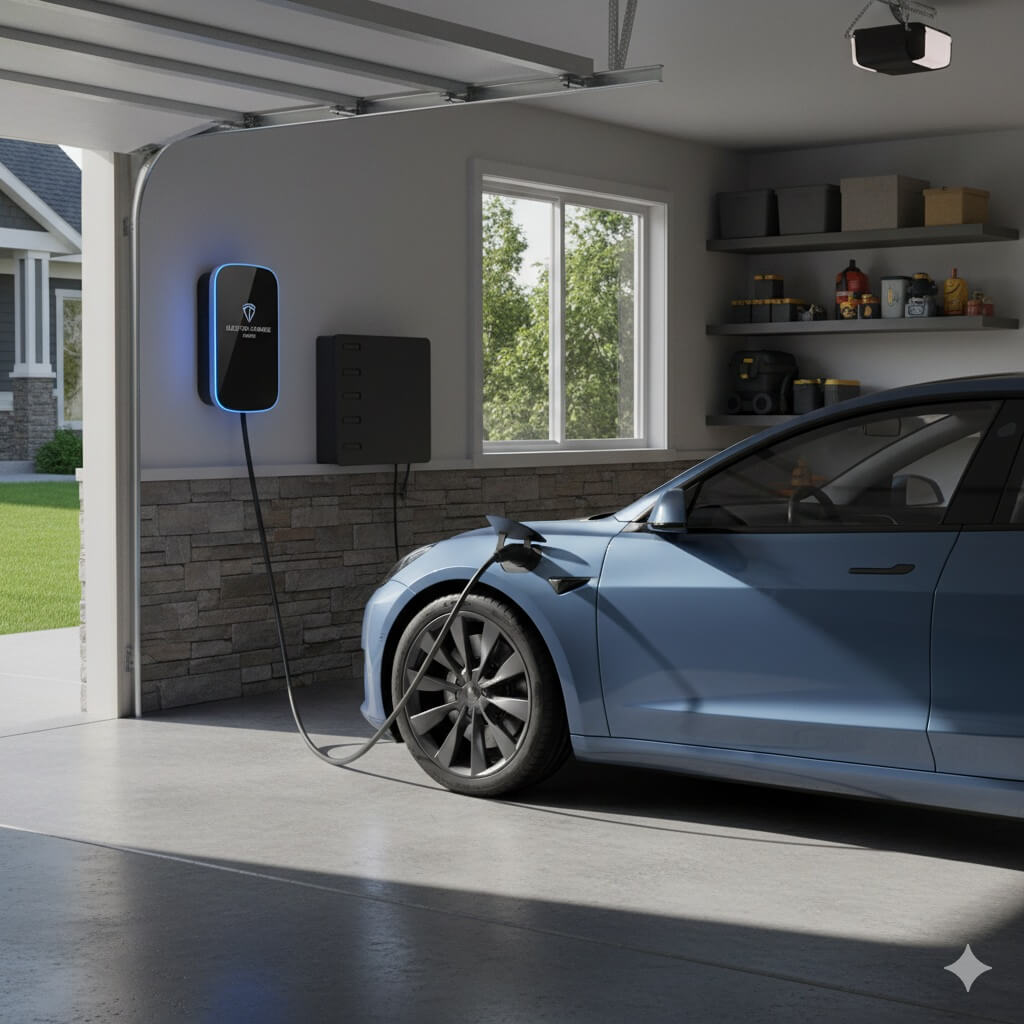
If you’re planning to install ev charger at home, you absolutely need a licensed electrician. The power requirements, safety considerations, and code compliance issues make this a clear-cut professional job.
Repairing Electrical Issues
If you’re experiencing:
- Frequently tripping breakers
- Flickering lights
- Burning smells near outlets or panels
- Warm or discolored outlets
- Sparking or buzzing sounds
These indicate serious problems requiring professional electrician diagnosis and repair. DIY troubleshooting can mask symptoms without addressing root causes—or make dangerous situations worse.
Aluminum Wiring Remediation
Homes built between 1965-1973 often have aluminum wiring, which poses fire risks. Working with aluminum wiring requires specialized knowledge and techniques—never attempt DIY repairs.
Knob-and-Tube Wiring
If your older home in Boston, Philadelphia, Chicago, or San Francisco has knob-and-tube wiring, any work on these systems requires professionals familiar with this obsolete wiring method.
The Hidden Costs of DIY Electrical Work
Many homeowners choose DIY to save money, but this calculation often overlooks hidden costs:
Time Investment
Professional electricians complete in hours what takes homeowners days or weeks—time you could spend on work, family, or activities you actually enjoy.
Tool and Material Costs
Electrical work requires specialized tools: voltage testers, wire strippers, fish tape, conduit benders, and more. Quality tools easily cost hundreds of dollars for one-time use.
Multiple Store Trips
DIY projects typically require 3-4 trips to home improvement stores for forgotten items or incorrect purchases. Factor in time, gas, and frustration.
Correcting Mistakes
When DIY goes wrong, you’ll ultimately pay a professional to fix your work plus the original problem. This often costs more than hiring a professional initially.
Permit and Inspection Costs
If you can even obtain permits as a homeowner (many jurisdictions don’t allow this), you’ll pay permit fees plus face inspection scrutiny that licensed electricians navigate easily.
Insurance Implications
If DIY electrical work causes a fire and your insurance company discovers unpermitted work, they may deny your claim—leaving you with catastrophic out-of-pocket costs.
Reduced Home Value
When selling your home in competitive markets like Seattle, San Diego, Los Angeles, or Miami, home inspectors will identify non-professional electrical work. This can:
- Reduce your home’s value
- Scare away potential buyers
- Require expensive corrections before closing
- Delay or kill the sale entirely
Why Licensed Electricians Matter
What exactly does “licensed electrician” mean, and why does it matter?
Rigorous Training and Experience
Licensed electricians typically complete:
- 4-5 years of apprenticeship (8,000+ hours of supervised work)
- Extensive classroom education
- Comprehensive examinations
- Continuing education requirements
This training covers electrical theory, safety practices, code compliance, troubleshooting, and hands-on installation techniques you can’t learn from YouTube videos.
Code Knowledge
The National Electrical Code (NEC) is updated every three years and contains hundreds of pages of technical requirements. Licensed electricians stay current with these codes plus local amendments specific to Los Angeles, New York, Houston, Phoenix, and wherever they work.

Proper Permitting and Inspections
Licensed electricians:
- Know which projects require permits
- Handle permit applications and fees
- Ensure work passes inspections on the first attempt
- Understand inspector expectations and requirements
Liability Insurance
Professional electricians carry liability insurance protecting you if something goes wrong. DIY projects leave you personally liable for any damages or injuries.
Warranty Protection
Many electrical components and systems carry warranties that are voided if installation isn’t performed by licensed professionals. This is particularly relevant for expensive items like EV chargers, whole-home surge protectors, and smart electrical panels.
Safety Standards
Licensed electricians follow OSHA safety regulations, use appropriate personal protective equipment, and employ safe work practices that minimize risk to themselves and your property.
The Cost vs. Value Equation
Yes, hiring a licensed electrician costs more upfront than DIY. But consider the value you receive:
Typical Electrician Costs:
- Service call: $75 – $150
- Hourly rate: $50 – $150 (varies by location and complexity)
- Outlet installation: $100 – $200 per outlet
- Light fixture installation: $100 – $300
- Circuit installation: $200 – $500
- Smoke detector installation cost: $150 – $300 per detector (hardwired)
- Electrical panel upgrade: $2,000 – $6,000
- EV charger installation cost: $1,000 – $3,000 (not including panel upgrades)
While these numbers might seem high compared to DIY, they include:
- Professional expertise and efficiency
- Proper permits and inspections
- Code-compliant work
- Liability coverage
- Warranty protection
- Peace of mind that work is safe and legal
Finding the Right Licensed Electrician
Whether you’re in Chicago, Atlanta, Dallas, Denver, or searching for an “ev charger installer near me” anywhere in the United States, here’s how to find qualified professionals:
Verify Licensing
Every state licenses electricians. Verify credentials through your state’s licensing board. In California (Los Angeles, San Diego, San Francisco), check with the Contractors State License Board. In Texas (Houston, Dallas, Austin), verify through the Texas Department of Licensing and Regulation.
Check Insurance
Confirm the electrician carries both liability insurance and workers’ compensation coverage. Request certificates of insurance.
Read Reviews and References
Check Google reviews, Yelp, Better Business Bureau ratings, and ask for references from recent customers with similar projects.
Get Multiple Quotes
Obtain at least three written estimates for major projects like panel upgrades or ev charger installation. Compare not just price, but scope of work, materials, timeline, and warranty terms.
Ask About Permits
Professional electricians should automatically discuss permit requirements for your project. If they suggest skipping permits to save money, that’s a major red flag.
Verify Experience with Your Specific Project
If you need home ev charger installation, confirm the electrician has experience with EV chargers, understands various charger models, and can handle any necessary panel upgrades.
Get Everything in Writing
Professional electricians provide detailed written estimates and contracts specifying:
- Scope of work
- Materials and equipment
- Labor costs
- Permit fees
- Timeline
- Payment schedule
- Warranty terms
Common DIY Mistakes Professionals See
At Volta Electric, we frequently correct these common DIY electrical mistakes:
Incorrect Wire Gauge
Using wire that’s too small for the circuit amperage causes overheating and fire risk. This is especially dangerous with high-draw circuits like those needed when you install ev charger at home.
Improper Junction Box Usage
Splicing wires without approved junction boxes, or burying junction boxes behind drywall (they must remain accessible), violates code and creates fire hazards.
Wrong Outlet Types for Locations
Failing to install GFCI outlets in bathrooms, kitchens, and outdoor locations creates serious shock hazards.
Backstabbing Connections
Using push-in wire connections (backstabs) instead of proper wire nuts or screw terminals creates loose connections that overheat and cause fires.
Overloaded Circuits
Adding too many outlets or devices to existing circuits overloads the wiring and breakers, creating fire risk.
Missing or Improper Grounding
Failing to properly ground outlets and fixtures eliminates critical safety protection against electrical faults.
Mixing Wire Types
Connecting copper and aluminum wires without proper connectors causes corrosion and connection failure.
Inadequate Box Fill
Cramming too many wires into electrical boxes violates code and creates fire hazards from heat buildup.
Special Considerations for EV Charger Installation
Given the growing popularity of electric vehicles, many homeowners in Los Angeles, San Francisco, Seattle, and across the United States are considering EV charger installation. This project definitively requires licensed professional electricians.
Why EV Chargers Aren’t DIY:
Level 2 home chargers require:
- 240-volt dedicated circuit with 40-60 amp capacity
- Proper load calculation to ensure your panel can handle the additional draw
- Often, electrical panel upgrades from 100-amp to 200-amp service
- GFCI protection
- Correct wire gauge based on distance from panel
- Weatherproof installation for many locations
- Compliance with NEC Article 625 and local codes
- Inspection and approval
The complexity and power requirements make this strictly professional territory. When researching ev charger installation cost, factor in panel upgrades if your home has inadequate capacity—attempting to install a charger on an insufficient system will fail inspection and create safety hazards.
Making the Right Decision
Here’s a simple decision tree to help determine if electrical work is DIY-appropriate:
Answer these questions:
- Does the project require a permit? (If yes → hire professional)
- Does it involve work inside the electrical panel? (If yes → hire professional)
- Does it involve new circuits or wiring? (If yes → hire professional)
- Is it a 240-volt circuit? (If yes → hire professional)
- Are you comfortable working with live electricity? (If no → hire professional)
- Do you have proper safety equipment and testing tools? (If no → hire professional)
- Do you understand electrical codes? (If no → hire professional)
- Will mistakes create safety hazards? (If yes → hire professional)
If you answered “hire professional” to any question, that’s your answer.
The Volta Electric Promise
At Volta Electric, we serve homeowners throughout Los Angeles and Southern California. We understand the temptation to DIY, and we respect homeowners who carefully assess their capabilities.
But we also see the consequences when DIY goes wrong. That’s why we offer:
Free Consultations: Not sure if your project requires professional help? Call us. We’ll give you honest advice—even if it means telling you that your project is appropriate for DIY.
Transparent Pricing: We provide detailed written estimates so you understand exactly what you’re paying for and why.
Licensed, Insured Professionals: Our electricians have the training, experience, and credentials to handle any electrical project safely and legally.
Quality Workmanship: We stand behind our work with a 2-year labor warranty and our reputation in the communities we serve.
Code Compliance: We handle all permits, ensure code compliance, and coordinate inspections so your work is legal and safe.
Protect Your Home and Family
Electrical work isn’t the place to learn by trial and error. The consequences of mistakes are simply too severe: fires, injuries, deaths, property damage, code violations, insurance issues, and expensive corrections.
If you’re considering any electrical project beyond the simplest tasks, contact a licensed electrician. The cost is reasonable, the value is substantial, and your safety is priceless.
Ready to Discuss Your Electrical Project?
Whether you need smoke detector installation, electrical panel upgrade, home ev charger installation, or any other electrical work, Volta Electric’s licensed electricians are ready to help.
We serve homeowners throughout major US metropolitan areas with professional electrical services you can trust. Don’t risk DIY disasters—get professional help from the start.
We specialize in:
- Electrical panel upgrades and service increases
- EV charger installation (including panel upgrades)
- Circuit installation and modification
- Outlet and switch installation/upgrades
- Lighting installation
- Whole-home electrical safety assessments
- Code compliance and permit management
- Emergency electrical repairs
Call Volta Electric today for your free consultation and honest assessment of your electrical project needs.