Few household issues are as frustrating as repeatedly resetting a tripped breaker. Whether you’re in the middle of preparing dinner, working from home, or simply trying to enjoy a movie, that sudden loss of power disrupts everything. While an occasional tripped breaker might not seem alarming, frequent trips signal underlying electrical problems that demand attention.
Understanding why breakers trip and recognizing when your electrical system needs professional intervention can save you from potential hazards, property damage, and costly emergency repairs. This comprehensive guide explores the common causes behind tripping breakers, how to identify serious electrical problems, and when your home might need an electrical service upgrade.
Understanding How Circuit Breakers Work

Before diving into troubleshooting, it helps to understand what circuit breakers actually do. Circuit breakers serve as the safety guardians of your home’s electrical system. They automatically shut off power flow when they detect dangerous conditions like overloads, short circuits, or ground faults.
Your breaker panel, also called an electrical panel or fuse box in older homes, distributes electricity from the main service line to various circuits throughout your house. Each breaker monitors a specific circuit and trips when electrical current exceeds safe levels. This protective mechanism prevents wires from overheating, which could otherwise lead to electrical fires.
Modern homes typically have 100-amp, 150-amp, or 200-amp service panels. The amperage rating indicates how much total electrical current your panel can safely handle. As homes have added more power-hungry appliances and devices over the decades, many older homes with smaller service panels struggle to meet modern electrical demands.
Common Reasons Why Breakers Keep Tripping
Circuit Overload: The Most Frequent Culprit
Circuit overload happens when you draw more electricity through a circuit than it was designed to handle. Think of it like trying to pour a gallon of water through a straw—the system simply cannot accommodate the demand.
Modern households face increasing electrical load capacity challenges. Consider a typical living room circuit rated for 15 amps. When you simultaneously run a space heater (1,500 watts), a large television (400 watts), a gaming console (150 watts), and a laptop charger (60 watts), you’re pulling roughly 17.5 amps through a 15-amp circuit. The breaker trips to prevent the wiring from overheating.
Common overload scenarios include:
Running multiple high-wattage appliances on the same circuit, such as a microwave and coffee maker in the kitchen or a hair dryer and curling iron in the bathroom. These appliances individually draw significant power, and using them together exceeds circuit capacity.
Plugging too many devices into power strips connected to a single outlet. While power strips provide additional outlets, they don’t increase the circuit’s capacity. Homeowners often make the mistake of thinking more outlets mean more available power.
Using extension cords for permanent solutions instead of installing additional circuits. Extension cords are designed for temporary use and can create additional resistance that heats up when carrying high loads over time.
Short Circuits: A More Serious Problem
Short circuits occur when a hot wire touches a neutral wire, creating a path of least resistance that allows massive current flow. This condition generates significant heat almost instantly and poses a serious fire risk. Breakers trip immediately when detecting short circuits because the current spike can be ten times higher than normal operating levels.
You can often identify a short circuit by examining the breaker itself. Look for black marks, burning smells, or discoloration on the breaker or panel. These signs indicate arcing or overheating occurred before the breaker tripped.
Short circuits happen for several reasons. Damaged wire insulation from age, pests, or physical damage exposes conductors that may contact each other. Loose electrical connections can allow wires to shift and touch inappropriately. Faulty appliances with internal wiring problems can create short circuits that travel back through your home’s electrical system.
If you suspect a short circuit, never reset the breaker without identifying and correcting the cause. Each time you reset a breaker with an unresolved short circuit, you risk fire or equipment damage.
Ground Fault Issues
Ground fault problems resemble short circuits but involve the hot wire contacting the ground wire or a grounded metal surface. These faults commonly occur in areas with moisture—bathrooms, kitchens, basements, and outdoor outlets.
Ground Fault Circuit Interrupter (GFCI) outlets and breakers provide enhanced protection in wet locations. They detect tiny imbalances in current flow between hot and neutral wires and trip within milliseconds. While GFCI devices trip more sensitively than standard breakers, they’re specifically designed to prevent electrical shock in areas where water and electricity might mix.
Ground faults can stem from water infiltration into electrical boxes, damaged outdoor wiring exposed to weather, or appliances with compromised insulation allowing current to escape through metal housings.
Outdated Electrical Panels and Insufficient Capacity
Many homes built before 1990 have outdated electrical panels that struggle with contemporary power demands. If your home still has a 60-amp or 100-amp service panel, you’re likely experiencing frequent tripping because your electrical infrastructure simply wasn’t designed for today’s lifestyles.
Consider how electrical usage has evolved. Homes built in the 1960s and 1970s had fewer appliances, no computers, no home entertainment systems, and minimal air conditioning in many regions. Today’s homes have multiple televisions, computers, smart home devices, electric vehicle chargers, high-efficiency HVAC systems, and countless other electronics.
An old electrical panel replacement becomes necessary when your home’s power demands exceed available capacity. Warning signs include lights dimming when appliances start, breakers tripping regularly even with normal usage, buzzing sounds from the panel, or visible rust and corrosion on panel components.
Federal Pacific Electric (FPE) and Zinsco panels, common in homes built between 1950 and 1980, have documented safety issues. These brands have high failure rates where breakers don’t trip when they should, creating serious fire hazards. Homeowners with these panels should prioritize replacement regardless of whether they’re experiencing tripping issues.
Recognizing When You Need an Electrical Service Upgrade

Understanding the difference between a nuisance trip and a systemic electrical problem helps homeowners make informed decisions about repairs versus upgrades.
Signs Your Home Needs a Breaker Panel Upgrade
Frequent breaker trips despite distributing loads across different circuits indicate your panel lacks sufficient capacity. If you’ve already tried plugging appliances into different outlets throughout your home and still experience trips, your total household demand likely exceeds your service panel’s rating.
Physical panel deterioration demands immediate attention. Rust, corrosion, burn marks, or moisture inside the panel create dangerous conditions. Panels installed in garages, basements, or exterior walls are particularly vulnerable to environmental damage over time.
Flickering or dimming lights when appliances cycle on suggest voltage drops from inadequate service capacity. While voltage fluctuations can stem from utility company issues, they more commonly indicate your service entrance and panel can’t maintain steady power delivery under load.
Inability to install new circuits for home improvements or additions clearly signals capacity limitations. If your panel has no available spaces for new breakers, or if adding another circuit would exceed your service rating, you need an electrical panel upgrade cost evaluation.
The Reality of Modern Electrical Demands
Today’s homes consume dramatically more electricity than those built just 20-30 years ago. Electric vehicle charging alone can add 40-50 amps of demand. High-efficiency heat pumps, while more economical to operate, often require dedicated 40-60 amp circuits. Home offices with multiple computers, monitors, and peripherals add continuous loads.
Smart home technology, while individually low-power, accumulates significant demand across dozens of devices. Central HVAC systems, especially in regions with hot summers like Southern California, represent major loads. Kitchen remodels with professional-grade appliances can require multiple dedicated 20-amp circuits.
A 100-amp service panel that adequately served a home in 1980 simply cannot safely meet these expanded demands. The National Electrical Code (NEC) allows you to calculate total connected load, but most electricians recommend a 200 amp panel upgrade cost evaluation for homes undergoing significant renovations or experiencing capacity issues.
The Electrical Panel Upgrade Process
Understanding what’s involved in an electrical service upgrade helps homeowners plan appropriately for this important investment.
Assessment and Load Calculation
A qualified Los Angeles electrician or Pasadena electrician begins by calculating your home’s total electrical load. This analysis considers existing circuits, planned additions, future needs, and safety margins. Professional load calculations account for continuous loads (like HVAC and refrigerators) and demand factors based on statistical usage patterns.
The electrician also inspects your service entrance—the point where utility power enters your home. Some upgrades require only panel replacement, while others need complete service entrance upgrades including new meter bases, service conductors, and weatherheads.
Permitting and Code Compliance
California electrical codes require permits for panel upgrades and replacements. Working with a licensed electrician near me ensures proper permitting and code compliance. The panel upgrade permit cost varies by jurisdiction but typically ranges from 200 to 500 dollars depending on location and scope.
Permit requirements exist for important safety reasons. Inspections verify proper installation techniques, appropriate wire sizing, correct grounding and bonding, and compliance with current codes. Permitted work provides documentation for insurance purposes and adds value during home sales.
Some jurisdictions in Los Angeles County require electrical service upgrades to include whole-house surge protection, arc-fault circuit interrupters (AFCIs) on bedroom circuits, and other modern safety features. These requirements increase electrical panel replacement cost but provide valuable protection.
Installation Timeline and Considerations
Panel upgrades typically require four to eight hours for straightforward replacements in accessible locations. More complex projects involving service entrance upgrades, subpanel installations, or extensive circuit rewiring take longer—sometimes multiple days.
Your electricity will be shut off during portions of the installation. Electricians coordinate with utility companies to disconnect and reconnect service. Plan for a four to eight-hour outage, though electricians minimize downtime when possible.
Home remodeling electrical upgrades often coincide with panel work. If you’re planning kitchen renovations, room additions, or bathroom remodels, addressing electrical capacity first provides proper infrastructure for these improvements.
Cost Factors for Panel Upgrades
Several variables influence electrical panel upgrade cost, making it important to obtain detailed quotes from licensed professionals.
Panel Amperage and Type
The 200 amp panel upgrade cost typically ranges from 2,000 to 4,500 dollars for straightforward replacements. This includes the panel itself, labor, permits, and basic materials. Premium panels with additional features like built-in surge protection or more circuit positions cost more.
Upgrading from 100 to 200 amps represents the most common scenario for older homes. Some situations require only 150-amp service, while others—particularly homes with electric vehicle charging and extensive remodels—benefit from 400-amp service.
Service Entrance Work
If your service entrance requires upgrading alongside your panel, costs increase significantly. Service entrance upgrades include new meter bases, service conductors (the large cables running from the utility connection to your panel), weatherheads, and conduit. This work adds 1,500 to 3,500 dollars to the project.
Utility company requirements also affect costs. Some utilities require trenching for underground service lines or new pole connections. Coordinating utility work adds time and expense but ensures proper connection to grid infrastructure.
Location and Accessibility
Panel locations significantly impact installation costs. Panels in easily accessible garages or utility rooms with adequate working clearance cost less to upgrade. Panels in cramped spaces, finished basements, or locations requiring drywall removal and repair increase labor time and material costs.
California electrical codes specify clearance requirements around panels. If your existing panel doesn’t meet current clearance standards, relocation might be necessary. Panel relocation adds 1,000 to 3,000 dollars depending on the distance and complexity of rerouting circuits.
Geographic Factors
A panel upgrade Los Angeles costs generally runs higher than in less urban areas due to labor rates, permitting costs, and the complexity of working in developed neighborhoods. Specific municipalities like panel upgrade Santa Monica or upgrades in Pasadena may have different permit fees and inspection requirements.
Urban areas often have older infrastructure, making service entrance work more complex. Older homes in established neighborhoods may have outdated grounding systems requiring remediation. These factors contribute to geographic cost variations.
Additional Required Upgrades
Safety inspections during panel upgrades sometimes reveal other electrical issues requiring attention. Aluminum wiring issues, common in homes built between 1965 and 1973, pose fire risks and typically need remediation when discovered. Knob-and-tube wiring, while not immediately dangerous if undisturbed, cannot safely handle modern loads.
Inadequate grounding systems must be corrected to meet code. Older panels sometimes lack proper bonding between neutral and ground, or have insufficient grounding electrodes. These corrections add to project costs but dramatically improve safety.
Special Considerations for Older Homes

Homes built before modern electrical codes present unique challenges that affect upgrade projects.
Fuse Box to Breaker Box Upgrade
Many older homes still have fuse boxes rather than breaker panels. A fuse box to breaker box upgrade involves more than simple panel replacement—it often requires complete service entrance modernization.
Fuse boxes typically indicate 60-amp or 100-amp service, insufficient for contemporary needs. These systems lack modern safety features like GFCI and AFCI protection. Fuses themselves require replacement when they blow, unlike breakers that simply reset.
Upgrading from fuses to breakers typically costs 2,500 to 5,000 dollars, depending on the extent of service entrance work required. This investment eliminates the inconvenience of replacing fuses while dramatically improving safety and capacity.
Aluminum Wiring Remediation
Homes built between 1965 and 1973 often contain aluminum branch circuit wiring. Aluminum wiring presents several challenges: it expands and contracts more than copper with temperature changes, creating loose connections; it oxidizes at connection points, increasing resistance; and it’s mechanically softer, making proper connections more difficult.
Aluminum wiring issues don’t necessarily require complete rewiring. CPSC-approved remediation methods include installing special connectors at outlets and switches, or pig-tailing copper conductors to aluminum wires using approved crimping methods.
When performing panel upgrades on homes with aluminum wiring, electricians use special procedures to ensure safe connections at the panel. This typically adds 500 to 1,500 dollars to upgrade costs depending on the number of circuits involved.
Knob-and-Tube Wiring
Knob-and-tube wiring, used in homes built before 1950, consists of individual insulated conductors supported by ceramic knobs and running through ceramic tubes where passing through framing members. This wiring method lacks a ground conductor and has insulation that deteriorates over time.
While knob-and-tube wiring can remain functional, it cannot be extended or modified to supply modern loads. Most insurance companies refuse coverage or charge significant premiums for homes with active knob-and-tube wiring.
Panel upgrades on homes with extensive knob-and-tube wiring often include circuit-by-circuit replacement with modern Romex cable. This substantially increases costs but may be necessary for safety, insurance coverage, and practical electrical capacity.
Making the Right Decision: Repair vs. Replace
Homeowners face decisions about whether to address immediate tripping issues with repairs or invest in comprehensive panel upgrades.
When Repairs Are Appropriate
If your panel has adequate capacity and is relatively modern (less than 25 years old), and you’re experiencing tripping due to a specific faulty breaker, overloaded circuit, or appliance problem, targeted repairs make sense.
Adding a dedicated circuit for a high-draw appliance costs 300 to 800 dollars depending on distance and complexity. Replacing a single failed breaker costs 100 to 300 dollars. Relocating appliances to different circuits or redistributing loads solves many overload situations without major infrastructure changes.
Safety inspection for panel upgrade purposes can reveal that your existing panel has adequate capacity but needs minor corrections like improved grounding, tightened connections, or individual breaker replacement. These repairs cost significantly less than full replacement while addressing immediate safety concerns.
When Upgrades Are Necessary
If your panel is 30-plus years old, shows signs of physical deterioration, or simply lacks capacity for your household needs, upgrade rather than repair. Investing in repairs for a panel that’s fundamentally inadequate or unreliable wastes money that should go toward proper infrastructure.
Homes undergoing major remodels should address electrical capacity proactively. Adding square footage, kitchen upgrades, bathroom additions, or converting garages to living space all increase electrical demands. Planning electrical upgrades during construction phases reduces costs compared to adding capacity after completion.
Purchasing a home with known electrical deficiencies justifies immediate panel upgrades. Many home inspections reveal outdated panels, insufficient capacity, or safety hazards that should be addressed before occupancy. Including panel upgrade costs in your purchase negotiations protects your investment and ensures safety.
Finding the Right Electrical Professional

Panel upgrades represent significant investments in your home’s safety and functionality. Choosing qualified professionals ensures proper installation and long-term reliability.
Licensing and Qualifications
California requires electrical contractors to hold state licenses. C-10 licenses specifically cover electrical work. Always verify your electrician holds current licensing by checking the California Contractors State License Board (CSLB) website.
Licensed electricians carry insurance protecting homeowners from liability for injuries or property damage during work. They understand California electrical codes and stay current with code changes through required continuing education.
Experience with panel upgrades specifically matters. While all licensed electricians receive general training, those specializing in residential service work have more expertise with panels, service entrances, and load calculations. Ask potential contractors about their specific experience with panel upgrades in homes similar to yours.
Getting Accurate Estimates
Quality electrical contractors provide detailed written estimates specifying panel specifications, amperage rating, included permits, warranty terms, and timeline. Avoid contractors offering quotes without inspecting your existing system—accurate estimates require on-site evaluation.
Obtain multiple estimates to understand fair market pricing, but don’t automatically choose the lowest bid. Extremely low quotes often indicate corners being cut, inferior materials, or contractors lacking proper licensing and insurance.
Ask about payment schedules. Reputable contractors typically require a deposit to purchase materials, with the balance due upon completion and inspection approval. Be wary of contractors demanding full payment upfront.
Questions to Ask
What specific panel brand and model will be installed? Quality matters—panels from reputable manufacturers like Square D, Eaton, Siemens, or GE offer better reliability than economy brands.
Will the work include updated grounding and bonding systems? Modern code requirements specify grounding electrode systems, bonding jumpers, and proper neutral connections. Verify these elements are included in your quote.
How will existing circuits be labeled? Proper circuit identification is required by code and essential for future troubleshooting. Quality installers provide clear labeling identifying what each breaker controls.
What warranties cover the work? Most electrical contractors warranty their labor for one year, while panel manufacturers provide warranties on the equipment itself. Understand what’s covered and for how long.
Local Expertise Matters
Working with established local contractors offers advantages. Local electricians understand jurisdiction-specific requirements, have relationships with local inspectors, and know common challenges in area homes.
A Los Angeles electrician familiar with the region understands earthquake bracing requirements, specific Los Angeles Department of Building and Safety protocols, and typical electrical configurations in local homes. Similarly, electricians serving Santa Monica, Pasadena, or other specific communities bring localized expertise.
Established local businesses have reputations to protect. They’re available for warranty service and future electrical needs. Building a relationship with a trusted local electrician provides peace of mind and a resource for ongoing home maintenance.
Preventive Measures and Maintenance

While panel upgrades address capacity and safety issues, proper electrical system maintenance prevents many problems.
Reducing Circuit Overloads
Distribute high-wattage appliances across multiple circuits. Don’t plug space heaters, window air conditioners, or other high-draw devices into power strips or extension cords—use dedicated wall outlets.
Consider timing appliance usage. In kitchens, avoid running the microwave while the coffee maker and toaster operate simultaneously. In bathrooms, use hair dryers and heated styling tools separately rather than simultaneously.
Upgrade to more energy-efficient appliances. Modern LED lighting, energy-efficient refrigerators, and high-efficiency HVAC systems reduce electrical load capacity demands while lowering utility bills.
Regular Panel Inspection
Inspect your electrical panel annually for signs of problems. Look for rust, corrosion, moisture, unusual sounds like buzzing or humming, burning smells, or discoloration around breakers. Any of these signs warrant professional inspection.
Test GFCI and AFCI breakers monthly using their test buttons. These devices should trip when tested and reset normally. If they don’t respond correctly, replacement is necessary.
Keep the area around your panel clear. Code requires 36 inches of clearance in front of panels and 30 inches of side-to-side clearance. Don’t store items that block panel access or violate these clearances.
Recognizing Warning Signs Early
Don’t ignore repeated breaker trips. While one-time trips can occur from lightning strikes or utility fluctuations, frequent trips indicate problems needing attention.
Warm or hot outlets, light switches that spark or make sounds, and outlets that don’t firmly hold plugs all suggest wiring problems. These issues warrant professional inspection before they escalate to failures or hazards.
Unexplained increases in electricity bills might indicate problems like loose connections creating resistance, or circuits operating inefficiently due to voltage imbalances. An electrical system evaluation can identify these issues.
The Value of Professional Electrical Work
While modern homes offer DIY opportunities in many areas, electrical work—especially panel upgrades—requires professional expertise.
Safety Considerations
Working inside electrical panels exposes you to potentially lethal voltages. Even when the main breaker is off, service entrance conductors remain energized. Only qualified electricians should work on panels and service entrances.
Improper electrical work causes an estimated 51,000 home fires annually in the United States. These fires result in hundreds of deaths, thousands of injuries, and billions in property damage. Professional installation following code requirements prevents these tragedies.
Modern panels incorporate safety features like GFCI protection, AFCI protection, and surge suppression. Proper implementation of these technologies requires training and experience. DIY electrical work often lacks these critical safety elements.
Code Compliance and Permits
Unpermitted electrical work creates significant problems. Insurance companies may deny claims for losses related to unpermitted electrical work. When selling your home, unpermitted work can kill sales or require correction before closing.
Code requirements exist for proven safety reasons. Proper wire sizing prevents overheating. Correct grounding provides paths for fault current. Appropriate overcurrent protection prevents fires. Professional electricians understand and implement these requirements.
Permitted work includes inspections by qualified code officials. These inspections catch errors before they cause problems. Inspection approval provides confidence that work meets safety standards.
Long-term Value
Professional panel upgrades typically include warranties covering both materials and labor. If problems arise, you have recourse through the contractor. DIY work or unlicensed contractors offer no such protection.
Proper electrical infrastructure adds value to your home. During home sales, documented electrical upgrades with permits and inspection approvals reassure buyers about safety and reliability. This documentation often justifies higher sale prices.
Adequate electrical capacity enables future improvements without additional major expenses. Installing sufficient capacity now avoids expensive subsequent upgrades when you want to add appliances, remodel, or make other changes.
Planning for Future Electrical Needs
When investing in panel upgrades, consider not just current needs but anticipated future requirements.
Electric Vehicle Charging
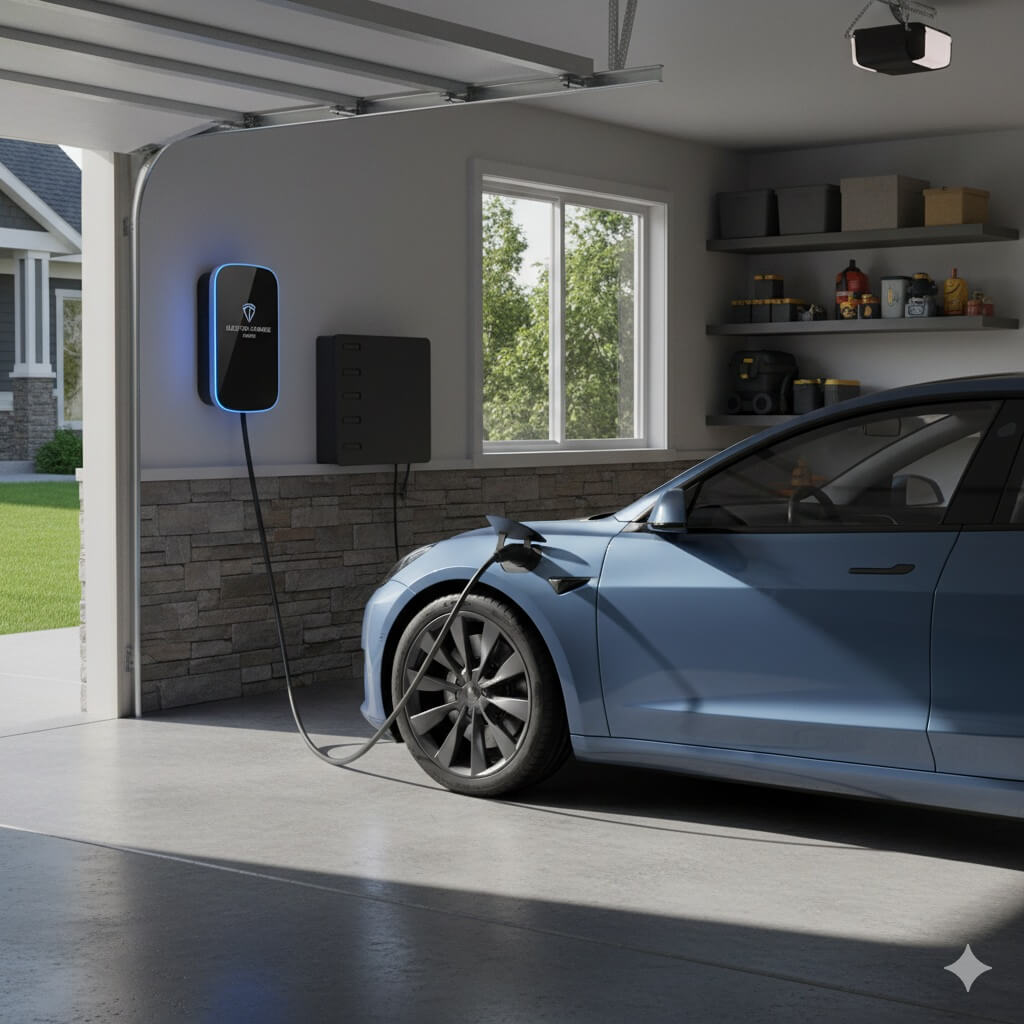
Electric vehicle adoption continues accelerating. Level 2 home charging stations typically require dedicated 40-50 amp circuits. If you might purchase an electric vehicle within the next decade, include sufficient capacity in your panel upgrade.
Some municipalities now require EV-ready infrastructure in new construction and major renovations. Even if not required, installing conduit and oversizing your panel to accommodate future EV charging costs relatively little during initial upgrades compared to subsequent modifications.
Home Additions and Renovations
If you’re considering future home expansions, plan electrical capacity accordingly. Adding square footage typically requires 10-15 amps per 500 square feet. Kitchen and bathroom renovations demand additional dedicated circuits for appliances.
Pool or spa installations require substantial electrical capacity—typically 30-60 amps for pool equipment, heaters, and related systems. If these features might be added eventually, include capacity in current upgrades.
Renewable Energy Systems
Solar panel installations and battery backup systems require specific electrical infrastructure. While these systems can often work with existing panels, planning for potential future solar installation allows appropriate service configurations and simplifies eventual installation.
Some homeowners install panels with spaces reserved for solar-related circuits even if not immediately installing solar systems. This planning costs very little during initial panel work but saves significantly if solar installation occurs later.
Understanding Your Electrical System
Homeowners benefit from basic electrical system knowledge. Understanding your system helps you communicate effectively with electricians, recognize problems early, and make informed decisions.
Reading Your Panel
Circuit breakers typically have amp ratings marked on their handles—15, 20, 30, 40, 50, or 60 amps for common residential circuits. These ratings indicate the maximum current the breaker allows before tripping.
Panel circuit directories should identify what each breaker controls. Well-labeled panels specify “master bedroom outlets,” “kitchen small appliances,” or “living room lights.” If your panel lacks proper labeling, an electrician can identify and label circuits during service calls.
The main breaker rating—typically 100, 150, or 200 amps—indicates your total service capacity. This breaker controls power to the entire panel and serves as emergency shutoff capability.
Calculating Circuit Loads
Simple calculations help you understand circuit capacity. A 15-amp circuit at 120 volts provides 1,800 watts of capacity. A 20-amp circuit provides 2,400 watts. However, code requires maintaining loads below 80% of capacity for continuous use—1,440 watts for 15-amp circuits and 1,920 watts for 20-amp circuits.
Check appliance nameplates for power requirements. These labels specify voltage, amperage, or wattage. Adding up connected loads on circuits helps you identify overload situations.
Dedicated circuits serve single high-draw appliances like refrigerators, microwaves, washers, dryers, dishwashers, and garbage disposals. These circuits should serve only their designated appliance.
When to Call Professionals
Any situation involving repeated breaker trips despite distributing loads requires professional assessment. Don’t repeatedly reset breakers hoping problems resolve themselves—this risks damage or fire.
Physical panel problems like rust, moisture, burn marks, or unusual sounds demand immediate professional inspection. Don’t attempt DIY repairs on compromised panels.
Before major appliance installations or home renovations, consult electricians about electrical requirements and capacity. Planning electrical work during construction phases costs less than retrofitting later.
Repeated breaker trips frustrate homeowners and signal potential electrical problems requiring attention. While simple overloads sometimes have straightforward solutions like redistributing appliances across circuits, frequent trips often indicate deeper issues like inadequate service capacity, outdated electrical panels, or dangerous wiring conditions.
Understanding your home’s electrical system, recognizing warning signs, and knowing when to call professionals protects your home and family while ensuring reliable power for modern lifestyles. Investing in proper electrical infrastructure—whether through targeted repairs or comprehensive panel upgrades—provides safety, reliability, and capacity for current needs and future improvements.
For reliable electrical services backed by licensed experts, contact Volta Electric Inc.