Your home’s electrical system is the silent engine behind everyday life. It powers your lights, keeps your refrigerator running, charges your devices, and supports the modern conveniences you often take for granted. But like any system, it doesn’t last forever. Older wiring, undersized panels, and outdated outlets can put safety and comfort at risk.
Making the right electrical upgrades not only improves safety but also prepares your home for today’s and tomorrow’s technologies. Whether you’re adding smart devices, an EV charger, or simply tired of tripping breakers, investing in electrical improvements ensures your home is safe, efficient, and future-ready.
1. Electrical Panel Upgrade
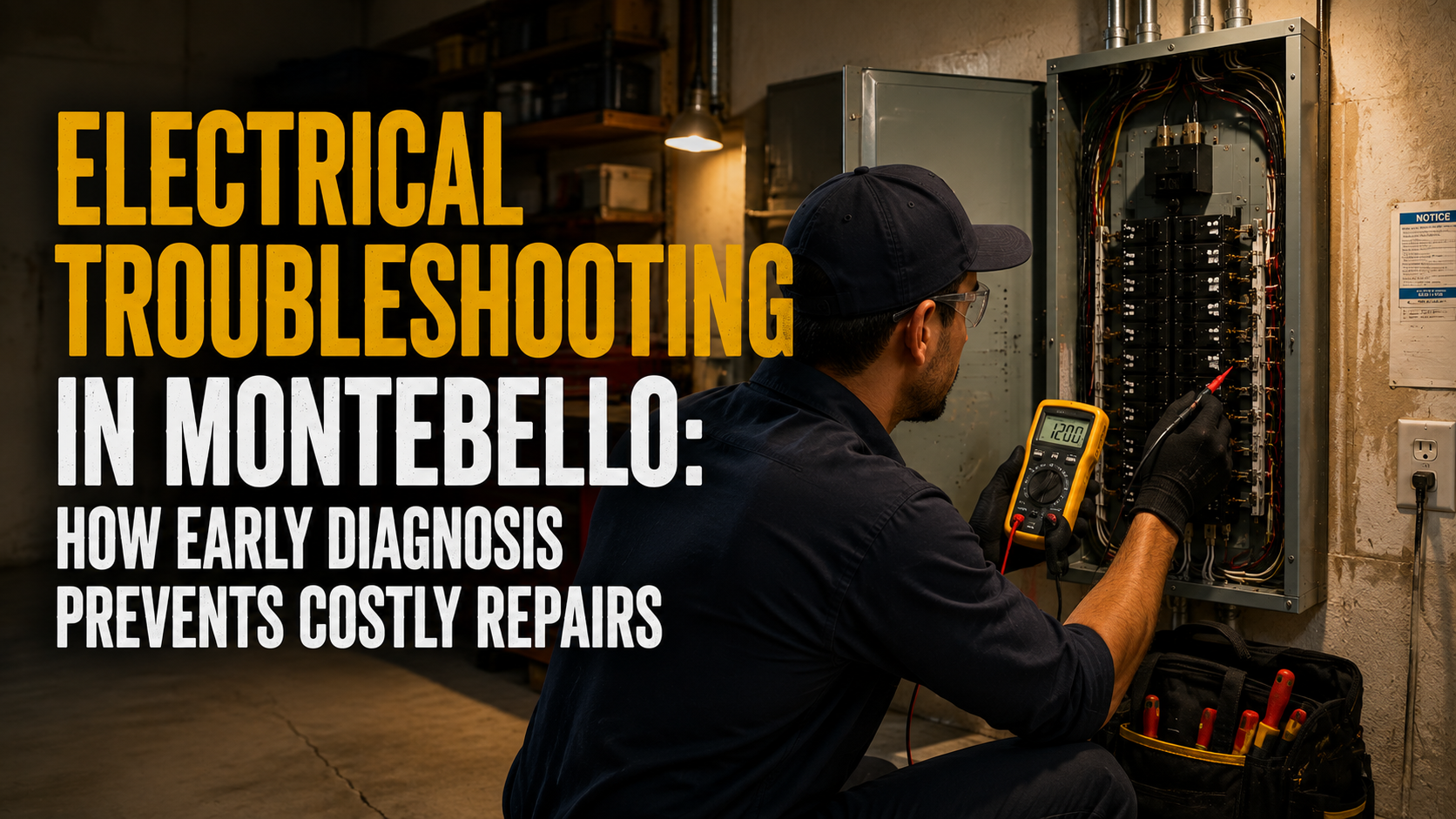
Your electrical panel is the command center of your home’s power system. It distributes electricity from the utility line to every outlet, appliance, and light fixture.
Why Upgrade?
- Older homes often have 60–100 amp panels. Today’s households, filled with devices and high-powered appliances, usually require at least 200 amp panels.
- A larger panel prevents frequent breaker trips and allows for future additions like EV chargers or hot tubs.
- Insurance companies sometimes require upgrades for coverage.
Signs You Need This Upgrade
- Flickering lights when appliances turn on.
- Frequent tripped breakers.
- Limited space for new circuits.
- Burnt or buzzing panel components.
This is not a DIY project. Electrical panels must be replaced by licensed electricians due to safety and code compliance requirements.
2. Whole-Home Surge Protection
Most people think of small power strips when they hear “surge protection.” But true protection comes from a whole-home system installed at the electrical panel.
Why Upgrade?
- Protects sensitive electronics (TVs, computers, smart appliances) from voltage spikes.
- Reduces risk of fires caused by surges.
- Essential in areas prone to storms or unstable grids (NFPA).
Considering the cost of replacing fried appliances, surge protection quickly pays for itself.
3. GFCI and AFCI Outlets
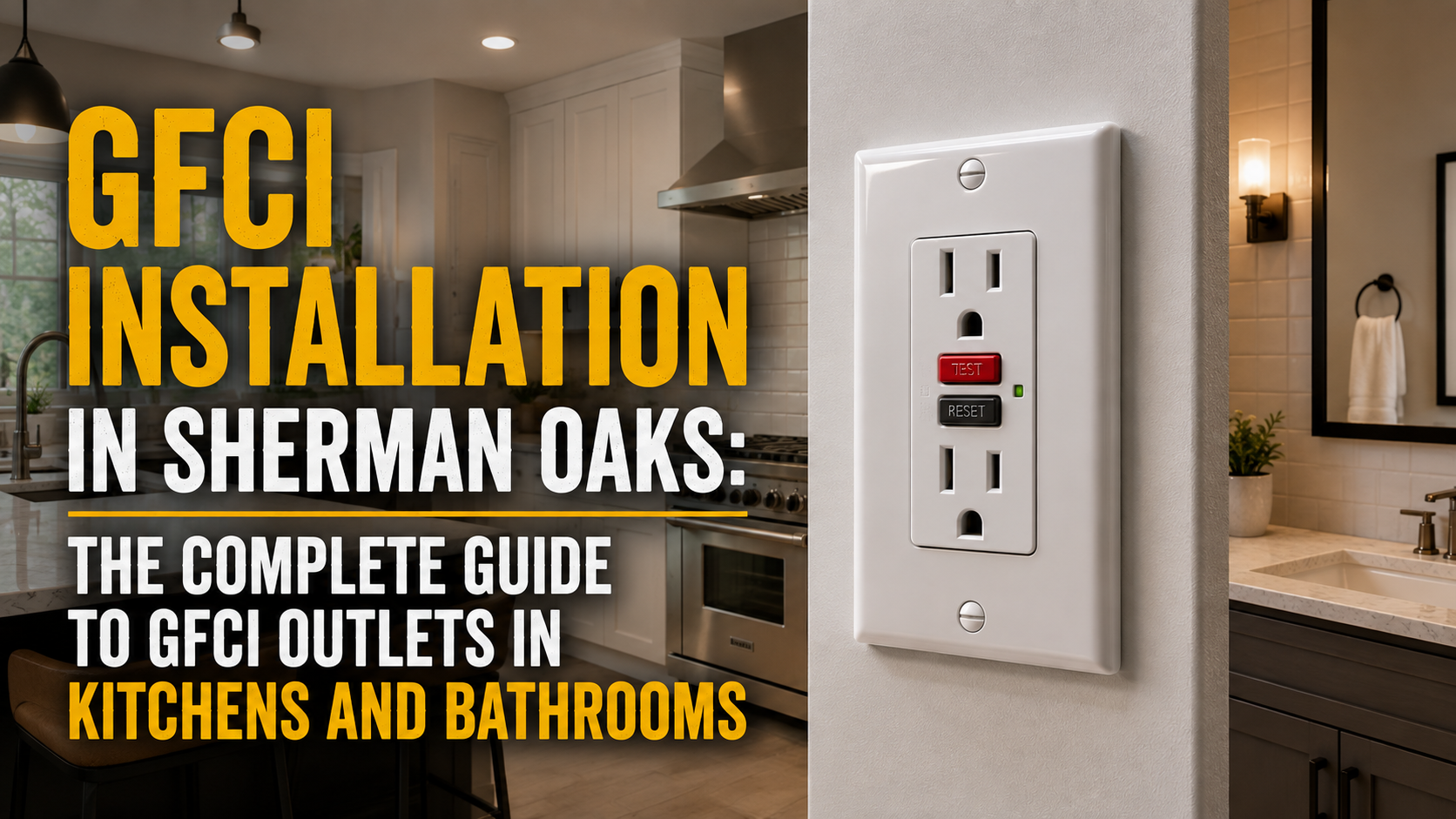
The NEC requires Ground Fault Circuit Interrupters (GFCIs) in bathrooms, kitchens, garages, laundry rooms, and outdoor areas. They protect against shock by cutting power instantly if moisture or imbalance is detected.
Arc Fault Circuit Interrupters (AFCIs), meanwhile, guard against arc fault sparks that occur when wiring is damaged or deteriorating, which can lead to fires.
Why Upgrade?
- Many older homes lack GFCIs in required locations.
- AFCIs are now standard in new builds, but missing in older wiring systems.
- Both significantly reduce risks of electrical fires and shocks (Electrical Safety Foundation International).
4. Rewiring Outdated or Aluminum Wiring
Houses built before the 1970s often used aluminum wiring, which expands and contracts more than copper. Over time, this can loosen connections, creating fire hazards. Even homes with early copper wiring may have degraded insulation or improper splicing.
Why Upgrade?
- Rewiring ensures consistent power delivery.
- Eliminates dangerous hot spots in walls.
- Brings your system up to modern code standards.
Though full rewiring is a major investment, it’s critical for long-term safety and home value.
5. Adding Dedicated Circuits for Appliances
Large appliances like refrigerators, microwaves, washers, dryers, and HVAC units should have their own dedicated circuits.
Why Upgrade?
- Prevents overloads on general-use circuits.
- Reduces tripped breakers when multiple appliances run simultaneously.
- Provides safer operation and longer appliance life (HomeAdvisor).
If you’re planning to add an EV charger or a high-powered range, a dedicated circuit is absolutely essential.
6. Upgrading to Modern Outlets and Switches
Outlets do far more than deliver power. Modern designs integrate safety and convenience features that improve your home’s functionality.
Options Worth Considering
- Tamper-resistant outlets: Required by code in new builds, they protect children from shocks.
- USB outlets: Perfect for device charging without bulky adapters.
- Smart outlets and switches: Allow remote control, energy monitoring, and integration with smart homes.
- 20-amp outlets: Better suited for high-draw appliances.
These smaller electrical upgrades may seem simple, but they make a noticeable difference in safety and convenience.
7. Installing Backup Power Solutions
Power outages are more common than ever due to storms, wildfires, and grid stress. Installing a backup generator or battery storage system keeps your home functional during blackouts.
Why Upgrade?
- Keeps essential circuits running (refrigerator, medical equipment, sump pumps).
- Provides peace of mind during emergencies.
- Modern battery systems can pair with solar panels for sustainable backup power (Energy.gov).
Whole-home standby generators require professional installation and ongoing maintenance, but for many households, the security is well worth it.
Bonus: Lighting Upgrades
Though not in the main seven, upgrading your home’s lighting is another impactful change. Swapping outdated fixtures for energy-efficient LED lighting reduces energy costs and adds a modern look. Dimmer switches and smart controls also improve comfort and efficiency.
When to DIY and When to Call a Professional
Some small projects, like replacing outlets or switches, may be possible for skilled DIYers. But major electrical upgrades like rewiring, panel replacements, generator installs should always be handled by licensed electricians. Mistakes in these projects aren’t just inconvenient; they can be life-threatening.
Professional electricians bring:
- Knowledge of local and national codes.
- The ability to secure permits and pass inspections.
- Experience handling complex or hidden electrical issues.
Conclusion
Electrical systems age just like every other part of your home. Ignoring them can lead to safety hazards, energy waste, and inconvenience. By investing in key electrical upgrades from panels and surge protection to rewiring and modern outlets, you future-proof your home while improving safety and comfort.
The seven upgrades outlined here are not just nice-to-have improvements; they’re practical necessities for modern living. Whether you plan to tackle smaller updates yourself or bring in a professional for larger projects, staying proactive with your electrical system is one of the smartest decisions you can make as a homeowner.