Living near the Pacific brings obvious benefits—ocean views, cooler breezes, and easy access to Santa Monica’s beaches and waterfront. But coastal exposure also creates additional maintenance considerations for electrical equipment.
Salt-laden air, moisture, and outdoor exposure can contribute to corrosion of metal electrical components, particularly equipment installed outside or in locations exposed to marine conditions. Over time, corrosion can affect enclosures, fasteners, terminations, and other components if the equipment is not properly selected, installed, and maintained.
For Santa Monica homeowners, coastal electrical protection is not simply a matter of choosing a particular material. The right approach depends on the location of the equipment, the exposure conditions, the age and condition of the electrical system, and the applicable electrical code.
This guide explains how marine conditions can affect residential electrical systems, what warning signs homeowners should watch for, and which electrical improvements can help protect a coastal property.
How Salt Air Can Affect Electrical Equipment
Salt air does not automatically make an electrical system unsafe, but the combination of salt, moisture, and oxygen can accelerate corrosion on exposed metal surfaces.
Corrosion can become a concern for outdoor electrical equipment such as:
- Electrical enclosures
- Outdoor lighting fixtures
- Receptacles and switches
- Conduit and fittings
- Wiring terminations
- Disconnects and other electrical equipment installed outdoors
The risk depends on the equipment, its location, installation method, and level of exposure. Equipment located closer to the ocean may experience more severe marine conditions than equipment farther inland.
Santa Monica also has a specific local requirement concerning marine environments. Under the City’s electrical code, metallic outdoor enclosures installed within 0.25 miles of the mean shoreline must have adequate protection against severe corrosive influences.
That makes equipment selection especially important for properties located very close to the shoreline.
Why Coastal Properties Need Thoughtful Electrical Maintenance

Coastal exposure is only one part of electrical-system aging. Older homes may also have aging wiring, deteriorated connections, outdated panels, or equipment that was not designed for today’s electrical loads.
When evaluating a coastal electrical system, a qualified electrician should consider both environmental exposure and the overall condition of the installation.
A professional inspection can help identify:
- Visible corrosion or deterioration
- Damaged outdoor enclosures
- Loose or deteriorated electrical connections
- Outdated or damaged panels
- Aging wiring
- Improperly protected outdoor receptacles
- Lighting fixtures or equipment unsuitable for their location
- Circuits that are overloaded or repeatedly tripping
The goal is not to replace equipment simply because a home is near the ocean. The goal is to identify actual risks and use equipment and installation methods appropriate for the property’s environment.
Warning Signs of Electrical Corrosion or Deterioration
Corrosion is not always visible at first. Homeowners should pay attention to changes in electrical performance as well as visible deterioration.
Rust, Corrosion, or Damage Around an Electrical Panel
Rust, staining, damaged metal, or deterioration around an outdoor electrical panel should not be ignored.
A corroded enclosure does not necessarily mean the entire panel must be replaced, but corrosion can indicate that the equipment is being exposed to conditions it was not adequately designed to withstand.
A professional electrician can inspect the enclosure, connections, breakers, and surrounding installation and determine whether repair, replacement, or additional protection is appropriate.
For properties close to the shoreline, the local marine-environment provision is particularly relevant to outdoor metallic enclosures.
Flickering or Intermittent Outdoor Lighting
Flickering lights can have many causes, including loose connections, overloaded circuits, failing lamps or drivers, damaged wiring, and deteriorating equipment.
In an outdoor coastal installation, corrosion should be considered as part of the diagnostic process.
Rather than replacing bulbs repeatedly, homeowners should have persistent flickering or intermittent operation professionally evaluated.
Repeatedly Tripping Circuit Breakers
A circuit breaker that trips occasionally under a known heavy load may have a straightforward explanation. Frequent or unexplained breaker trips deserve investigation.
Possible causes include:
- Circuit overload
- Short circuits
- Ground faults
- Faulty equipment
- Damaged wiring
- Loose or deteriorated connections
Corrosion may be one possible contributing factor, but it should not automatically be assumed to be the cause.
Burning Odors, Sparks, or Hot Outlets
Sparks, smoke, a burning smell, unusual heat, or signs of arcing around an outlet, switch, panel, or other electrical equipment require prompt attention.
These symptoms can indicate an electrical fault or overheating connection and should not be treated as routine signs of coastal wear.
Stop using the affected equipment and contact a qualified electrician. If there is an active electrical fire, smoke, or immediate danger, leave the area and contact emergency services.
Protecting Outdoor Lighting in Coastal Santa Monica
Outdoor lighting can improve visibility, security, and curb appeal, but fixtures installed near the coast need to be appropriate for their environment.
Select Fixtures Rated for the Installation Location
One of the most important considerations is choosing a fixture that is listed and rated for its intended location.
Outdoor fixtures may be subject to wet, damp, salt-laden, or otherwise corrosive conditions. The fixture, wiring methods, boxes, fittings, and connections should all be appropriate for those conditions.
A material being described as “marine grade” does not, by itself, guarantee that an installation is appropriate. The complete installation needs to be evaluated.
Use Properly Protected Outdoor Connections
Outdoor electrical connections should be protected from moisture and environmental exposure using equipment and installation methods suitable for the location.
For outdoor receptacles, the U.S. Consumer Product Safety Commission recommends weatherproof covers and GFCI protection. A weatherproof cover should protect the receptacle appropriately, including when an outlet is being used outdoors in wet conditions.
Consider LED Lighting for Efficiency and Maintenance
LED lighting can be an excellent choice for outdoor applications because of its energy efficiency, long operating life, and wide range of fixture options.
However, LEDs do not eliminate corrosion. The housing, connections, wiring, and installation still need to be appropriate for the environment.
The best outdoor lighting system combines efficient fixtures with proper weather protection and professional installation.
Protecting Electrical Panels From Coastal Conditions

The electrical panel is one of the most important components of a home’s electrical system. Protecting it from environmental exposure is particularly important when a panel is installed outdoors.
Use Equipment Appropriate for the Environment
Outdoor electrical equipment must be selected for its location and exposure conditions.
This is especially important in Santa Monica, where the local electrical code contains a specific requirement for outdoor metallic enclosures installed within 0.25 miles of the mean shoreline. Such enclosures must have adequate protection against severe corrosive influences.
Homeowners should not assume that simply installing a generic “weatherproof” enclosure is sufficient for every coastal location. The equipment’s listing, rating, installation, and local requirements all matter.
When Is an Electrical Panel Upgrade Necessary?
A panel upgrade may be appropriate when a panel is outdated, damaged, deteriorated, lacks adequate capacity for the home’s electrical loads, or is being modified as part of a larger electrical project.
However, a coastal home does not automatically require a 200-amp panel.
California Energy Commission guidance notes that many homes already have sufficient service capacity for electrification and that a panel may need to be increased when the existing system cannot safely accommodate additional electrical load. A qualified contractor should evaluate the home’s electrical demand rather than recommending a standard panel size without a load assessment.
Volta Electric provides electrical panel upgrade and replacement services, including 100A, 150A, 200A, and 400A options, depending on the requirements of the property.
Wiring and Rewiring for Older Coastal Homes

Many Santa Monica properties are older, so electrical maintenance may involve more than addressing coastal exposure.
An inspection can uncover outdated wiring, deteriorated insulation, inadequate grounding, overloaded circuits, or electrical modifications that no longer meet current requirements.
Do Older Homes Always Need Rewiring?
No.
The age of a home alone does not mean that a complete rewiring is necessary. Rewiring should be based on the condition, type, capacity, and safety of the existing electrical system.
A qualified electrician can determine whether targeted repairs, circuit modifications, or more extensive rewiring are appropriate.
What About Aluminum Wiring?
Aluminum branch-circuit wiring was used in many U.S. homes during the late 1960s and early 1970s, and the CPSC has documented hazards associated with deteriorating aluminum-wire connections. Warning signs can include warm outlet or switch faceplates, flickering lights, unusual odors, and sparking or arcing.
Importantly, homeowners should not assume that every home containing aluminum wiring needs to be completely rewired with copper.
CPSC guidance identifies repair and remediation options for affected aluminum-wiring connections and recommends evaluation by a qualified electrician.
The correct solution depends on the type of aluminum wiring, where it is used, the condition of the connections, and the applicable repair method.
EV Charger Installation in Coastal Homes

Home EV charging is increasingly common in California, but installing an EV charger requires more than simply mounting a charger on a wall.
A professional installation should consider:
- Existing panel capacity
- Circuit requirements
- Charger rating
- Wiring and overcurrent protection
- Grounding and bonding
- Charger location
- Outdoor exposure, where applicable
- Permitting and inspection requirements
California Energy Commission guidance recommends evaluating electrical-panel capacity and performing an appropriate load calculation before installing higher-power EV charging equipment.
Santa Monica specifically requires a permit application for EV charger installations, and associated electrical-system upgrades require a separate building permit.
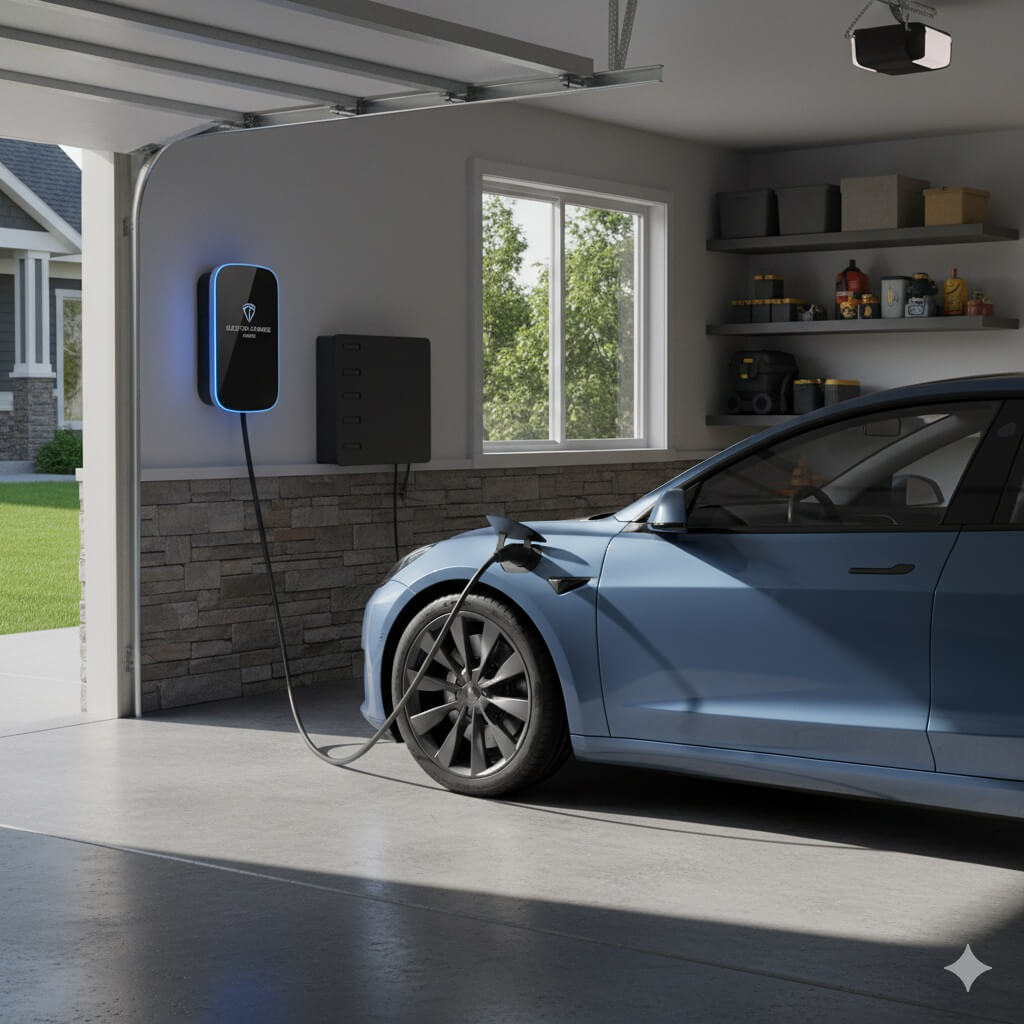
Volta Electric provides Level 1 and Level 2 EV charger installations and states that its installations include dedicated-circuit setup, wiring upgrades, testing, and handling applicable permitting and code requirements.
What About Tesla Chargers?
A Tesla vehicle does not require a fundamentally different approach to electrical safety. The charger and circuit still need to be installed according to the equipment manufacturer’s requirements and applicable electrical codes.
For an outdoor installation, environmental exposure should also be considered when selecting the mounting location and associated electrical equipment.
GFCI Protection for Coastal and Outdoor Areas

Ground-fault circuit interrupters, commonly called GFCIs, are an important part of electrical safety in locations where electricity may come into contact with moisture.
GFCIs are designed to interrupt power when they detect a ground-fault condition, helping reduce the risk of severe electric shock.
Outdoor receptacles should have appropriate GFCI protection and weather protection. The CPSC specifically recommends GFCI protection and weatherproof covers for outdoor outlets.
Homeowners should test GFCI devices according to the manufacturer’s instructions and have damaged or non-functioning devices inspected or replaced by a qualified electrician.
Smoke and Carbon Monoxide Detector Installation
Smoke and carbon monoxide alarms are another important part of residential safety.
The U.S. Fire Administration recommends smoke alarms inside and outside sleeping areas and on every level of a home. It also recommends interconnecting alarms so that when one alarm sounds, the others sound as well. Hardwired smoke alarms should be installed by qualified electricians.
Smoke alarms should also be tested regularly and replaced according to manufacturer guidance. USFA states that smoke alarms are generally replaced every 10 years, while backup batteries in hardwired units should be replaced as recommended.
Electrical work involving smoke and carbon monoxide alarms should be completed according to current California and local requirements, as well as the manufacturer’s installation instructions.
Emergency Electrical Problems in Coastal Homes
Coastal exposure can contribute to deterioration over time, but an electrical emergency should never be dismissed as “salt-air damage.”
Problems such as sparking outlets, exposed wiring, burning odors, smoke, or unexplained loss of power require prompt professional attention.
Volta Electric states that it provides 24/7 emergency electrical service in Santa Monica for issues including electrical sparks, exposed wires, sudden outages, and other urgent electrical problems.
For an emergency involving fire or an immediate threat to life or property, contact emergency services before attempting electrical repairs.
How Often Should a Coastal Home Have an Electrical Inspection?
There is no universal rule that every coastal home must receive an electrical inspection exactly once per year.
Inspection frequency should depend on factors such as:
- The age of the property
- Previous electrical modifications
- The condition of the panel and wiring
- Outdoor electrical exposure
- Major renovations or new electrical loads
- Recurring electrical problems
- Evidence of corrosion or water intrusion
Older properties and homes undergoing major electrical changes may benefit from a professional inspection before problems become more expensive to address.
A homeowner should also arrange an inspection when visible corrosion, repeated breaker trips, flickering lights, burning smells, damaged equipment, or other electrical warning signs appear.
Choosing an Electrician for a Coastal Property
Electrical work in Santa Monica should be performed by a properly licensed contractor and completed in accordance with applicable California and local requirements.
California’s Contractors State License Board identifies C-10 as the electrical contractor classification. The CSLB also provides an online license-checking service that homeowners can use when evaluating a contractor.
Volta Electric’s website identifies the company as a licensed, bonded, and insured electrical contractor and lists California license number 1100197.
When comparing electricians, homeowners should also look for clear communication about scope, permits where required, equipment selection, safety, and the expected repair or installation process.
Practical Coastal Electrical Maintenance Tips
Homeowners can reduce the likelihood of electrical problems by paying attention to the condition of exposed equipment.
Keep outdoor electrical equipment clean and free from debris, but do not use water or cleaning products on electrical equipment unless the manufacturer specifically permits the procedure.
Regularly look for:
- Rust or visible corrosion
- Cracked or damaged outdoor enclosures
- Loose covers
- Water intrusion
- Damaged conduit or fittings
- Discolored outlets or switches
- Flickering outdoor lighting
- Repeatedly tripping breakers
Do not open electrical panels or attempt to repair corroded wiring yourself. Electrical troubleshooting and repairs can expose homeowners to shock, arc-flash, fire, and other hazards.
When Should You Call a Santa Monica Electrician?

An evaluation by a professional Santa Monica electrician is appropriate when:
- An outdoor electrical enclosure shows significant corrosion
- An outlet or switch is hot, damaged, or sparking
- A circuit breaker repeatedly trips
- Outdoor lighting repeatedly fails
- Wiring appears damaged or deteriorated
- You are adding a high-demand load such as an EV charger
- You are replacing or upgrading an electrical panel
- You are renovating an older home
- You suspect aluminum branch-circuit wiring
- You need new outdoor receptacles, lighting, or electrical equipment
The earlier an electrical problem is evaluated, the easier it may be to address before it develops into a larger repair.
Why Santa Monica Homeowners Choose Volta Electric
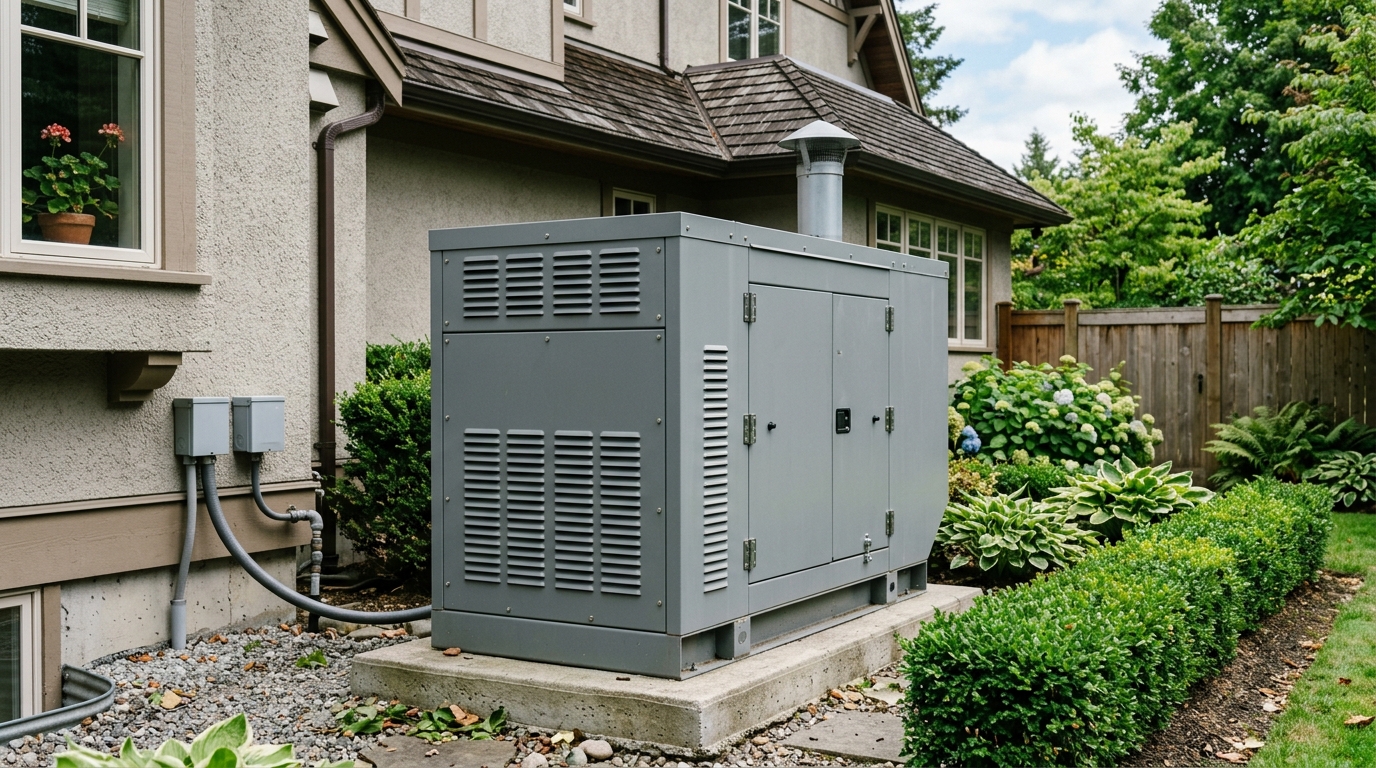
Volta Electric provides residential and commercial electrical services in Santa Monica, including electrical troubleshooting, panel upgrades, EV charger installation, lighting installation, GFCI repair and installation, wiring and rewiring, generator installation, and smoke and carbon monoxide detector services.
For coastal properties, the most important consideration is not simply installing more equipment. It is selecting appropriate equipment, using proper installation methods, addressing existing electrical deficiencies, and complying with the requirements that apply to the property.
Volta Electric states that its Santa Monica electricians handle permit requirements when necessary, perform code-compliant installations, and provide testing and inspection as part of its service process.
Whether you need an outdoor lighting upgrade, electrical troubleshooting, a panel assessment, GFCI work, rewiring, or an EV charger installation, a professional evaluation can help determine the safest and most appropriate solution.
Final Thoughts: Protecting Your Electrical System Near the Santa Monica Coast
Coastal living comes with unique environmental conditions, and salt-laden air can contribute to corrosion of exposed electrical equipment. But protecting a home’s electrical system is about more than simply replacing metal components with supposedly “corrosion-proof” products.
The right strategy starts with an evaluation of the property’s location, existing equipment, electrical loads, and exposure conditions.
For homeowners in Santa Monica, this is particularly important because the city’s electrical code includes specific requirements for certain metallic outdoor enclosures in marine environments.
Appropriate equipment, proper outdoor protection, functioning GFCI protection, well-maintained wiring, and professional electrical inspections can all contribute to a safer and more reliable home.
If you are seeing corrosion, recurring electrical faults, damaged outdoor equipment, or planning an electrical upgrade, Volta Electric can evaluate the system and help determine the appropriate next step.